
 Save
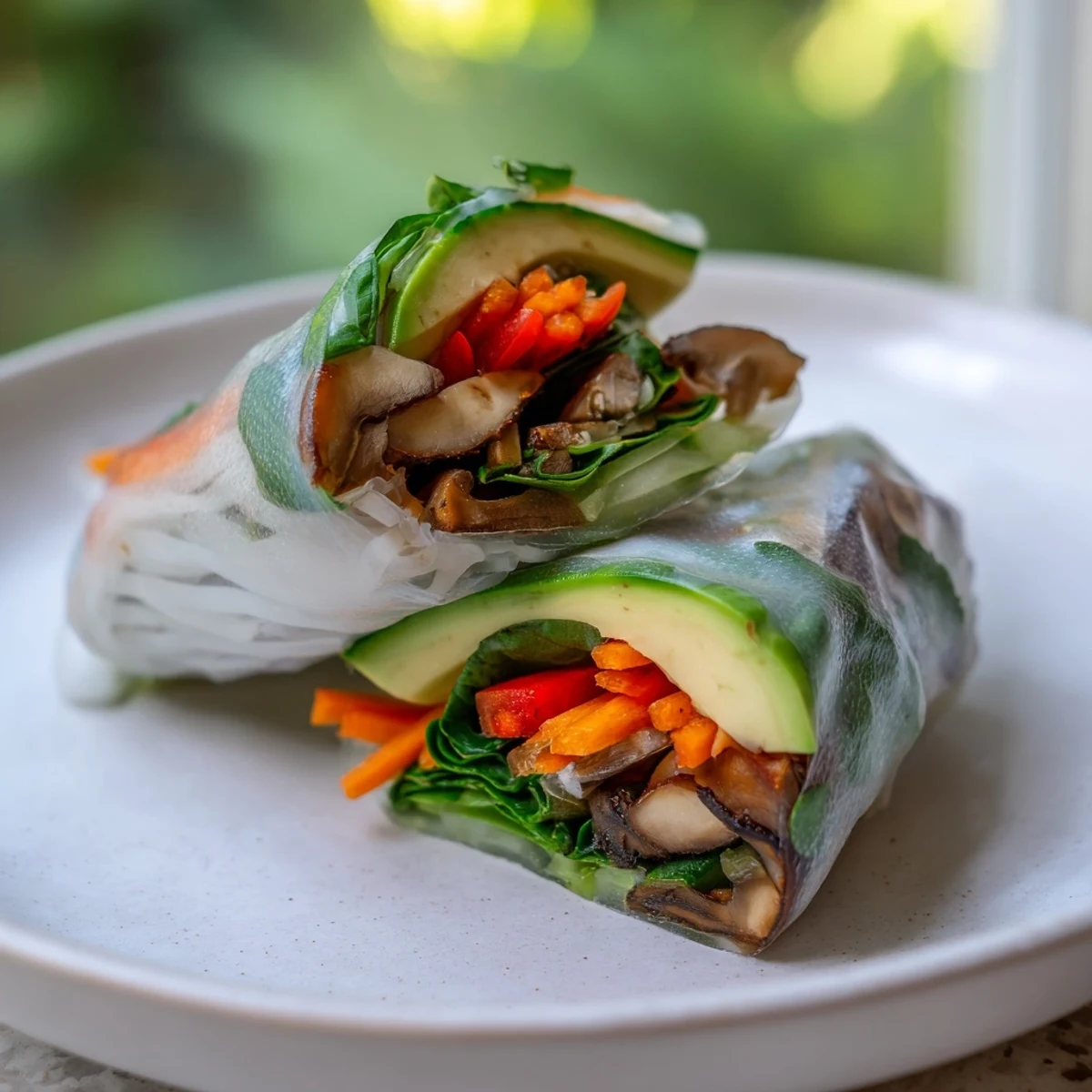
Save Create these vibrant Asian-inspired rolls featuring tender rice paper wrapped around creamy avocado slices and savory sautéed shiitake mushrooms. The crisp julienned carrots, refreshing cucumber, and colorful bell peppers add satisfying crunch, while fresh herbs like cilantro and mint bring brightness to every bite.
Master the simple technique of softening rice paper and rolling tight, neat bundles. Pair with an easy whisked dipping sauce balancing salty soy, tangy rice vinegar, nutty sesame oil, and subtle sweetness from maple syrup. Perfect for light appetizers, healthy snacks, or meal prep lunches.
The first time I attempted spring rolls, my kitchen counter looked like a vegetable explosion gone wrong. I had julienned everything beautifully, but my rice paper technique left me with tear-stained wrappers and a determination to figure this out. Three attempts later, with slightly dampened fingertips and a newfound respect for patience, I finally rolled something that looked edible. Now these fresh rolls have become my go-to when I want something vibrant and satisfying without turning on the oven for hours.
Last summer, I made these for a backyard gathering where my friend Sarah announced she was trying plant-based eating. I was nervous about whether vegetables wrapped in paper could feel like a real meal, but watching her face light up with that first bite changed everything. She asked for the recipe before she even finished her first roll, and now she makes them weekly for her lunch prep. Theres something magical about food that makes everyone feel included and satisfied.
Ingredients
- 1 ripe avocado: The creaminess here is non-negotiable, and I learned the hard way that slightly under-ripe avocados just do not work in fresh rolls
- 120 g fresh shiitake mushrooms: Sautéing them first concentrates their earthy flavor and prevents the rolls from becoming watery
- 1 medium carrot and 1 small cucumber: Julienned vegetables create this satisfying crunch that contrasts beautifully with the soft wrappers
- 1 small red bell pepper: Adds sweetness and a pop of color that makes these rolls look almost too pretty to eat
- 1 cup fresh baby spinach: I started using spinach instead of lettuce because it lays flat and creates a sturdy base for piling in the other ingredients
- 8 sheets rice paper: Work with one at a time, and do not let them soak too long or they become impossibly fragile
- Fresh cilantro and mint: The herbs make these taste like spring itself, so do not skimp even if you think you do not like mint
- Dipping sauce ingredients: Whisking the sauce while the mushrooms cool gives the flavors time to meld together perfectly
Instructions
- Sauté the mushrooms first:
- Heat a non-stick skillet over medium heat and add the sliced shiitakes, stirring occasionally for 5-6 minutes until tender and slightly golden
- Set up your station:
- Arrange all vegetables and herbs within easy reach, fill a shallow dish with warm water, and clear a large workspace for rolling
- Soften the rice paper:
- Dip one sheet in warm water for 10-15 seconds until pliable but still slightly firm, then lay it flat on a clean towel
- Layer the filling:
- Place spinach in the center, then add avocado, mushrooms, carrot, cucumber, bell pepper, scallions, and a sprinkle of herbs
- Roll it up tight:
- Fold the bottom over the filling, fold in both sides, then roll forward tightly while keeping the filling tucked inside
- Make the sauce:
- Whisk together the soy sauce, rice vinegar, sesame oil, maple syrup, ginger, garlic, and water until smooth
 Save
Save These rolls became my ritual during those long winter months when I was craving something fresh but did not want to face a salad again. Theres something almost meditative about the process of rolling each one, and the first bite always reminds me why patience in the kitchen pays off. Now whenever friends come over, they immediately ask if these are on the menu.
Making These Your Own
The beauty of fresh spring rolls lies in their adaptability to whatever your crisper drawer holds. I have added thin strips of red cabbage for extra crunch, or swapped in fresh basil when mint felt too wintery. Sometimes I add thin ribbons of cooked vermicelli noodles to make them more filling, especially when serving as a main course.
Mastering the Roll
The first few rolls might look a bit rustic, and that is completely part of the process. I found that keeping my hands slightly damp while working prevents the rice paper from sticking to my fingers. Rolling on a damp towel rather than a dry board was the game-changing tip that transformed my technique from frustrating to effortless.
Serving Suggestions
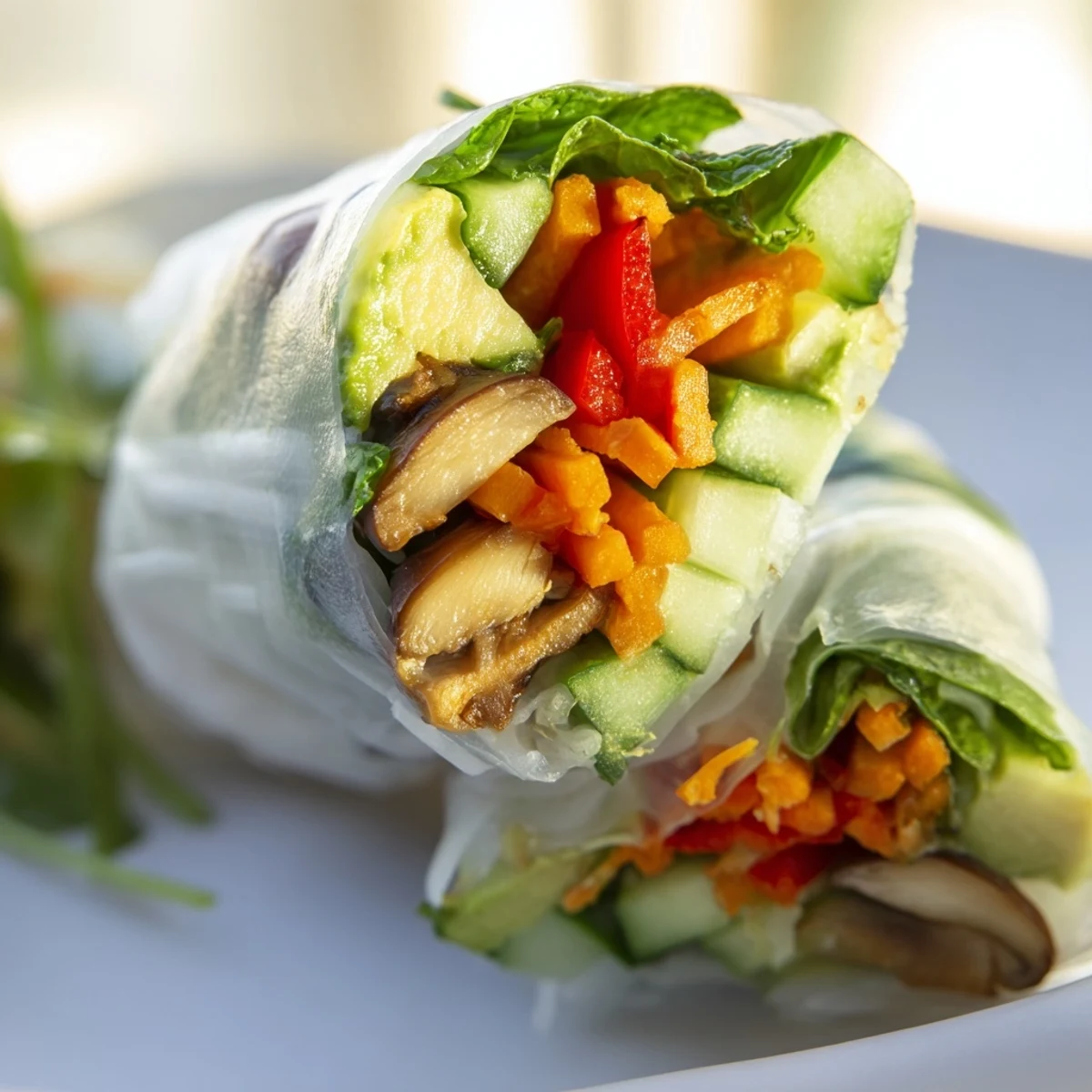
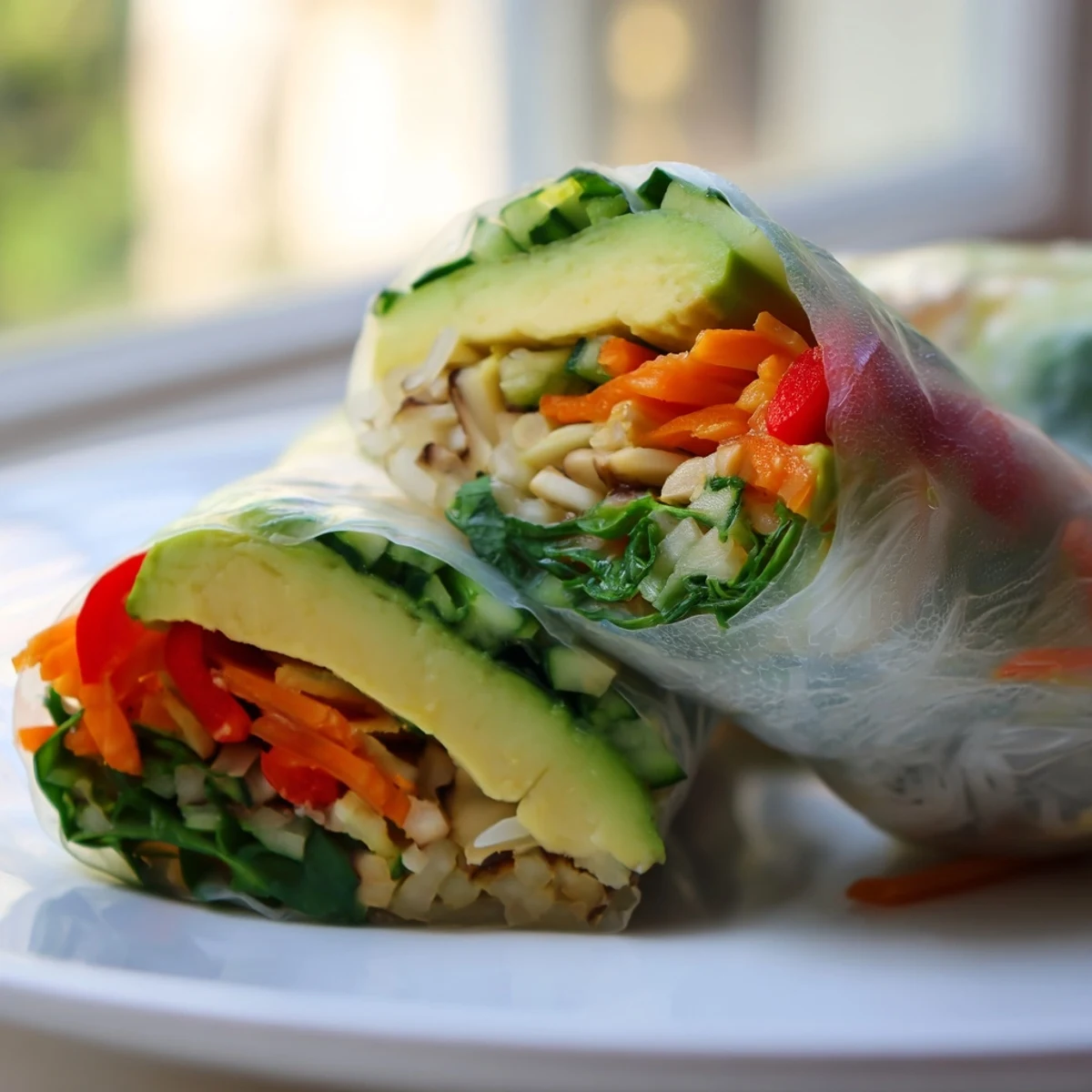
Cut these rolls in half on a diagonal to reveal the beautiful rainbow of vegetables inside, and arrange them on a platter with the sauce in a small bowl. They pair wonderfully with chilled white wine or jasmine tea. I have also served them alongside a light coconut soup for a more substantial meal.
- Prepare all ingredients before starting, because rice paper waits for no one
- These are best eaten immediately but can be wrapped individually and refrigerated for up to 4 hours
- Leftover sauce keeps beautifully in the fridge and makes a great salad dressing the next day
 Save
Save These fresh spring rolls remind me that sometimes the most satisfying meals are the ones that let the ingredients shine without much manipulation. I hope they bring a little brightness to your table.
Recipe FAQs
- → How do I prevent rice paper from tearing?
-
Soak rice paper sheets in warm water for just 10-15 seconds until pliable but not overly soft. Lay them flat on a clean, damp kitchen towel while filling. Handle gently and roll tightly but without excessive pressure to avoid ripping.
- → Can I make these spring rolls ahead of time?
-
Yes, prepare up to 4 hours in advance. Wrap each roll individually in plastic wrap or place them in a single layer with parchment paper between layers to prevent sticking. Store in the refrigerator and serve chilled.
- → What vegetables work best in spring rolls?
-
Choose crisp, watery vegetables that hold their texture well. Carrots, cucumber, bell peppers, cabbage, jicama, and snap peas are excellent options. Leafy greens like lettuce, spinach, or fresh herbs add delicate layers without overwhelming the roll.
- → How do I store leftover spring rolls?
-
Wrap each roll tightly in plastic wrap and store in an airtight container in the refrigerator for up to 2 days. The rice paper may become slightly soft but remains edible. For best texture, add the dipping sauce just before serving rather than storing it on the rolls.
- → Can I use cooked mushrooms instead of raw?
-
Cooking shiitake mushrooms enhances their umami flavor and improves texture. Sauté them for 5-6 minutes until tender and lightly browned, then cool completely before rolling. This prevents excess moisture from making the rice paper soggy.
- → Is there a gluten-free option for the dipping sauce?
-
Replace regular soy sauce with tamari or coconut aminos for a gluten-free alternative. All other ingredients—rice vinegar, sesame oil, maple syrup, ginger, and garlic—are naturally gluten-free, making the entire dish suitable for those avoiding gluten.