
 Save
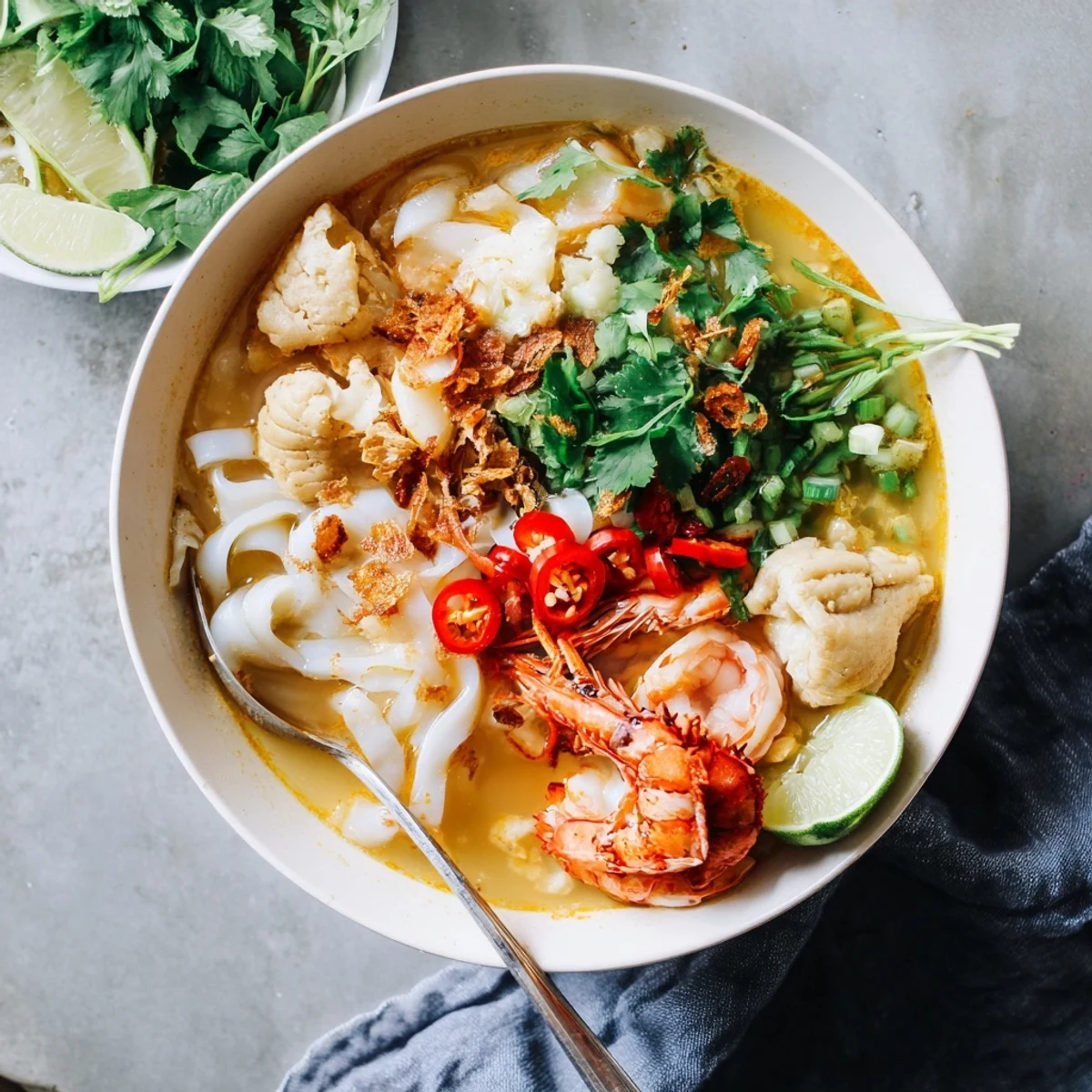
Save Banh Canh Cua brings together thick chewy tapioca noodles with sweet crab meat, plump shrimp, and sliced fish cakes in a deeply savory broth simmered with pork bones, aromatic onions, and garlic. The finished bowl gets topped with crunchy fried shallots, fresh cilantro, spring onions, and zesty lime wedges for bright contrast.
This Vietnamese classic balances the natural sweetness of seafood with the depth of a long-simmered broth, creating a satisfying meal that's perfect for any time of year.
The first time I had banh canh cua was at a tiny sidewalk stall in Saigon where the steam clouded my glasses and I couldn't even see what I was eating. But those thick, chewy noodles and that impossibly rich crab broth made me understand why people line up for this soup. I've spent years trying to recreate that experience in my own kitchen, watching the broth transform from clear to golden, and learning that patience is the secret ingredient you can't buy at the market.
Last winter when my parents visited, my dad watched me prepare the crab meat with such care, picking through every shell to make sure none remained. He told me about his childhood in Vietnam, where crab soup was reserved for special occasions because fresh crab was expensive and precious. Now we make it together whenever he visits, and Ive learned that the best soups are the ones made with someone sitting at your kitchen table, keeping you company and stealing tastes when they think you aren't looking.
Ingredients
- Chicken stock: Using homemade stock makes a noticeable difference, but a good quality store bought one works perfectly fine
- Pork bones: These add body and richness to the broth that you just cant get from stock alone
- Yellow onion: Halved and added to the simmering broth, it becomes sweet and mellow
- Fish sauce: This is the salt of Vietnamese cooking, adding umami that regular salt cant replicate
- Fresh crab meat: The star of the show, though imitation crab works in a pinch
- Shrimp: They cook quickly so add them last to keep them tender and sweet
- Banh canh noodles: These thick tapioca noodles are what make this soup so uniquely satisfying and chewy
- Fried shallots: Don't skip these, they add an essential crispy savory element
- Cilantro and spring onions: Fresh herbs cut through the richness and brighten every bowl
Instructions
- Build the broth foundation:
- Combine the chicken stock, blanched pork bones, halved onion, smashed garlic, salt, and sugar in your largest pot. Let it come to a rolling boil before lowering the heat to a gentle simmer.
- Simmer and skim:
- Let the broth simmer uncovered for about 30 minutes, skimming off any foam or impurities that rise to the surface. This keeps the broth clear and clean tasting.
- Season and strain:
- Stir in the fish sauce, then remove and discard the pork bones and onion halves. They've done their job and the broth is ready for the seafood.
- Cook the shrimp:
- Add the peeled shrimp to the simmering broth and cook for just 2 or 3 minutes until they turn pink and curl slightly. Remove them immediately so they don't become tough and rubbery.
- Add crab and fish cakes:
- Gently add the crab meat and sliced fish cakes to the broth, letting them simmer for 5 to 7 minutes. The crab will sweeten the broth as it heats through.
- Prepare the noodles:
- Cook the banh canh noodles according to the package directions, then drain and give them a quick rinse to keep them from clumping together.
- Assemble the bowls:
- Divide the noodles among four serving bowls, then arrange the shrimp, crab meat, and fish cakes on top so each bowl gets an equal share.
- Ladle and garnish:
- Pour the hot, fragrant broth over the noodles and seafood, then top with spring onions, fried shallots, cilantro, and fresh black pepper.
 Save
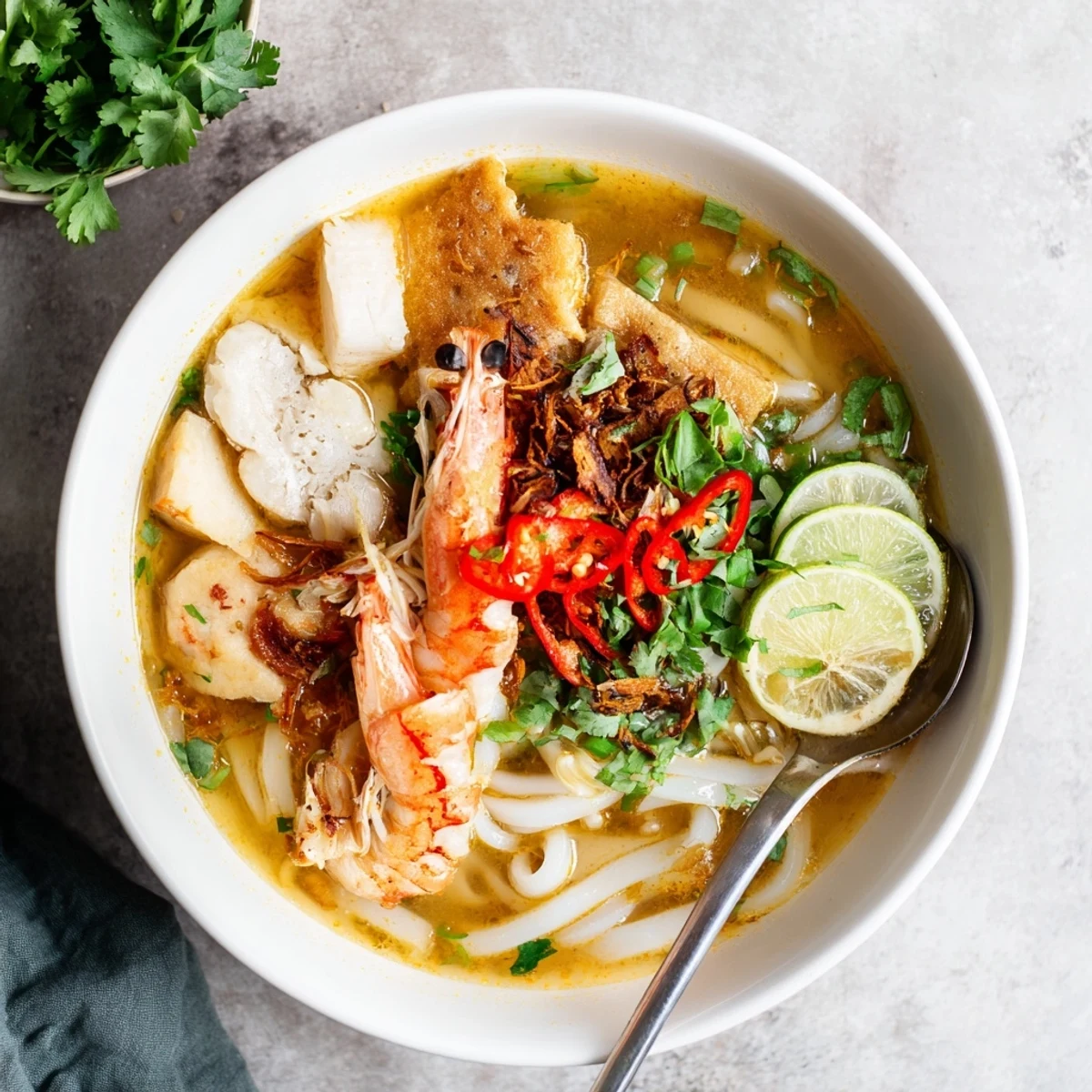
Save There's something magical about setting a steaming bowl of banh canh cua on the table and watching everyone lean in, the steam rising up carrying that incredible crab aroma. It's the kind of meal that makes people slow down, take their time, and really savor each spoonful.
Making It Your Own
Some cooks like to add a splash of annatto oil to give the broth that beautiful reddish gold color you see in restaurants. A few slices of quail egg or a sprinkling of ground pork can also make this soup even more substantial.
Noodle Wisdom
Fresh banh canh noodles have the best texture, but frozen ones work remarkably well if you can't find them fresh. Just be sure not to overcook them or you'll lose that wonderful chewy bounce that makes these noodles so special.
Perfect Pairings
This soup is a complete meal on its own, but I love serving it with some crisp pickled vegetables on the side to cut through the richness. A simple green salad with a sharp vinaigrette also balances the meal beautifully.
- Keep extra lime wedges at the table so everyone can adjust the acidity to their taste
- Have some chili sauce on hand for those who like extra heat in their bowl
- Fresh herbs should be added right before serving so they stay vibrant and aromatic
 Save
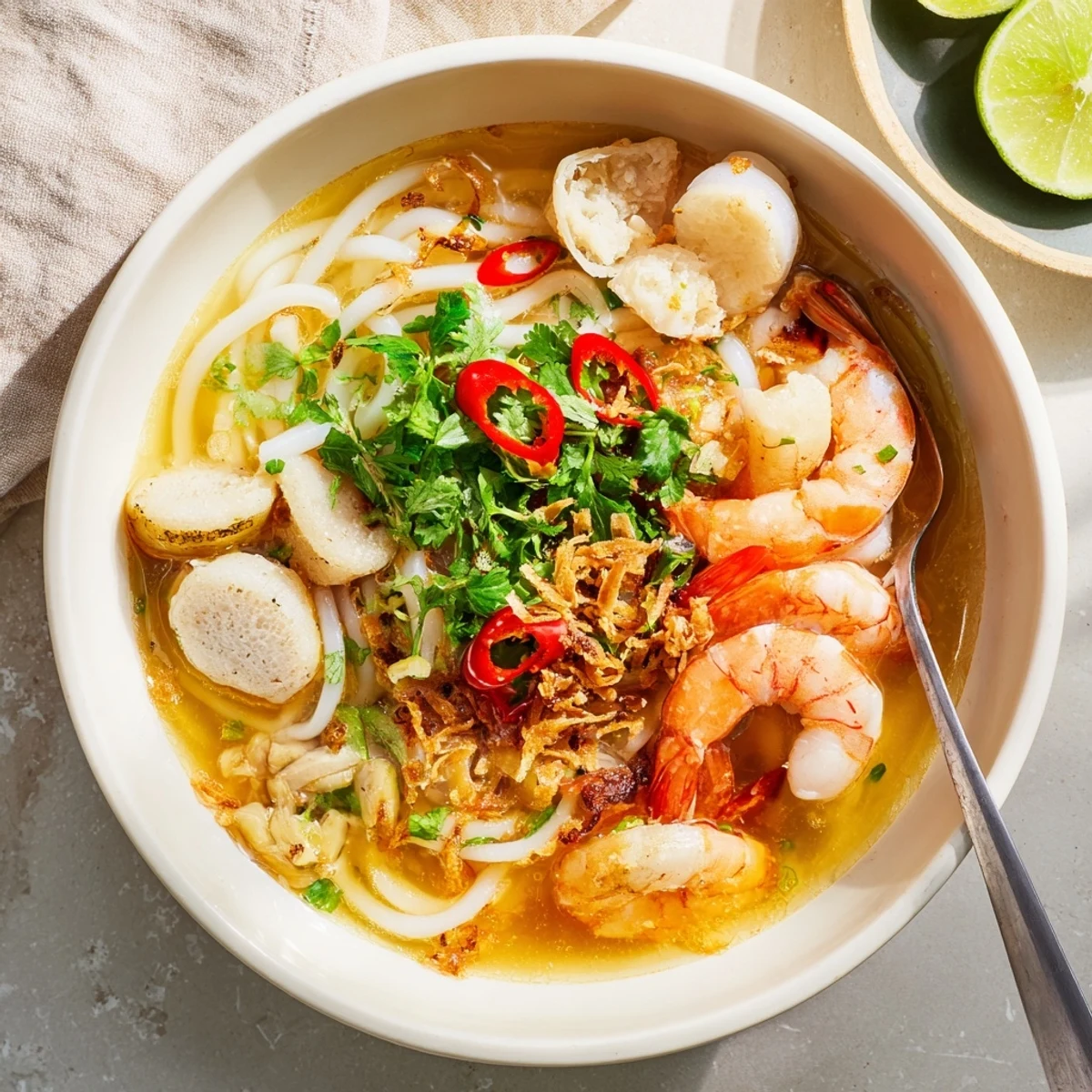
Save There's nothing quite like lifting a bowl of hot banh canh cua to your lips and letting those thick noodles slide into your spoon, carrying with them all that rich, savory broth and sweet pieces of crab. It's comfort in a bowl, and it's yours now.
Recipe FAQs
- → What makes Banh Canh Cua different from other Vietnamese noodle soups?
-
Banh Canh Cua features thick, chewy tapioca noodles that set it apart from the thin rice noodles in pho or vermicelli. The broth is naturally sweet from crab and pork bones rather than heavily spiced, creating a lighter yet deeply satisfying bowl focused on fresh seafood flavors.
- → Can I make this with frozen crab?
-
Absolutely. Frozen crab meat works well in this dish—just thaw it completely and add it during the last 5–7 minutes of simmering to heat through without overcooking. The broth's seasonings will enhance any slight loss in fresh sweetness.
- → How do I prevent the tapioca noodles from sticking?
-
After cooking, drain the noodles and rinse them briefly under cool water. Toss with a small amount of oil if not serving immediately. Keep them separate from the hot broth until you're ready to assemble individual bowls.
- → What can I substitute for fish cakes?
-
You can use thin slices of firm white fish fillets, extra shrimp, or simply omit them. The dish remains delicious with just crab and shrimp as the protein components. Some variations also include quail eggs or pork slices.
- → Is this dish spicy?
-
Traditional Banh Canh Cua is not inherently spicy. Fresh chili slices are served on the side, allowing each person to adjust the heat level to their preference. The focus is on the natural sweetness of crab and the savory depth of the broth.