
 Save
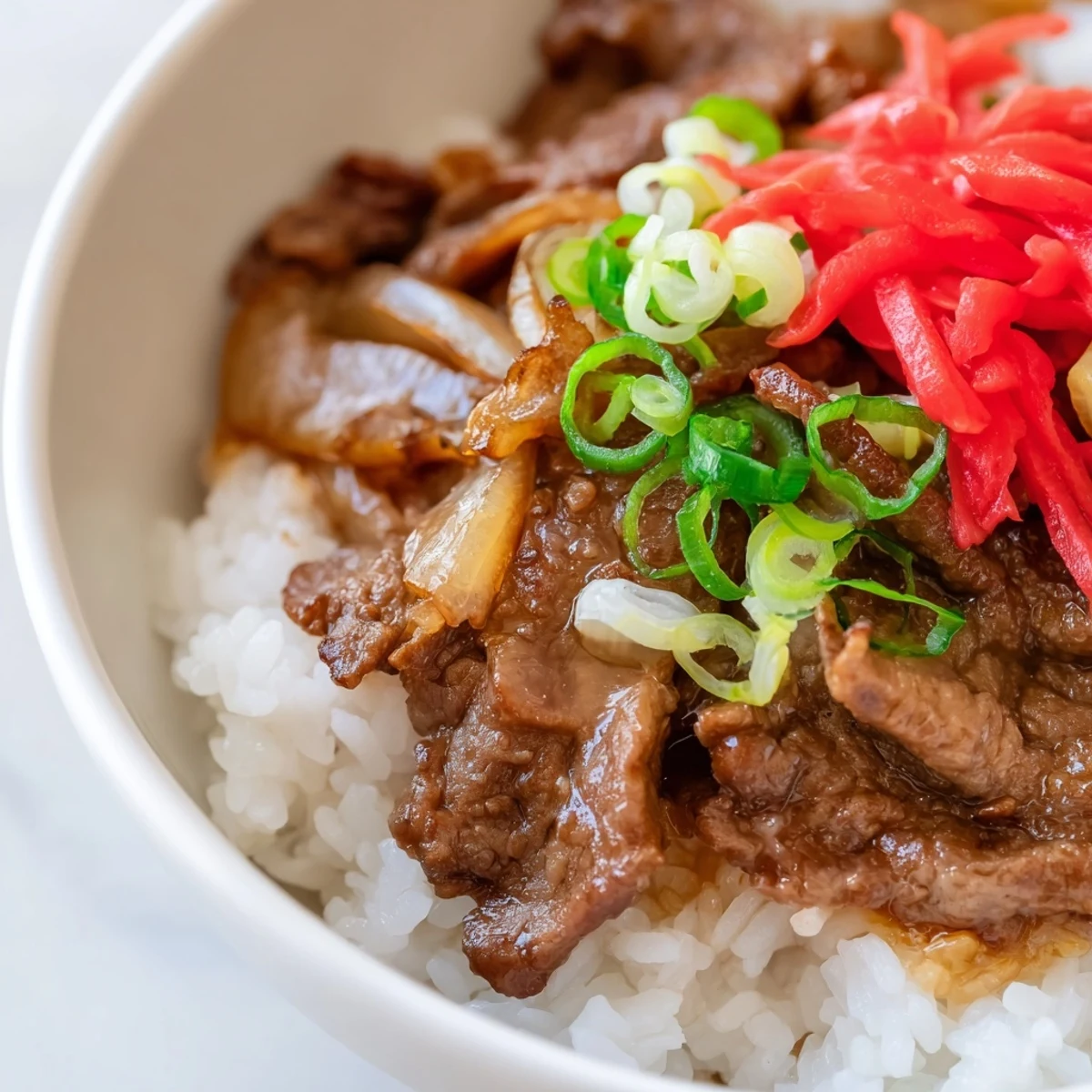
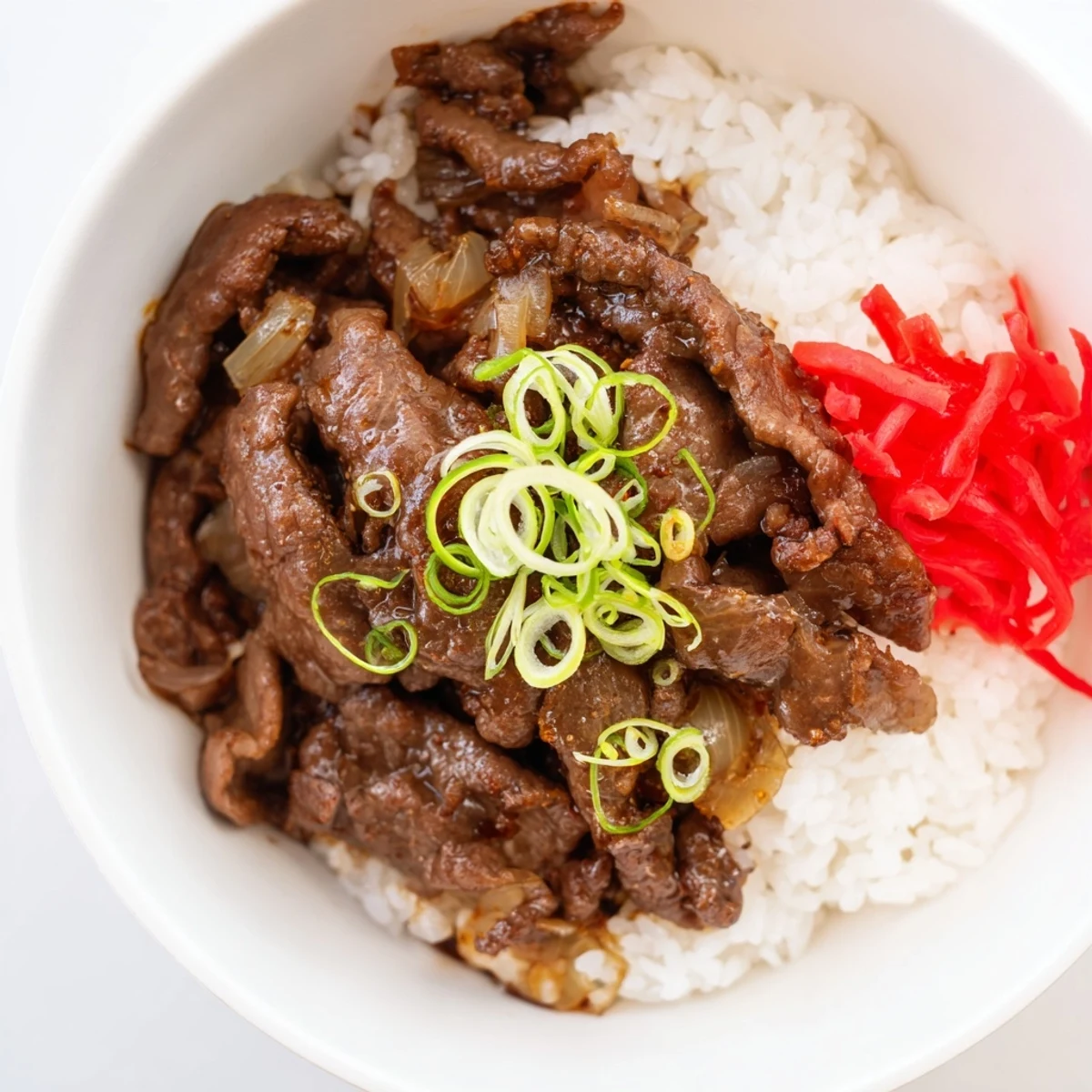
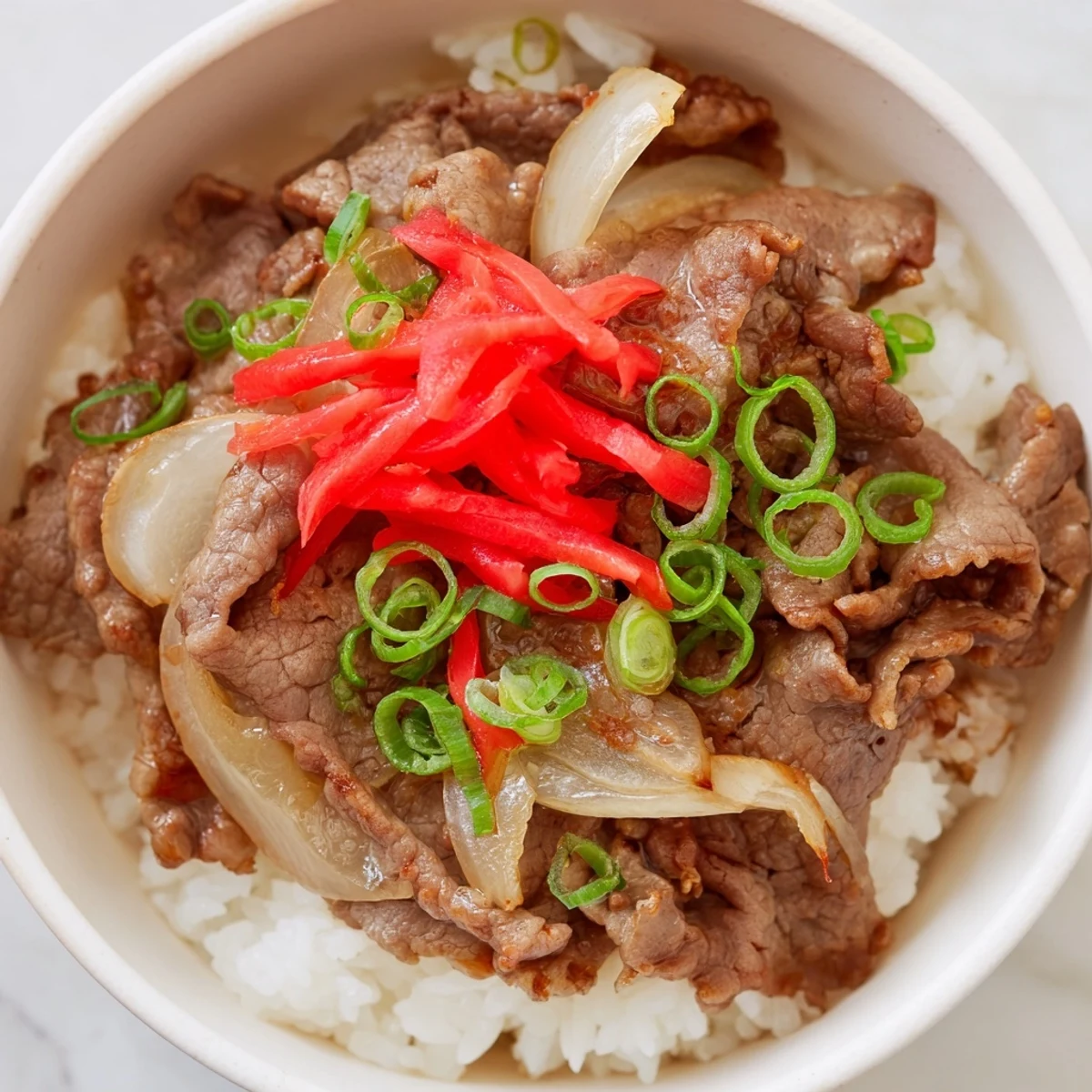
Save This dish features thinly sliced beef cooked with onions in a savory blend of dashi, soy sauce, mirin, and sake. The tender beef mixture is served over steamed short-grain rice, garnished with spring onions and pickled ginger for added depth. Quick to prepare, this comforting bowl balances rich umami flavors with a perfect texture contrast, making it a go-to for a delicious, warm meal.
The first time I made gyudon at home, I wasn't trying to recreate some fancy restaurant dish—I just wanted something warm and filling on a Tuesday night when I had forty minutes and a craving for comfort. My mom had mentioned once that the secret was getting the beef tender enough to practically melt into the sauce, and that stuck with me. Now whenever I make this beef bowl, I'm transported back to standing at my stove, the kitchen filling with that deep savory aroma of soy and mirin, and realizing I'd discovered something I'd actually make again and again.
I made this for my partner on a rainy Sunday and watched their face light up when they tasted it. They asked where I'd learned to cook Japanese food, and I had to laugh because honestly, I'd just followed instinct and a little research. That moment—seeing someone genuinely satisfied by something you created—made me understand why this dish has survived in kitchens for so long.
Ingredients
- Thinly sliced beef (500 g): Use sirloin or ribeye cut thin enough that it cooks in seconds—your knife skills matter here, so take your time or ask the butcher to slice it for you.
- Short-grain white rice (2 cups): This rice absorbs the sauce beautifully and stays tender without turning to mush, making it essential to the whole experience.
- Dashi stock (1 cup): This Japanese soup base is what gives the sauce its soulful depth; beef broth works in a pinch but dashi is worth finding.
- Soy sauce (1/4 cup): The backbone of your sauce—taste as you go because saltiness varies wildly between brands.
- Mirin (2 tbsp): This sweet cooking sake adds silkiness and gloss that you can't fake with sugar alone.
- Sake (2 tbsp): It mellows the saltiness and adds a subtle complexity that makes people wonder what your secret ingredient is.
- Sugar (1 tbsp): Just enough to balance the salt and create that slightly sweet-savory thing that makes you want another spoonful.
- Large onion, thinly sliced: Onions cook down into sweet ribbons that cradle the beef and soak up all that sauce.
- Spring onions, finely sliced: A bright fresh finish that cuts through the richness and wakes up your palate.
- Pickled ginger (1 tbsp): Optional but transformative—it adds a sharp, clean note that makes the whole bowl sing.
- Vegetable oil (1 tbsp): High heat oil for searing the onions without burning them.
Instructions
- Prepare your rice:
- Rinse the rice under cold running water, swirling it with your fingers until the water runs clear—this removes the starch and gives you fluffy grains instead of a gummy mass. Combine rice and water in a rice cooker or saucepan and cook according to package instructions; this usually takes about 15 minutes.
- Get your sauce ready:
- While rice cooks, whisk together dashi stock, soy sauce, mirin, sake, and sugar in a small bowl, stirring until the sugar dissolves completely. Set it aside so everything is ready when you need it.
- Sauté the onions:
- Heat vegetable oil in a large skillet over medium heat until shimmering. Add sliced onions and cook for 2–3 minutes, stirring occasionally, until they soften and become translucent at the edges.
- Build the sauce:
- Pour the prepared sauce into the pan with the onions and bring it to a gentle simmer. You'll see it start to bubble softly at the edges—let it settle for a minute so the flavors meld.
- Cook the beef:
- Spread the sliced beef evenly across the simmering sauce in a single layer. Simmer gently for 5–7 minutes, watching as the beef changes color and becomes tender; skim off any foam or excess fat that rises to the surface.
- Assemble your bowls:
- Fluff the cooked rice with a fork and divide it among serving bowls. Spoon the beef and onion mixture with plenty of sauce over each portion of rice.
- Finish and serve:
- Top each bowl with sliced spring onions and pickled ginger if you're using it. Serve immediately while everything is still warm and steaming.
 Save
Save I've learned that this dish is about restraint and letting simple ingredients do their job. The first time I tried to fancy it up with extra vegetables and complicated garnishes, it lost its identity. Now I make it exactly as it should be, and somehow that's what makes people ask for the recipe.
Finding Your Dashi
If you've never bought dashi before, head to an Asian grocery store where you'll find instant dashi powder or packets—it costs almost nothing and keeps in your pantry forever. Beef or vegetable broth will work if you're truly stuck, but dashi adds a umami depth that transforms this from a simple sauced beef bowl into something that feels genuinely Japanese. Once you have it on hand, you'll find yourself using it for soups and other dishes, so it's worth the trip.
The Rice Matters More Than You Think
Short-grain white rice is non-negotiable here—it's starchier than long-grain and absorbs the sauce like a sponge, turning each spoonful into something cohesive and delicious. I tried this with long-grain rice once thinking it wouldn't matter much, and the whole thing fell apart on the plate because the rice wouldn't hold the sauce. Switch back to short-grain and suddenly you understand why this dish has been perfected over generations.
Customizing Without Losing the Soul
This bowl welcomes gentle additions if you want to make it your own. A soft-poached egg yolk adds creaminess that mingles with the sauce, or shichimi togarashi (Japanese seven spice) gives you heat and complexity if you're in the mood for something with more kick. Some nights I add a handful of fresh spinach right at the end, letting it wilt into the warm sauce, and it feels like I've made something entirely new.
- A raw egg yolk stirred into the warm rice creates a silky, luxurious sauce that's pure comfort.
- Shichimi togarashi brings warmth and aromatic spice without overwhelming the delicate beef and onion balance.
- Keep the additions minimal so the original flavors still shine through and the bowl stays quick to prepare.
 Save
Save This beef bowl has become my go-to for when I want something that feels restaurant-quality but takes less time than a coffee run. Every time I make it, I'm reminded that the best meals don't need to be complicated.
Recipe FAQs
- → What cut of beef works best for this dish?
-
Thinly sliced beef sirloin or ribeye provides tenderness and cooks quickly, absorbing the savory sauce well.
- → Can I substitute the dashi stock?
-
Yes, beef or vegetable broth can be used as alternatives to dashi without compromising the flavor.
- → How do I achieve tender beef in this preparation?
-
Simmer the beef gently in the sauce for 5-7 minutes to keep it tender and flavorful without overcooking.
- → What rice type is recommended?
-
Short-grain white rice is best for its sticky texture, complementing the saucy beef topping well.
- → Are there suggestions to enhance flavor?
-
Adding a soft-poached egg on top or a sprinkle of shichimi togarashi can elevate the dish’s richness and spice.
- → Is there a gluten-free option?
-
Replacing soy sauce with tamari allows for a gluten-free version without losing umami depth.