
 Save
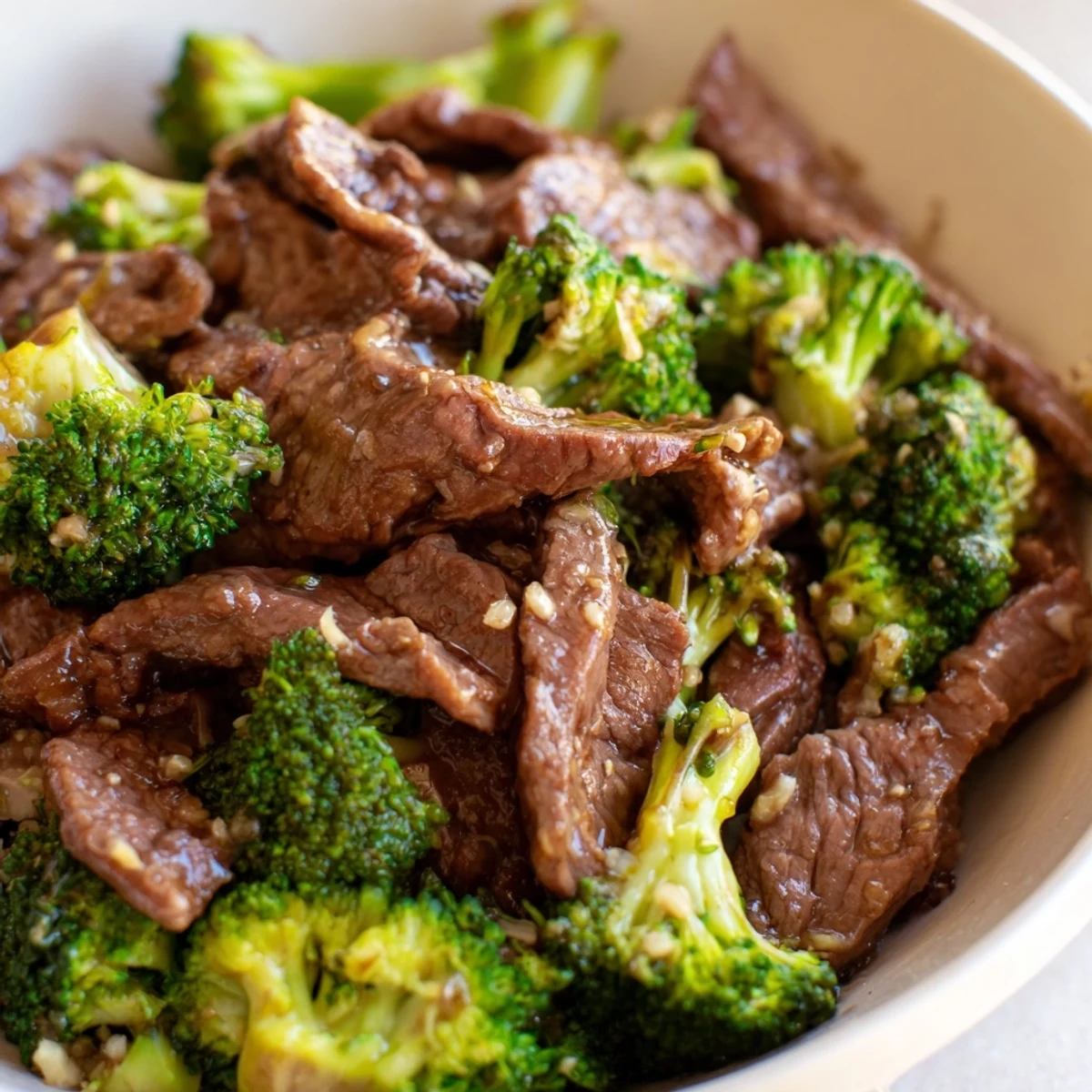
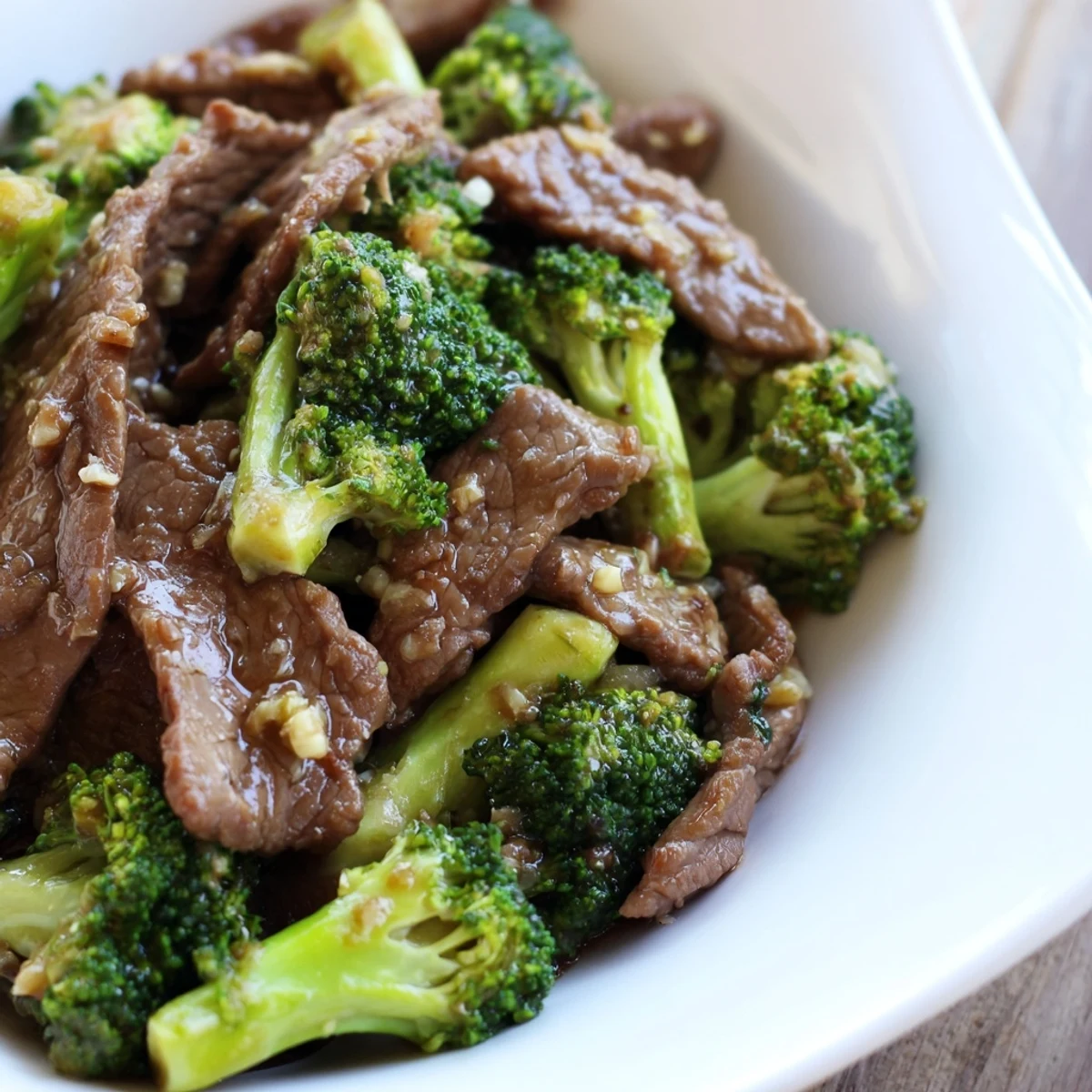
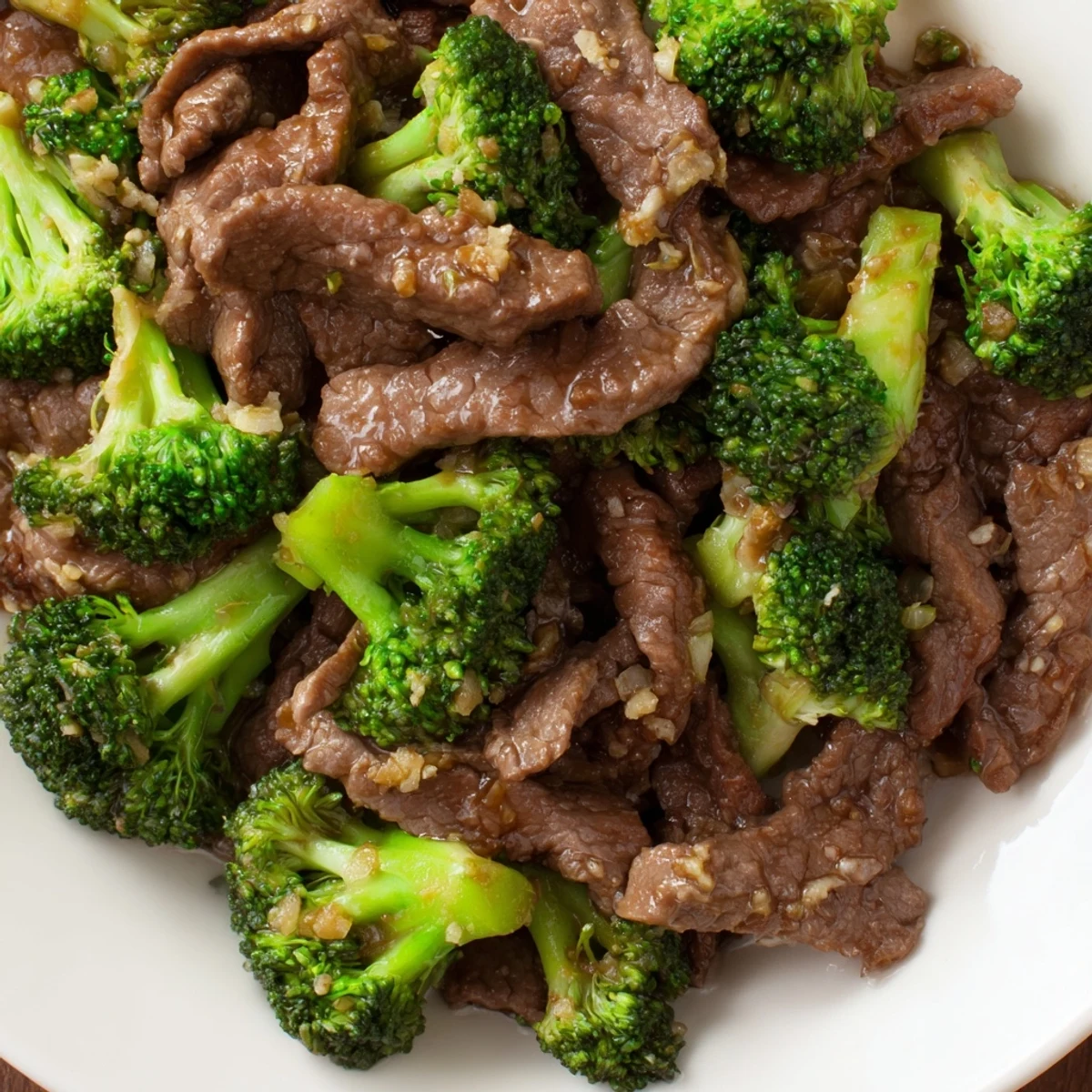
Save This dish combines thinly sliced beef and vibrant broccoli florets in a rich oyster sauce. Marinated beef is briefly cooked to retain tenderness, then tossed with garlic, ginger, and crisp broccoli. The oyster sauce blend adds a savory depth, balancing sweet and umami notes. Quick stir fry method ensures bright flavors and textures for an easy weeknight meal.
One Tuesday night, my neighbor dropped by with a craving for something fast but impressive, and I realized I had everything scattered in my fridge—beef, broccoli, oyster sauce. Twenty minutes later, we were eating over the counter, and she asked for the recipe before even finishing her bite. That's when I understood this wasn't just stir fry; it was the kind of dish that makes people feel cared for without any fuss.
I made this for my parents on a random Sunday, and my dad, who usually just eats whatever's in front of him, actually asked about the sauce. My mom wanted to know if I'd learned this from someone or figured it out myself. It felt good to say I'd just paid attention, tasted as I went, and trusted that simple ingredients could be enough.
Ingredients
- Flank steak: Sliced thin against the grain, it stays tender even with quick, hot cooking—this one detail is everything.
- Soy sauce: It goes in twice, once for the beef marinade and again in the sauce, building layers of umami without overdoing it.
- Cornstarch: A light coat on the beef and a bit in the sauce keeps things silky and helps it all come together beautifully.
- Sesame oil: Just a teaspoon adds a smell that tells you you're doing this right.
- Broccoli florets: Fresh, never frozen if you can help it—they'll stay bright and crisp instead of watery.
- Oyster sauce: The backbone of everything; use a good one and you'll taste the difference immediately.
- Shaoxing wine: If you find it, use it; if not, dry sherry works, but it won't be quite the same subtle warmth.
- Garlic and ginger: Minced fresh, not powdered—the aroma tells you when they're ready.
- Vegetable oil: High heat demands a neutral oil that won't burn; this is no place for olive oil.
Instructions
- Marinate the beef:
- Toss your thin slices with soy sauce, cornstarch, and sesame oil, then let them sit while you prep everything else. This 10-minute rest does quiet work, letting the seasonings seep in so the beef tastes seasoned throughout, not just on the surface.
- Whisk the sauce:
- Combine oyster sauce, soy sauce, Shaoxing wine, sugar, cornstarch, and water in a small bowl. The cornstarch will be grainy right now—that's fine; it'll smooth out once it hits the heat.
- First pass on the beef:
- Heat oil until it shimmers, then lay the beef in a single layer and don't touch it for a minute or so. You want a quick sear that keeps the inside soft; crowding the pan and stirring too much makes it steam instead.
- Build flavor with garlic and ginger:
- Fresh aromatics in hot oil release their fragrance immediately—that's your signal that they're at their best. Thirty seconds is enough; any longer and they start to turn bitter.
- Broccoli gets its moment:
- A splash of water and a couple minutes of heat turns raw florets bright green and just tender. Watch for the color shift—when it gets vibrant, you're almost there.
- Bring it all together:
- Return the beef to the wok, pour the sauce over everything, and toss constantly for a minute or two until it thickens and clings to every piece. You'll see it happen: the sauce goes from loose to glossy and coating.
- Serve right away:
- Get this onto plates immediately; if it sits, the broccoli keeps cooking and loses its brightness.
 Save
Save My daughter once watched me make this and asked why I kept smelling the food as I cooked. I told her it was how I knew things were ready, and since then, whenever she's in the kitchen, she leans in and sniffs too. Now that's what I remember most—not the perfect dish, but her learning to trust her own senses.
Why the Wok Matters
A proper wok or large skillet changes everything because the high sides let you toss without losing anything to the stovetop, and the curved bottom concentrates heat exactly where you need it. If you don't have a wok, a wide skillet works, but the cooking happens a bit gentler and takes a touch longer. Either way, the size lets you move fast without feeling crowded.
Timing and Temperature
Medium-high heat is the sweet spot—hot enough that oil shimmers and food browns quickly, but not so fierce that everything burns while you're still moving. If your stovetop runs hot, dial it back slightly; if it runs cool, you might need to go higher. You'll know in the first minute from the sound and smell whether you've got it right.
Make It Your Own
Once you've made this once and felt how it flows, swap things around without hesitation. Chicken cooks about the same speed, tofu needs a gentle hand but wants the same marinade, and mushrooms or carrots slip in wherever they fit. The structure stays the same, so you can trust the timing even when the cast of characters changes.
- Bell peppers add brightness if you like them a touch crunchy, or cook them longer if you prefer them soft.
- A handful of cashews or peanuts scattered on top right before serving brings a texture that makes people notice.
- If you find fresh Shaoxing wine, buy it and keep it—it becomes your secret weapon for any stir fry you make.
 Save
Save This dish taught me that good food doesn't need to be complicated or take hours. Sometimes the best meals are the ones that fit into a regular Tuesday and still make people smile.
Recipe FAQs
- → How do you keep the beef tender?
-
Thinly slicing against the grain and marinating with soy sauce, cornstarch, and sesame oil helps maintain tenderness and prevent toughness during cooking.
- → What is the role of Shaoxing wine?
-
Shaoxing wine adds an aromatic, slightly sweet depth that enhances the overall flavor profile of the sauce.
- → Can I substitute the broccoli with other vegetables?
-
Yes, vegetables like snap peas, bell peppers, or sliced carrots can be used to add variety and color.
- → How do I achieve the sauce’s perfect thickness?
-
The combination of cornstarch and water in the sauce helps it thicken quickly when cooked, coating the beef and vegetables evenly.
- → What cooking tools are recommended?
-
A large wok or skillet works best for high heat stir frying and even cooking of the ingredients.
- → Are there allergen considerations to note?
-
This dish contains soy, gluten, shellfish, and sesame; alternatives are available for gluten- and shellfish-free diets.