
 Save
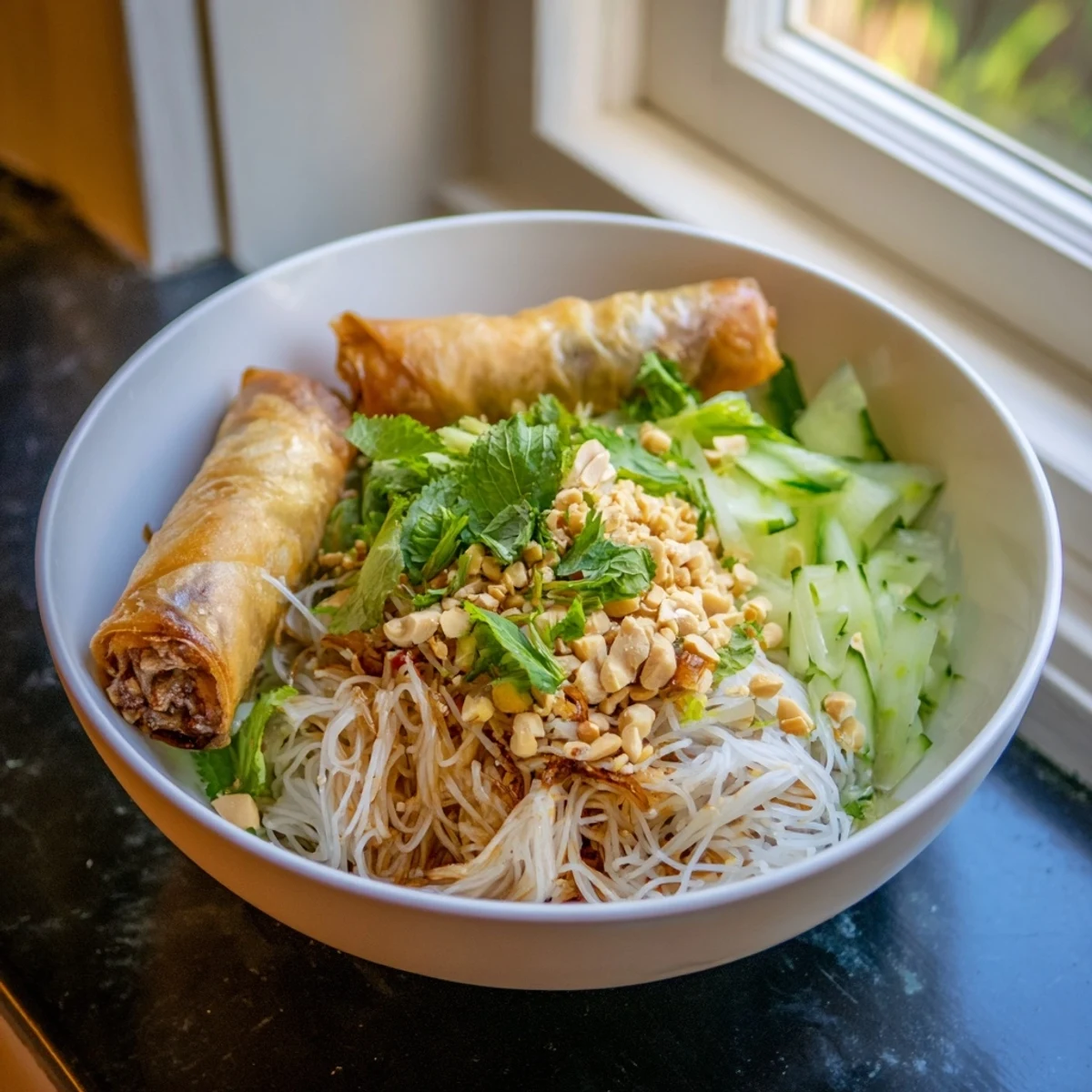
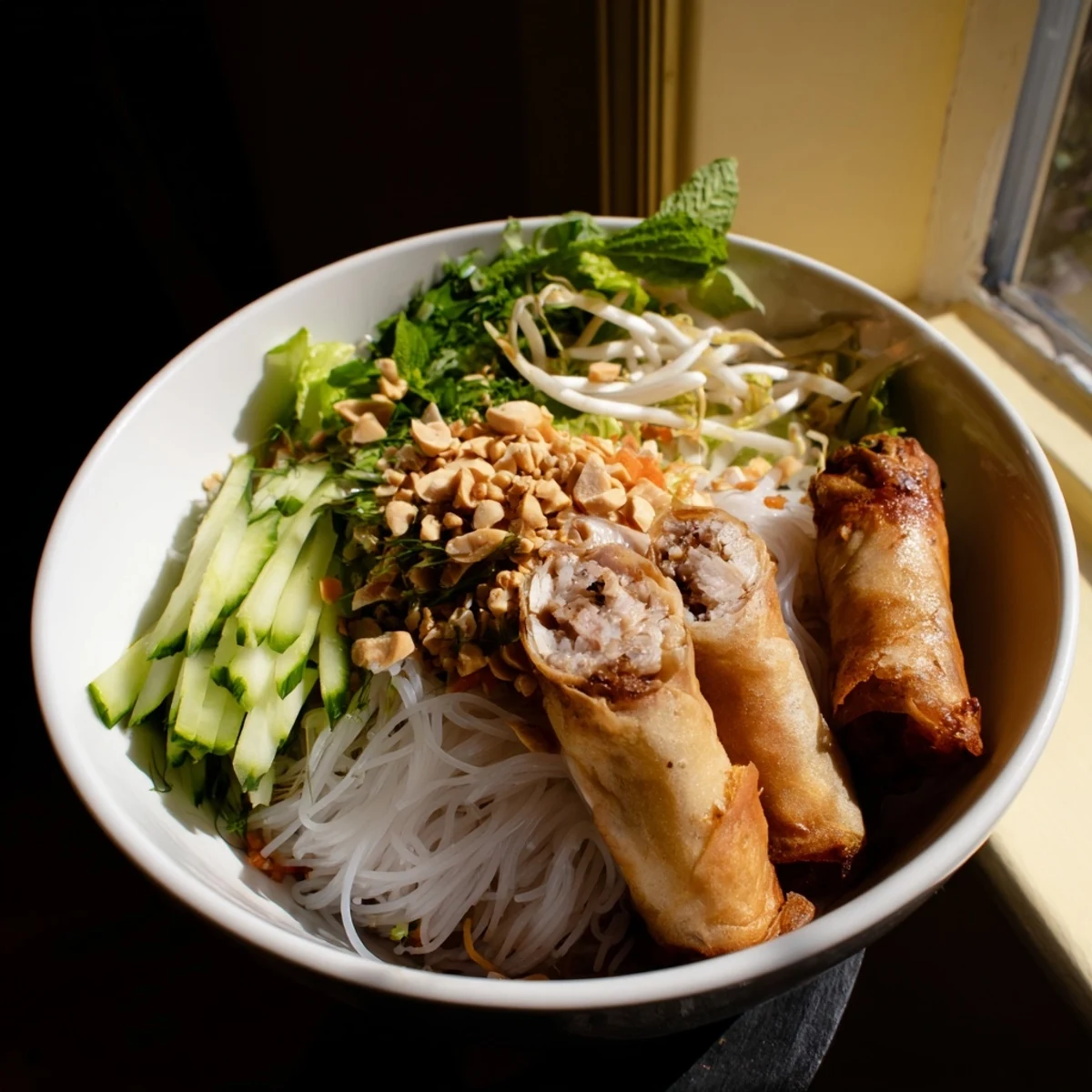
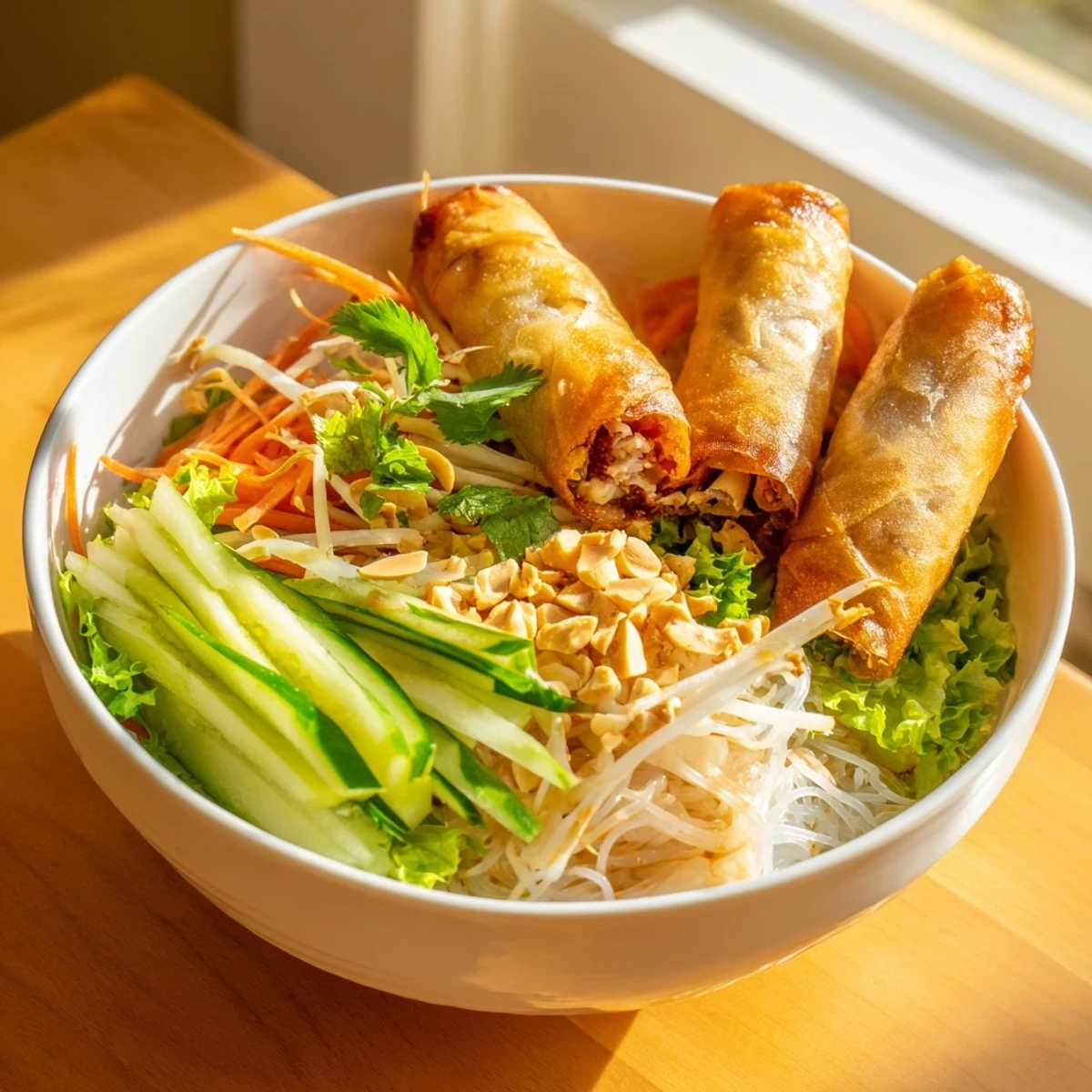
Save This classic Vietnamese dish combines crispy fried spring rolls filled with seasoned pork and shrimp over a bed of cool rice vermicelli noodles. The bowl is piled high with refreshing cucumber, bean sprouts, lettuce, and aromatic herbs like mint, cilantro, and Thai basil. A tangy nuoc cham dipping sauce balances the rich, crispy rolls with bright acidity. Perfect for warm weather entertaining or a satisfying dinner that features contrasting textures and vibrant flavors.
The first time I had Bún Chả Giò was at a tiny family-run spot in Saigon where the owner's grandmother sat by the door peeling garlic. She waved me over to watch her fry the spring rolls, teaching me that the sizzle should sound like gentle rain, not angry splattering. That afternoon changed how I thought about Vietnamese food entirely—it's not just a meal, it's a meditation on textures and temperatures.
Last summer I made this for my sister's birthday, and she actually stopped talking mid-sentence when she took her first bite. We sat on the back porch with the bowls steaming gently, spring rolls shattering softly against our spoons, and realized we'd forgotten to pour the wine because the food was so captivating on its own.
Ingredients
- Ground pork: The fat content keeps the spring roll filling juicy and prevents it from becoming dry or mealy
- Shrimp: Finely chopped adds sweet spots of seafood flavor throughout each roll
- Glass noodles: Soak them until pliable but not mushy, then snip into small pieces for even distribution
- Wood ear mushrooms: These provide an essential earthy crunch that you simply cannot substitute
- Rice paper wrappers: Work quickly once they're softened or they'll tear and become frustrating
- Rice vermicelli: Rinse thoroughly with cold water after cooking to stop the cooking process and prevent clumping
- Fresh herbs: Use a mix of mint, cilantro and Thai basil for the most authentic flavor profile
- Fish sauce: Don't be tempted to reduce the amount, it's the essential salty backbone of the entire dish
- Lime juice: Fresh is absolutely required here, bottled juice lacks the bright acidity needed
Instructions
- Mix the filling:
- Combine everything in a large bowl and mix with your hands until the proteins feel sticky and well integrated, about 2 minutes of thorough mixing
- Softening wrappers:
- Keep a damp towel nearby for your work surface and dip each paper for exactly 5 seconds before laying it flat, any longer and they become impossibly fragile
- Rolling technique:
- Fold the sides in first to seal the ends, then roll tightly from bottom to top like you're tucking someone into bed, keeping the filling snug but not bursting
- Frying to perfection:
- Maintain the oil at 170°C and fry for about 6 minutes, turning frequently until they're uniformly golden and sound hollow when tapped
- Preparing the noodles:
- Cook according to package directions, then immediately rinse under cold running water while gently separating the strands with your fingers
- Making the sauce:
- Dissolve the sugar completely in warm water first, then stir in the fish sauce, lime juice, garlic and chili, adjusting the balance until it hits all your taste buds
- Assembly time:
- Pile the noodles high with vegetables and herbs, arrange the sliced spring rolls on top like precious gems, and finish with those crushed peanuts
 Save
Save This recipe has become my go-to for dinner parties because everyone customizes their bowl exactly how they like it. Last month my friend Sarah, who claims to hate cilantro, picked around it and then asked for the recipe the next day.
Mastering the Rice Paper
If you're new to working with rice paper, expect to ruin a few wrappers before you get the hang of it. The sweet spot is when the paper is pliable but still slightly translucent, not completely transparent. I keep a small bowl of water handy to re-dry spots that become too wet.
Getting the Fry Temperature Right
Too cold and the spring rolls will absorb oil and become greasy, too hot and they'll burn before cooking through. I drop a small piece of wrapper in first, if it immediately rises to the surface and bubbles enthusiastically, the oil is ready.
Make-Ahead Strategy
You can assemble the uncooked spring rolls up to 4 hours ahead, layering them between parchment paper to prevent sticking. The filling actually develops better flavor after sitting, and the vegetables and noodles can all be prepped in advance.
- Fry the spring rolls just before serving for maximum crispiness
- Keep the nuoc cham at room temperature, never refrigerated
- Squeeze fresh lime over the bowl right before eating for brightness
 Save
Save This dish rewards those who take their time with preparation and assembly. When you finally sit down to eat, surrounded by bowls of vibrant components, you'll understand why Vietnamese cuisine is celebrated worldwide.
Recipe FAQs
- → What makes bun cha gio different from other Vietnamese noodle dishes?
-
Bun cha gio stands out for its combination of crispy fried spring rolls atop cool, fresh rice noodles. Unlike pho or bun bo hue, this dish isn't served with hot broth. The contrast between hot, crispy spring rolls and cold, refreshing noodles creates a unique texture experience typical of Vietnamese cuisine's balance philosophy.
- → Can I prepare the spring rolls in advance?
-
Yes, you can assemble the spring rolls up to 24 hours ahead and store them layered between parchment paper in the refrigerator, covered with a damp cloth. Fry them just before serving for optimal crispiness. Leftover fried spring rolls can be crisped in a 375°F oven for 5-7 minutes.
- → What's the best way to prevent rice paper wrappers from tearing?
-
Use warm (not hot) water and dip wrappers briefly—about 3-5 seconds maximum. Over-soaking makes them fragile. Work on a damp towel and fill rolls immediately after softening. If wrappers dry out while rolling, lightly brush with water using your fingers.
- → Is there a vegetarian alternative for the filling?
-
Substitute crumbled firm tofu or seasoned mushrooms for the pork and shrimp. Use vegetarian fish sauce or soy sauce mixed with a pinch of mushroom seasoning. Maintain the same vegetable ratio for texture. Glass noodles, wood ear mushrooms, and carrots already provide excellent structure.
- → What can I serve alongside bun cha gio?
-
Traditional accompaniments include fresh lettuce leaves for wrapping spring rolls, additional herb plates, and pickled vegetables (do chua). A crisp lager, light lager, or aromatic white wine like Sauvignon Blanc pairs beautifully. For a complete spread, add Vietnamese summer rolls or papaya salad.