
 Save
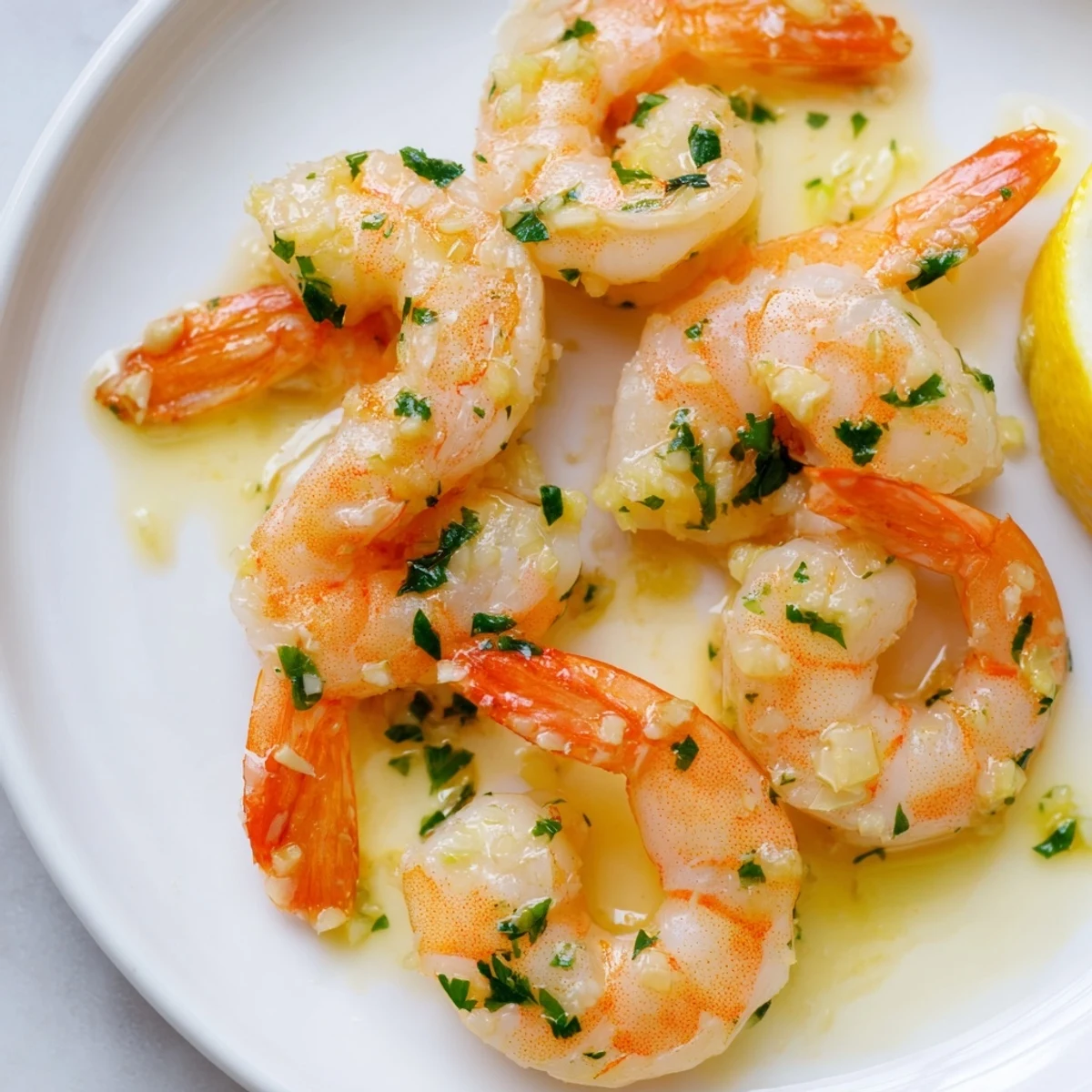
Save This buttered shrimp comes together in just 20 minutes, making it an ideal choice for busy weeknights or last-minute entertaining. Large shrimp are seared in a luscious garlic butter sauce brightened with fresh lemon juice and finished with chopped parsley.
The dish is naturally gluten-free and pescatarian-friendly, pairing beautifully with crusty bread, steamed rice, or a crisp green salad. A glass of chilled Sauvignon Blanc makes the perfect companion.
The sizzle of butter hitting a hot pan is one of those sounds that makes everyone in the house wander toward the kitchen, and this garlic butter shrimp recipe is the reason my skillet never stays cold for long. It came together one rainy Tuesday when the fridge offered nothing but a bag of frozen shrimp and half a lemon, yet it tasted like something from a coastal restaurant. Twenty minutes later my partner was scraping the pan with a piece of bread and asking if we could eat this every single week. That was three years ago and honestly we almost do.
I once made this for my neighbor who stopped by to return a borrowed ladder and ended up staying for dinner because the smell drifting through the screen door was impossible to resist. We stood in the kitchen eating straight from the skillet with wooden spoons and a torn baguette between us. She now texts me every Friday asking if the ladder needs borrowing again.
Ingredients
- 1 pound large shrimp peeled and deveined: Frozen works beautifully here and I always keep a bag on hand for exactly this kind of evening. Thaw them under cold running water for about ten minutes and pat them thoroughly dry because excess moisture is the enemy of a good sear.
- 4 tablespoons unsalted butter: Unsalted gives you control over the seasoning and lets the sweet richness of the butter itself shine through. Do not be tempted to reduce this amount because the butter is the sauce.
- 4 cloves garlic minced: Fresh garlic only please. The jarred kind loses that sharp sweet perfume that blooms the second it hits warm butter. Mince it finer than you think you need so it melts into the sauce rather than clumping.
- 2 tablespoons fresh parsley chopped: Flat leaf parsley has more flavor than curly and adds a bright grassy finish that balances the richness. Chop it right before adding so the color stays vivid and the oils are still fragrant.
- 1 tablespoon fresh lemon juice: A squeeze at the end wakes up every flavor on the plate. Roll the lemon on the counter before cutting to get the most juice from it.
- Salt and black pepper: Simple seasonings that do heavy lifting. Freshly cracked pepper makes a noticeable difference here.
- Lemon wedges and crusty bread for serving (optional): The bread is not really optional in my house because someone will want to mop up every last drop of that butter.
Instructions
- Dry and Season the Shrimp:
- Lay the peeled shrimp on a clean kitchen towel or paper towels and press firmly until they are completely dry on all sides. Sprinkle with salt and pepper and toss gently so every shrimp gets a light even coating. This step takes two extra minutes but rewards you with a beautiful golden sear instead of a steamed soggy mess.
- Build the Butter Foundation:
- Set your skillet over medium heat and drop in the butter. Let it melt slowly until it starts to foam and you see tiny golden flecks forming at the edges. Add the minced garlic and stir for about thirty seconds just until the smell fills the room but before any pieces turn brown because burnt garlic will turn bitter fast.
- Sear the Shrimp:
- Lay the shrimp in a single uncrowded layer and let them sit undisturbed for two to three minutes until the bottoms turn a lovely pink with slightly golden edges. Flip each one and cook another minute or two until they are opaque throughout but still have a slight bounce when pressed. Overcooked shrimp curl tight and feel rubbery so pull them a touch early because carryover heat will finish the job.
- Finish with Brightness:
- Pour in the lemon juice and scatter the chopped parsley over the top then toss everything together so each shrimp glistens with the pan sauce. Remove from heat the moment everything is coated because the acid will continue to work off the stove. Taste a small piece of shrimp and adjust with another pinch of salt if needed.
- Serve Immediately:
- Transfer to a warm plate or shallow bowl and tuck lemon wedges around the edges. Set out crusty bread or ladle over steamed rice if you want something to soak up every drop of that golden garlicky butter.
 Save
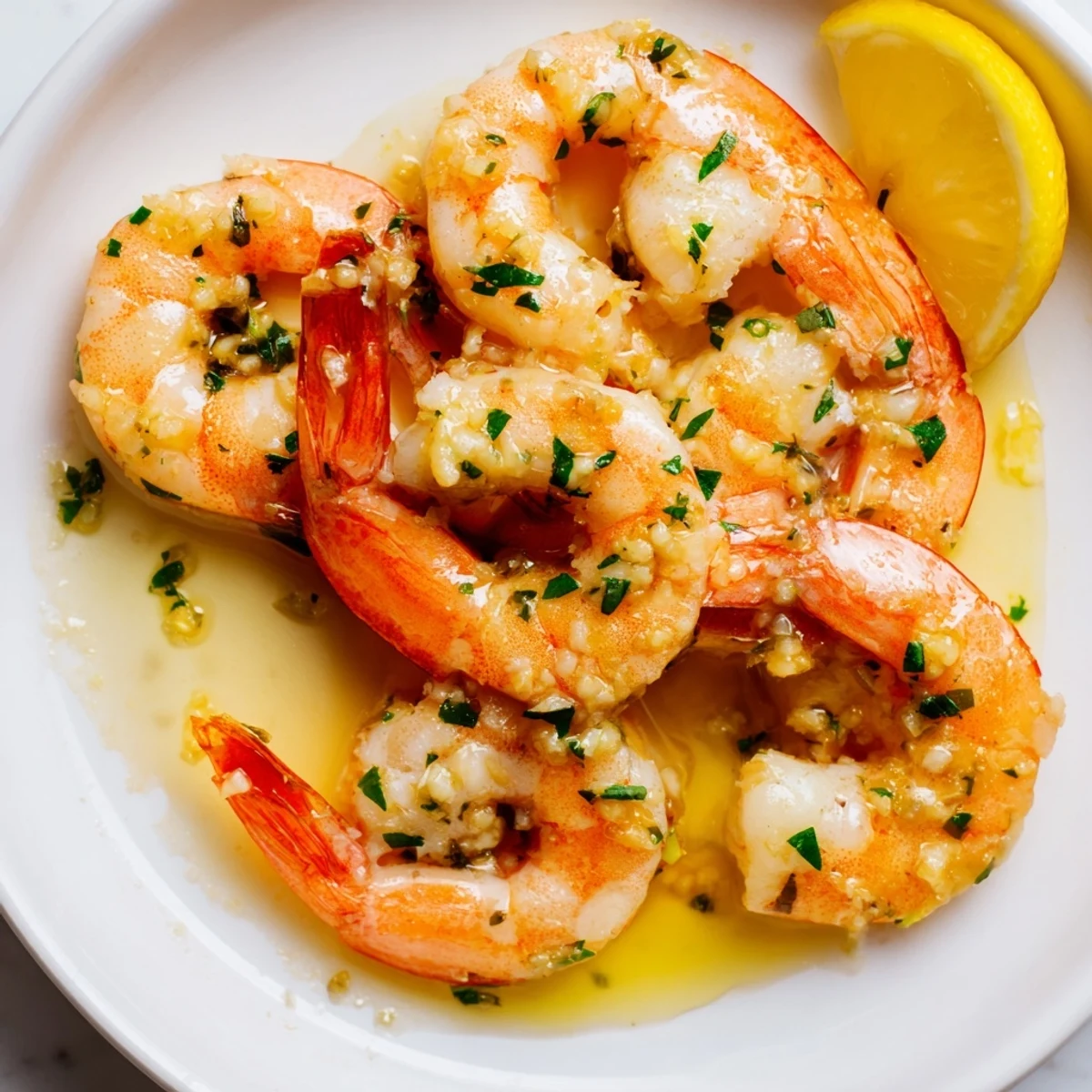
Save There is something deeply satisfying about a meal this simple that still makes people close their eyes when they take the first bite. It reminds me that good cooking does not require complication or expensive ingredients, just attention and a willingness to let a few quality flavors do the talking.
What to Serve Alongside
A crisp Sauvignon Blanc is my go to pairing because its citrusy acidity mirrors the lemon in the dish and cuts through the butter beautifully. For sides, a pile of steamed rice or buttered noodles works wonders but a hunk of torn sourdough might be the most honest answer. A simple green salad with vinaigrette on the side adds crunch and keeps the plate feeling complete without stealing the spotlight.
Skillet and Timing Matters
Use the largest skillet you own because overcrowding the shrimp causes them to steam rather than sear and you lose that gorgeous golden color. I learned this the hard way when I tried to cook the full pound in a small saucepan and ended up with something closer to shrimp soup. Medium heat is the sweet spot because too high and the butter burns before the shrimp cook through, too low and you never get that sizzle that makes the edges lightly caramelized.
Easy Variations to Try
Once you have the base technique down this recipe becomes a playground for whatever you have on hand or whatever mood strikes you. A pinch of red pepper flakes added with the garlic transforms it into something with a warm lingering heat that pairs especially well with cold beer on a summer evening.
- Swap the parsley for fresh cilantro and add a squeeze of lime for a Mexican inspired twist that is incredible over rice.
- Try dill instead of parsley with a touch of white wine in the pan for something that tastes like a seaside dinner in Denmark.
- Double the garlic if you are feeding garlic lovers because the butter can handle it and no one has ever complained about too much garlic in my experience.
 Save
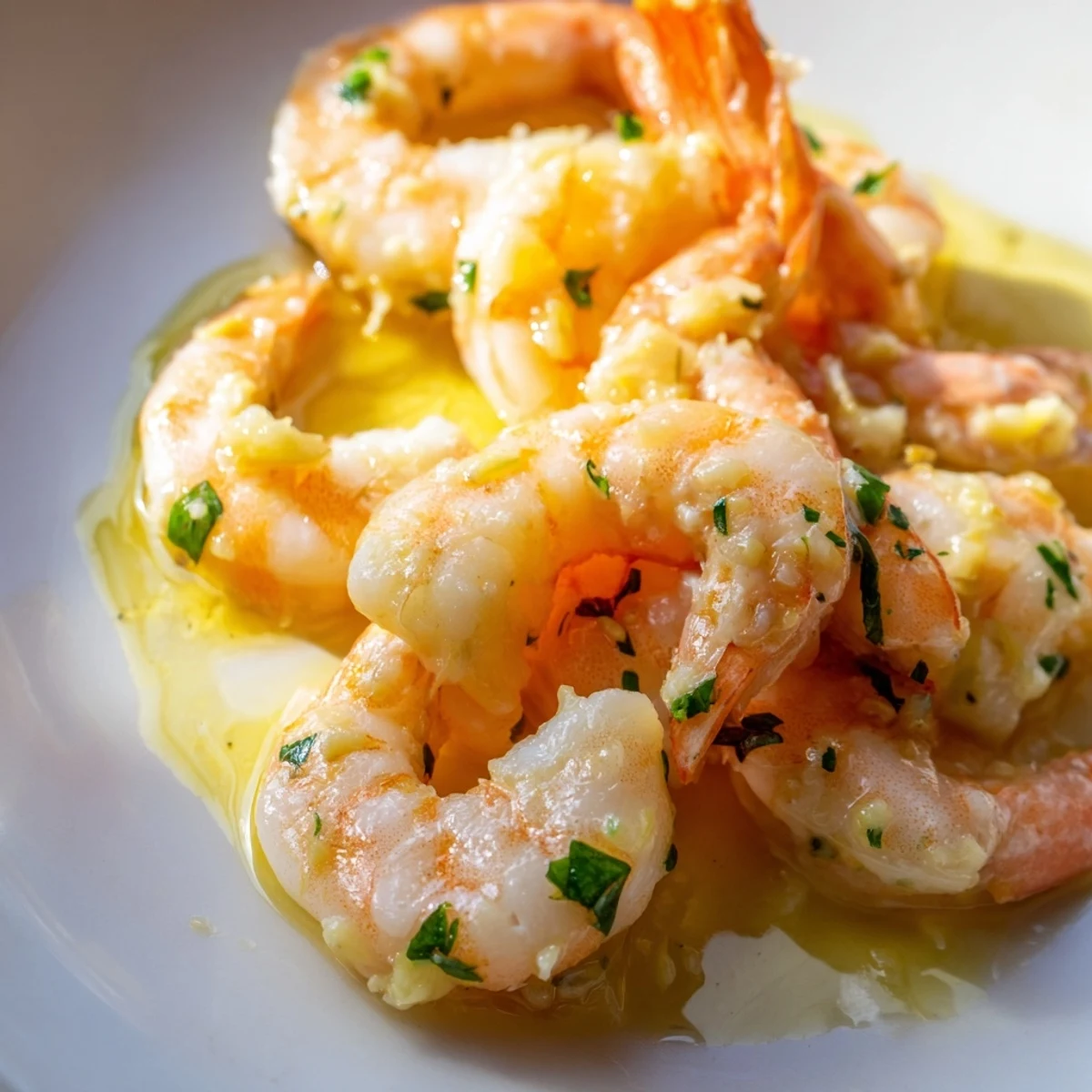
Save Keep this recipe in your back pocket for nights when time is short but you still want something that feels like a proper meal worth sitting down for. It has never once let me down and I suspect it will become one of those dishes you memorize without trying to.
Recipe FAQs
- → Can I use frozen shrimp for this dish?
-
Yes, frozen shrimp works well. Thaw them completely in the refrigerator overnight or under cold running water. Pat them thoroughly dry before cooking to ensure a proper sear and prevent the butter sauce from becoming watery.
- → How do I avoid overcooking the shrimp?
-
Shrimp cook quickly—typically 2 to 3 minutes per side. Watch for them to curl into a C shape and turn pink and opaque. Remove the skillet from heat as soon as they are done, as residual heat will continue cooking them.
- → What can I substitute for butter?
-
For a dairy-free version, use ghee, olive oil, or a plant-based butter alternative. Keep in mind that the flavor profile will shift slightly, as butter contributes a rich, creamy quality that defines this classic preparation.
- → How should I store and reheat leftovers?
-
Store leftover shrimp in an airtight container in the refrigerator for up to 2 days. Reheat gently in a skillet over low heat just until warmed through. Avoid microwaving, as it can make the shrimp rubbery and tough.
- → What sides pair best with buttered shrimp?
-
Crusty bread is ideal for soaking up the garlic butter sauce. Steamed rice, angel hair pasta, or roasted vegetables also work wonderfully. A simple arugula salad with lemon vinaigrette adds a fresh, peppery contrast.
- → Can I add vegetables directly to the pan?
-
Absolutely. Cherry tomatoes, spinach, or asparagus tips can be added alongside the shrimp. Add quick-cooking vegetables after the garlic step and before the shrimp, giving them a minute or two to soften before proceeding.