
 Save
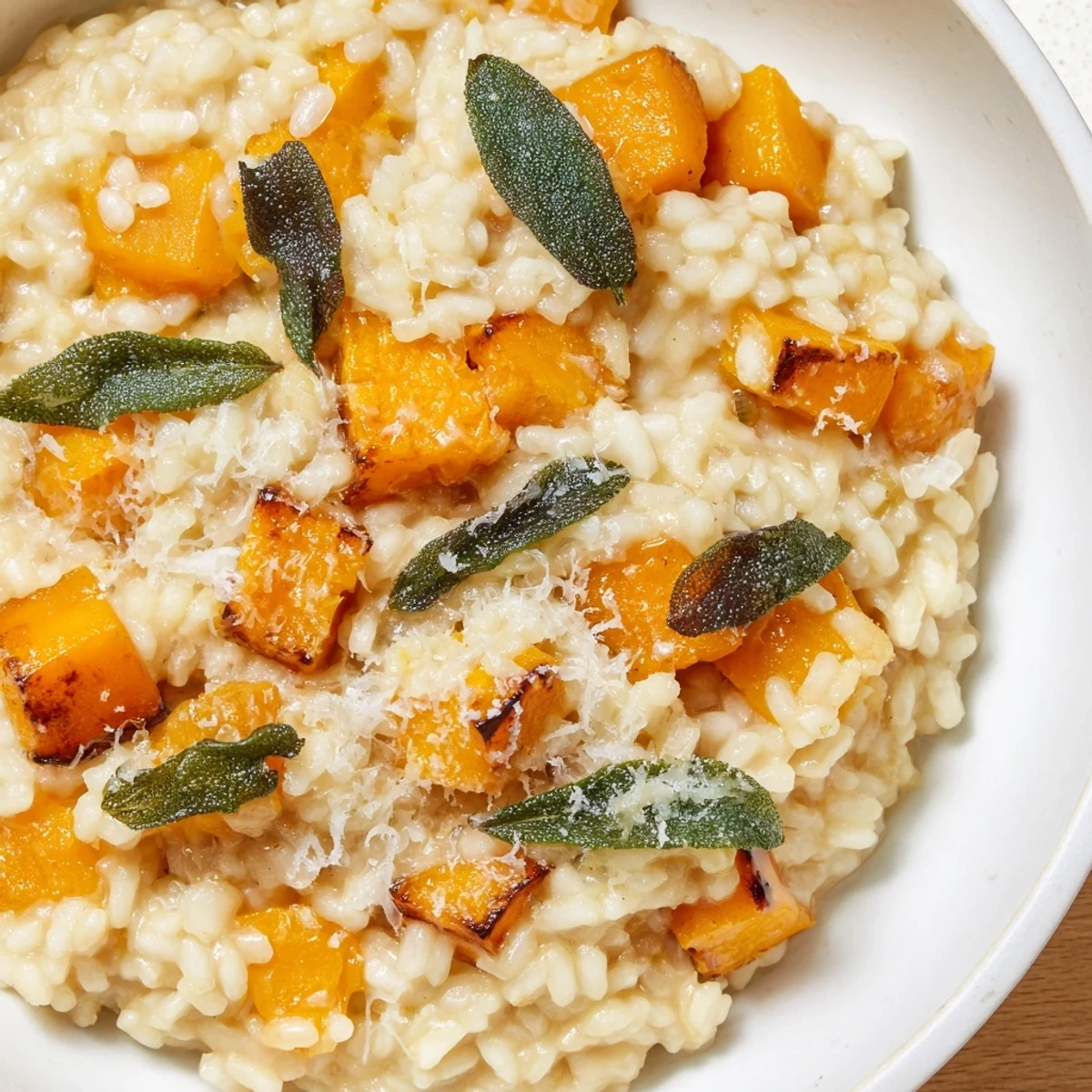
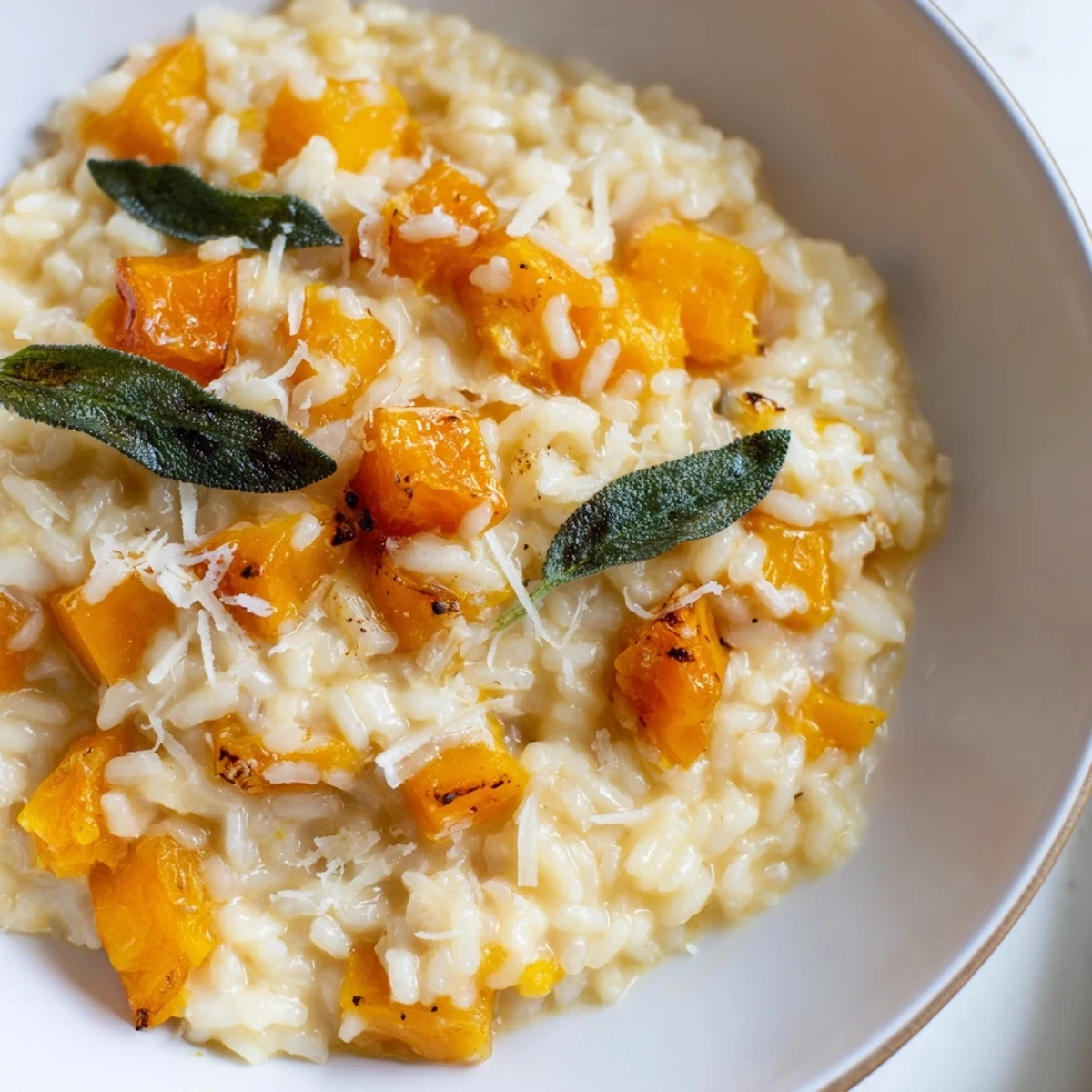
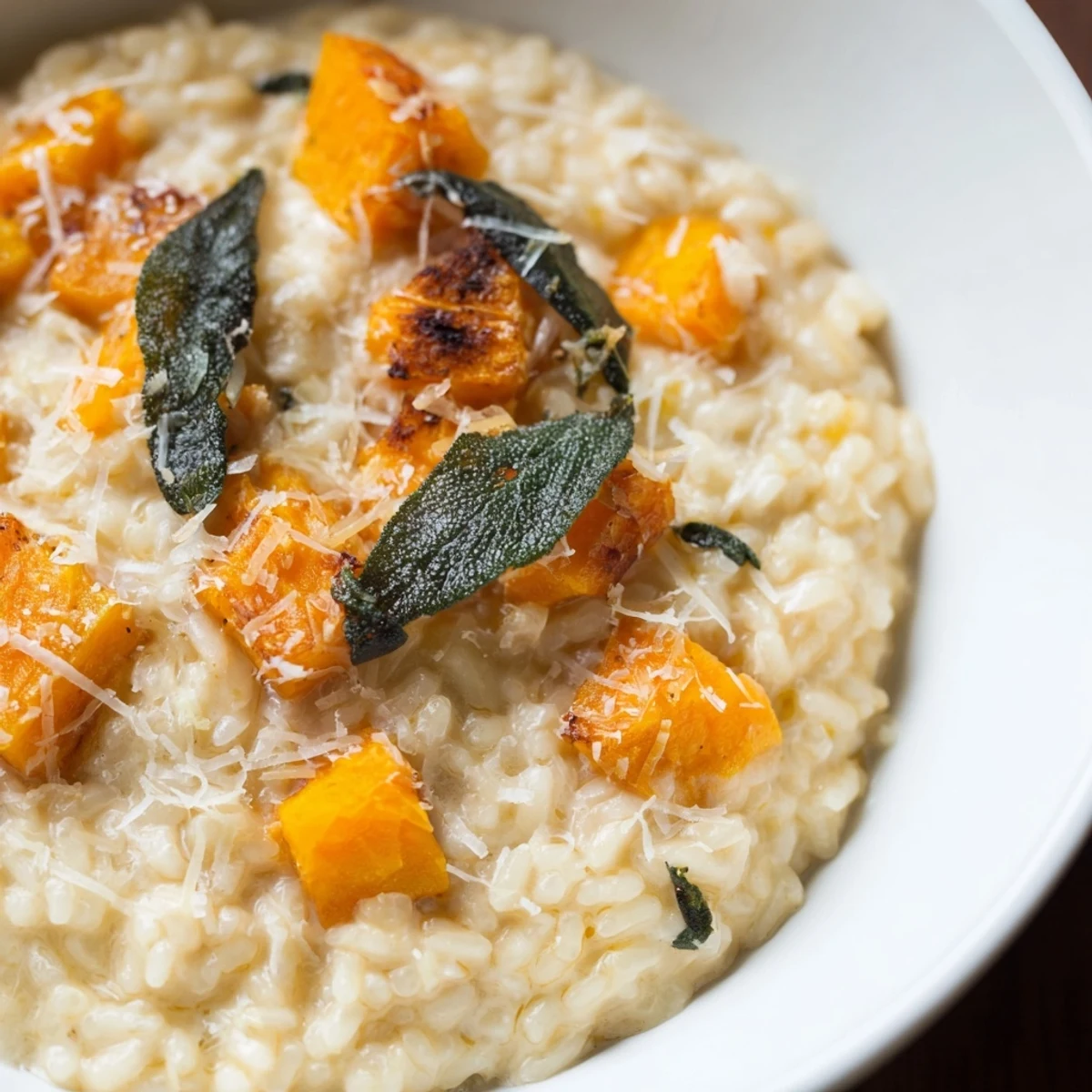
Save This comforting autumn dish features creamy Arborio rice gently simmered with sweet roasted butternut squash. The risotto is enriched with melted butter and freshly grated Parmesan, creating a luscious texture and rich flavor. Crispy golden sage leaves are fried until crisp and used to crown the dish, adding a delightful herbal crunch. Perfect for a warm, satisfying meal that highlights seasonal ingredients and traditional Italian cooking techniques, this dish combines creamy, savory, and aromatic elements harmoniously.
There's something about October that makes me crave risotto, but not just any risotto—the kind where butternut squash melts into creamy rice like edible gold. I stumbled onto this version while roasting squash for soup, thinking about how the sweet caramelized edges might transform something savory. That first bowl, topped with sage leaves I'd fried until they shattered like stained glass, changed how I cook autumn vegetables entirely.
I made this for my sister's dinner party in late September, and she kept asking why everything tasted like it had been infused with butter and patience. When I explained it was just risotto technique—ladle by ladle, no shortcuts—she started laughing because she'd always avoided it thinking it required some secret knowledge. By the end of dinner, she was convinced risotto was something she could master, and honestly, watching someone fall in love with a dish you've learned to make well is better than any compliment.
Ingredients
- Butternut squash (1 medium, about 900g): Roasting it separately ensures the edges caramelize while staying tender—this is where the sweetness concentrates, so don't skip this step or rush it.
- Arborio rice (300g): Its starch is what makes the risotto creamy without any cream, and the grains hold their shape instead of turning into paste if you pay attention.
- Vegetable stock (1.2 liters, kept warm): Cold stock will shock the cooking process and mess with your timing, so keep a pot simmering nearby and add it gradually.
- Butter (60g, divided): Half goes into the pan before the sage, half finishes the dish—this split method gives you both the fried sage flavor and the creamy final texture.
- Parmesan (60g, freshly grated): Pre-shredded cheese has anti-caking agents that make it grainy; freshly grated melts into the risotto like it belongs there.
- Fresh sage leaves (12–15): They go from fragrant to burnt in seconds once they hit hot butter, so watch them like you'd watch a child near the stove.
- Olive oil (2 tbsp total): Extra virgin is wasted here since you're cooking with heat; regular olive oil or even light oil works better and costs less.
- Onion (1 medium, finely chopped) and garlic (2 cloves, minced): These are your aromatic base—don't skip the translucent stage for the onion or you'll taste raw sharpness later.
Instructions
- Roast the squash until edges caramelize:
- Preheat your oven to 200°C (400°F) and toss the diced squash with 1 tbsp olive oil, salt, and pepper. Spread it on a baking sheet and roast for 20–25 minutes, stirring halfway through, until the edges turn golden and the inside is tender enough to pierce with a fork. This step is happening while you prep everything else, so time it right.
- Fry the sage until it shatters:
- In your large sauté pan or Dutch oven, melt 2 tbsp butter with the remaining 1 tbsp olive oil over medium heat. Lay the sage leaves flat in a single layer and listen—they'll go quiet and papery in about 1–2 minutes when they're done. Remove them with a slotted spoon and let them drain on paper towels where they'll crisp up even more.
- Build your aromatics:
- In the same pan (all those sage-infused fats are staying behind), add your finely chopped onion and cook over medium heat for 4–5 minutes until it turns soft and translucent, almost glass-like. Add the minced garlic and cook for exactly 1 more minute—any longer and it goes bitter, any shorter and it stays too sharp.
- Toast the rice grains:
- Stir in your Arborio rice and cook for 2 minutes, stirring almost constantly, until each grain looks glossy and coated. You'll see the rice go from opaque to shiny; that's when you know the starches are starting to toast and the structure is ready to absorb stock.
- Add stock one ladle at a time:
- Pour in your first ladle of warm vegetable stock (warm, never cold) and stir frequently until the liquid is mostly absorbed—about 2–3 minutes. Then add another ladle and repeat this rhythm for about 18–20 minutes total, tasting the rice as you go; it should go from hard to tender but still have a tiny bit of firmness in the center of each grain.
- Finish with squash, butter, and cheese:
- When the rice reaches that creamy, al dente state, gently fold in your roasted butternut squash so it stays in pieces rather than breaking apart. Remove from heat and stir in the remaining 2 tbsp butter and all your freshly grated Parmesan, then taste and adjust salt and pepper—risotto forgives a lot, but underseasoning ruins it.
- Serve immediately:
- Scoop into warm bowls while the risotto still has that flowing, creamy consistency and top each one with your crispy sage leaves and a final shower of Parmesan. Risotto waits for no one, so have your bowls ready and your guests seated before you finish the last stir.
 Save
Save The first time someone told me my risotto tasted restaurant-quality, I realized it wasn't about magic or fancy ingredients—it was about giving each step the tiny bit of attention it deserved. There's something meditative about standing at the stove, ladle in hand, watching rice transform from individual grains into something silky that coats the back of a spoon. That's when cooking stopped feeling like a chore and started feeling like something I actually wanted to do.
Why Roasting Matters
Roasting the butternut squash separately isn't extra work—it's the difference between risotto that tastes like sweet rice and risotto that tastes like autumn captured in a bowl. When you roast, the squash develops caramelized edges that taste almost nutty, and those edges don't get lost in the cooking liquid. The moisture stays minimal, so your risotto stays creamy instead of turning watery.
The Sage Makes It Special
Crispy sage is the detail that makes people lean back and wonder what you did differently, and the answer is just patience for 90 seconds. The leaves go from green and fragrant to golden and papery, and once they hit that point they stay crispy even if the risotto sits for a few minutes. If you can't find fresh sage, honestly, this dish isn't the same—don't substitute dried sage, which tastes dusty, or skip it altogether. Just find fresh sage; it's worth the extra stop at the market.
Pairing and Serving Ideas
This risotto pairs beautifully with a crisp white wine like Pinot Grigio, which cuts through the richness with bright acidity and complements the sweet squash without fighting it. A simple green salad with lemon vinaigrette afterward is all you need, though if you're serving this at a dinner party, crusty bread on the side means guests can soak up every last bit of sauce.
- Serve in warm bowls straight from the oven so the risotto doesn't cool down and turn thick.
- If you're making this for a vegan friend, use vegan butter and skip the cheese or swap it for a cashew-based parmesan that melts just as smoothly.
- Leftovers can be transformed into risotto cakes the next day—cool them, form into patties, and pan-fry until golden, though they're never quite as good as fresh.
 Save
Save Butternut squash risotto has become the dish I make when I want to remind myself that good food doesn't require a long list of fancy ingredients or hours of work—just attention, timing, and respect for the process. Make this once and you'll have the technique forever.
Recipe FAQs
- → How do I achieve crispy sage leaves?
-
Heat butter and olive oil in a pan over medium heat, add fresh sage leaves in a single layer, and fry for 1–2 minutes until golden and crisp. Drain on paper towels before serving.
- → Can I substitute vegetable stock with wine?
-
Yes, for a richer flavor, replace half the vegetable stock with dry white wine, adding it after toasting the rice and before gradually adding the remaining stock.
- → What type of rice is best for this dish?
-
Arborio rice is preferred due to its high starch content, which creates a creamy texture as it slowly absorbs liquid during cooking.
- → How can I make this dish vegan?
-
Use vegan butter and substitute Parmesan with a plant-based alternative or omit it altogether to keep the creamy texture while maintaining flavor.
- → What are good beverage pairings?
-
A crisp white wine like Pinot Grigio complements the creamy risotto and enhances the autumnal flavors of roasted butternut squash and sage.