
 Save
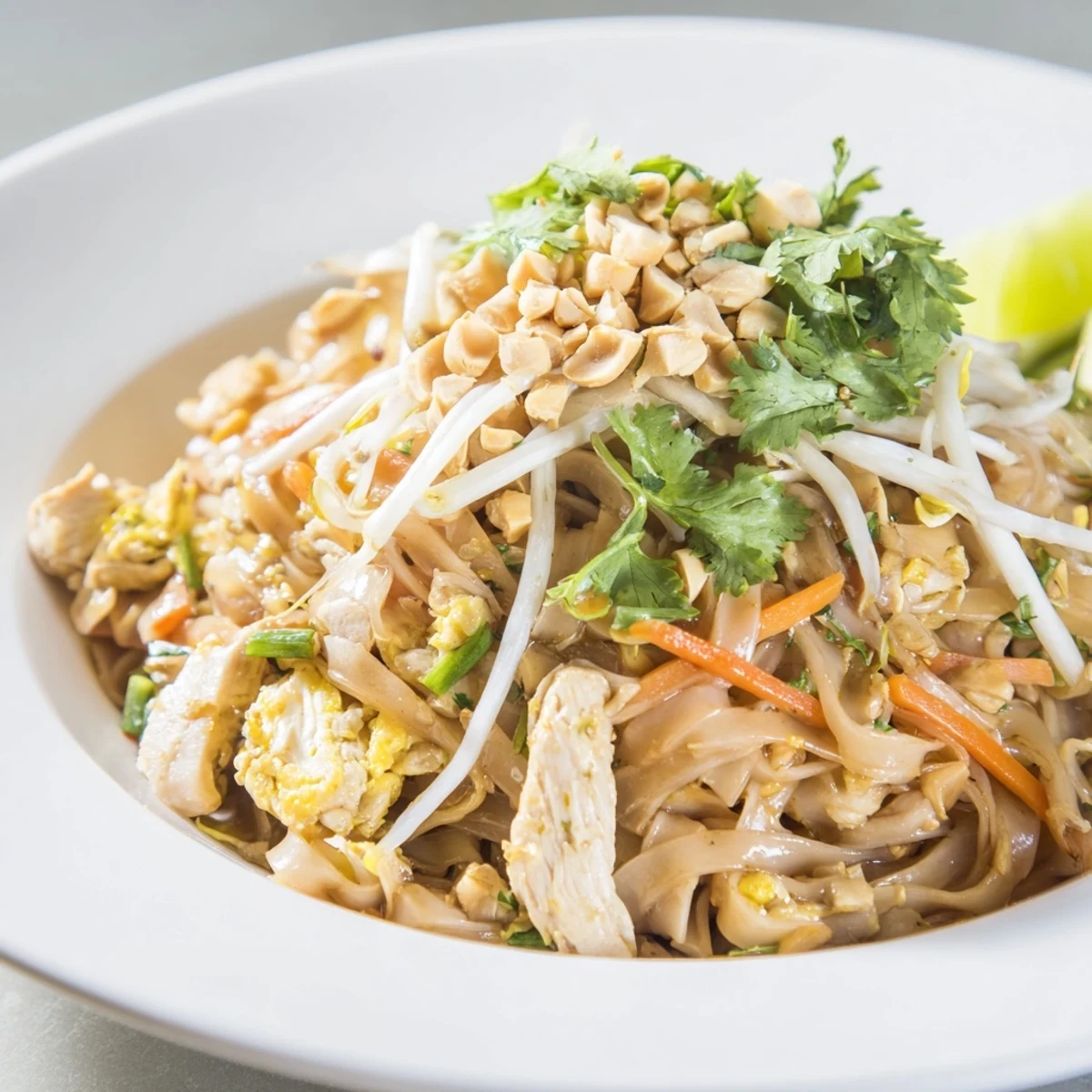
Save Experience the vibrant flavors of Thailand with this classic noodle stir-fry featuring tender chicken pieces and springy rice noodles coated in a perfectly balanced tamarind sauce. The tangy-sweet glaze combines fish sauce, palm sugar, and fresh lime, while bean sprouts, garlic, and shallots add layers of texture and aroma. Each bowl gets topped with crunchy roasted peanuts and fresh cilantro for that signature Pad Thai finish. Ready in under an hour, this dish brings authentic Thai street food vibes to your kitchen.
The first time I attempted pad thai at home, I stood in front of my wok feeling completely intimidated by all the components waiting on my counter. My roommate Sarah wandered in, caught sight of my mise en place setup, and laughed at how seriously I was taking a weeknight dinner. That evening, we burned the first batch of noodles because I got distracted explaining the difference between tamarind and lime, but the second attempt taught me that pad thai is actually about confidence and speed more than perfection.
Last winter when my sister came to visit, she mentioned craving authentic pad thai but being too intimidated to order it at restaurants due to her peanut allergy. I spent the afternoon testing this recipe, carefully measuring each component and learning exactly how to balance the flavors. When we finally sat down to eat, she took one bite and immediately asked for the recipe to make for her family, who had stopped ordering thai food years ago.
Ingredients
- 400 g boneless skinless chicken breast or thighs: Thighs stay juicier in high heat but breast works perfectly if thats what you have on hand
- 2 large eggs: Room temperature eggs scramble better and incorporate more smoothly into the noodles
- 250 g dried flat rice noodles: The quarter inch wide variety is traditional and holds up beautifully to stir frying
- 3 tbsp fish sauce: This provides the essential savory depth that soy sauce alone cannot achieve
- 2 tbsp tamarind paste: The sour backbone of the dish, worth seeking out at an asian market
- 2 tbsp palm sugar or light brown sugar: Palm sugar has a more complex flavor but brown sugar is an excellent substitute
- 1 tbsp soy sauce: Adds color and rounds out the saltiness in the sauce balance
- 3 tbsp vegetable oil divided: Neutral oil lets the other flavors shine without competing
- 3 garlic cloves minced: Fresh garlic makes a noticeable difference over jarred versions
- 1 small shallot finely chopped: Shallots have a milder sweeter flavor than onions that works perfectly here
- 100 g bean sprouts: Add these at the end so they stay crisp and fresh
- 2 spring onions sliced: Keep the white and green parts separate for different cooking times
- 1 small carrot julienned: Completely optional but adds lovely color and texture contrast
- 60 g roasted unsalted peanuts: Roughly chopped by hand creates the most satisfying texture variation
- 1 lime cut into wedges: Fresh lime at the table is non negotiable for that authentic final bright note
- Fresh cilantro leaves: Whole stems look beautiful and let guests pluck what they want
- Chili flakes optional: Let everyone adjust their own heat level at the table
Instructions
- Soak the noodles:
- Place rice noodles in warm water for 20 to 30 minutes until they bend easily but still have some firmness in the center. Drain them well and set aside, catching a few to test the texture with your fingers.
- Whisk the sauce:
- Combine fish sauce, tamarind paste, sugar and soy sauce in a small bowl. Stir until the sugar completely disappears into the mixture, then taste and adjust if needed.
- Cook the chicken:
- Heat one and a half tablespoons oil in your wok or largest skillet over medium high heat. Add chicken slices in a single layer and let them sear briefly before tossing, cooking until just opaque throughout.
- Sauté aromatics:
- Add remaining oil to the wok along with garlic and shallot. Stir constantly for 30 seconds until the garlic turns golden and the kitchen fills with fragrance.
- Scramble eggs:
- Push everything to one side of the wok and crack eggs directly into the empty space. Scramble quickly with your spatula until just set but still soft.
- Combine everything:
- Add drained noodles and pour the sauce over them. Use tongs to toss constantly, coating every strand and helping the sauce cling to the noodles.
- Finish with vegetables:
- Return chicken to the wok along with bean sprouts, spring onion whites and carrot if using. Stir fry for 2 to 3 minutes until noodles are tender and everything is heated through.
- Garnish generously:
- Remove from heat immediately and top with peanuts, spring onion greens, cilantro and lime wedges. Let everyone add their own chili flakes at the table.
 Save
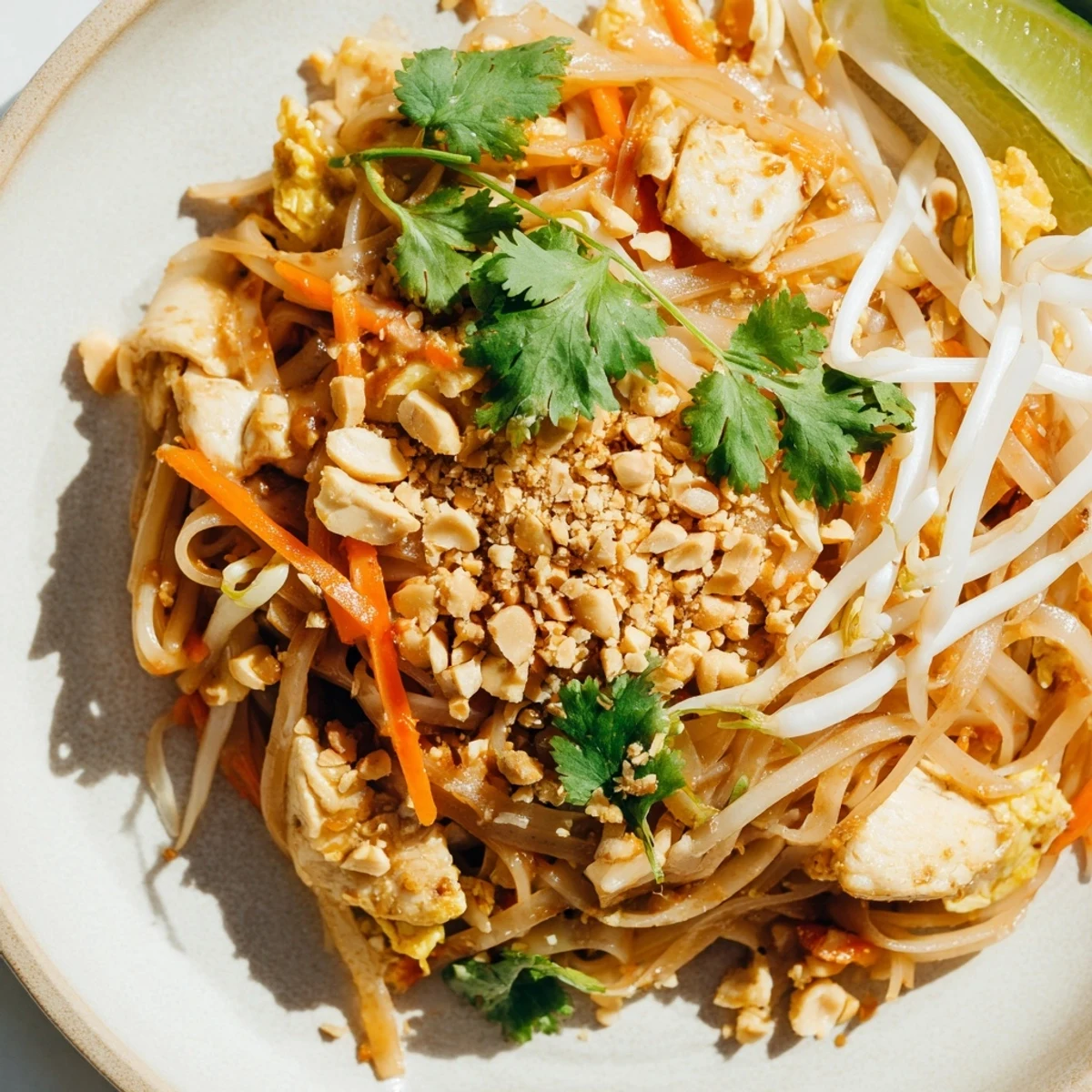
Save This recipe became my go to comfort food during exam week in graduate school when I needed something quick but still nourishing. My study group started requesting it specifically, gathering around my tiny kitchen table to eat together before heading back to the library.
Getting The Noodle Texture Right
The most common mistake home cooks make with pad thai is either over soaking or under soaking the rice noodles. They should be pliable enough to bend around your finger but still offer some resistance when you bite into a piece.
Building Your Sauce Balance
Authentic pad thai sauce follows a precise ratio of sour, sweet and salty that you should taste and adjust before adding to the wok. The tamarind provides the essential sour element while the palm sugar rounds out the sharpness and fish sauce anchors everything with umami.
Making It Your Own
Once you have the basic technique down, pad thai becomes incredibly adaptable to what you have available and who you are cooking for that evening.
- Press extra firm tofu and use soy sauce instead of fish sauce for a delicious vegetarian version
- Shrimp cooks incredibly fast and adds beautiful sweetness if you want to skip the chicken
- Keep crushed peanuts on the table for anyone who needs to avoid them entirely
 Save
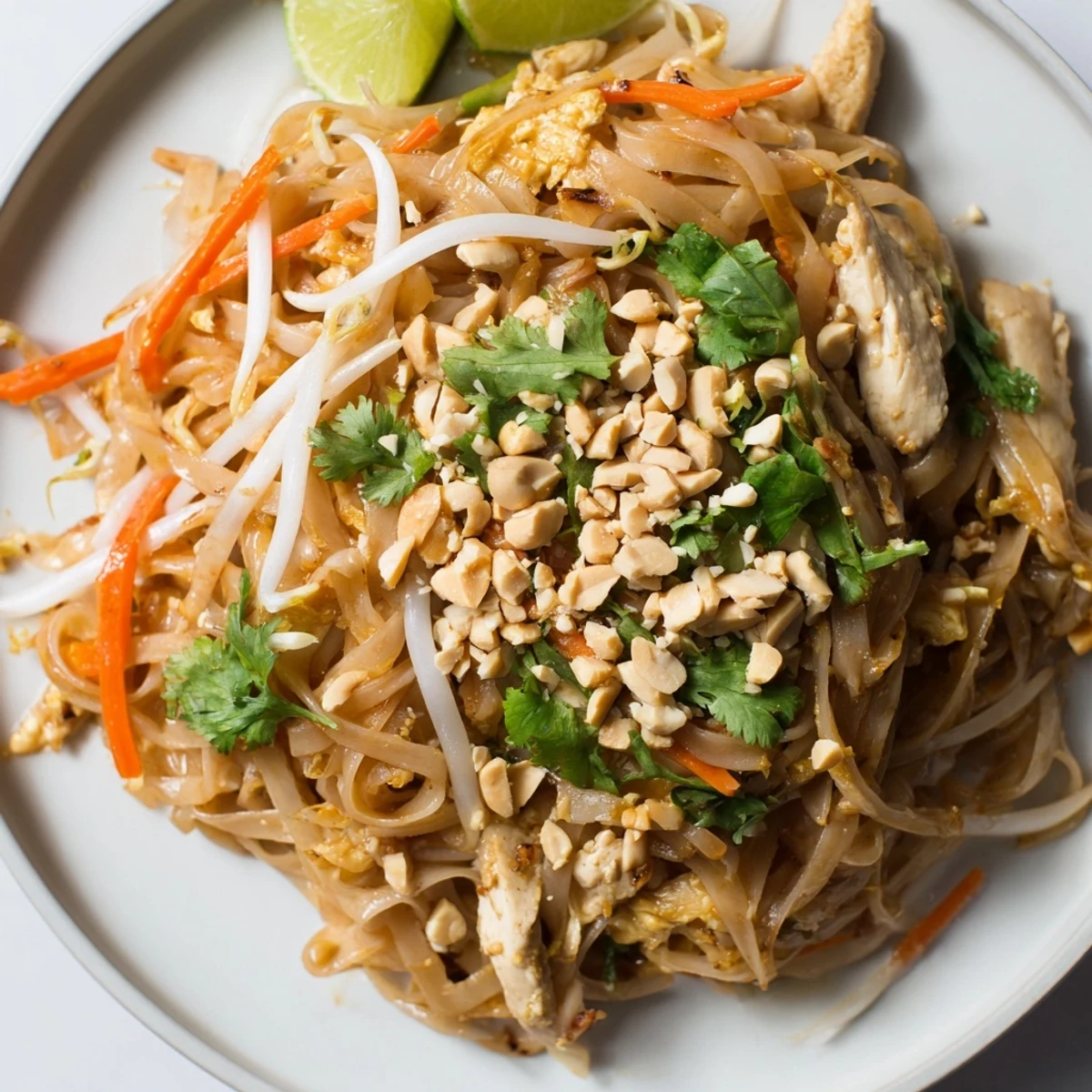
Save This recipe has served me through dinner parties, weeknight cravings, and teaching friends who swore they could not cook thai food at home.
Recipe FAQs
- → What makes Pad Thai sauce authentic?
-
Traditional Pad Thai sauce relies on the perfect balance of tamarind paste for tanginess, fish sauce for saltiness and umami, palm sugar for sweetness, and a splash of soy sauce. This combination creates the signature sweet-tangy-savory profile that defines authentic Thai street food.
- → How do I prevent rice noodles from sticking?
-
Soak dried rice noodles in warm (not hot) water for 20-30 minutes until pliable but still firm to the touch. Drain them thoroughly before adding to the wok. The residual heat from stir-frying will finish cooking them to the perfect chewy texture without becoming mushy or sticky.
- → Can I make this dish vegetarian?
-
Absolutely. Replace the chicken with firm tofu cubes and substitute fish sauce with soy sauce or a vegetarian fish sauce alternative. The cooking method remains the same—pan-fry the tofu until golden before proceeding with the aromatics and noodles for equally delicious results.
- → What's the best way to achieve wok hei at home?
-
Use a large wok or heavy skillet over high heat and ensure all ingredients are prepped before starting. Cook in batches if needed to prevent overcrowding, which lowers the temperature. The constant tossing movement over high heat creates those desirable smoky, charred notes characteristic of restaurant-style Pad Thai.
- → How spicy should authentic Pad Thai be?
-
Traditional Pad Thai is not inherently spicy—heat is typically added to taste. Serve chili flakes on the side so diners can adjust according to their preference. The focus should remain on the complex interplay between sweet, sour, and savory flavors rather than overwhelming heat.
- → Why is palm sugar preferred over regular sugar?
-
Palm sugar has a complex, caramel-like flavor with subtle earthy notes that complement the tangy tamarind without making the dish overly sweet. Brown sugar makes an adequate substitute, but palm sugar provides that authentic depth and richness characteristic of street vendors in Thailand.