
 Save
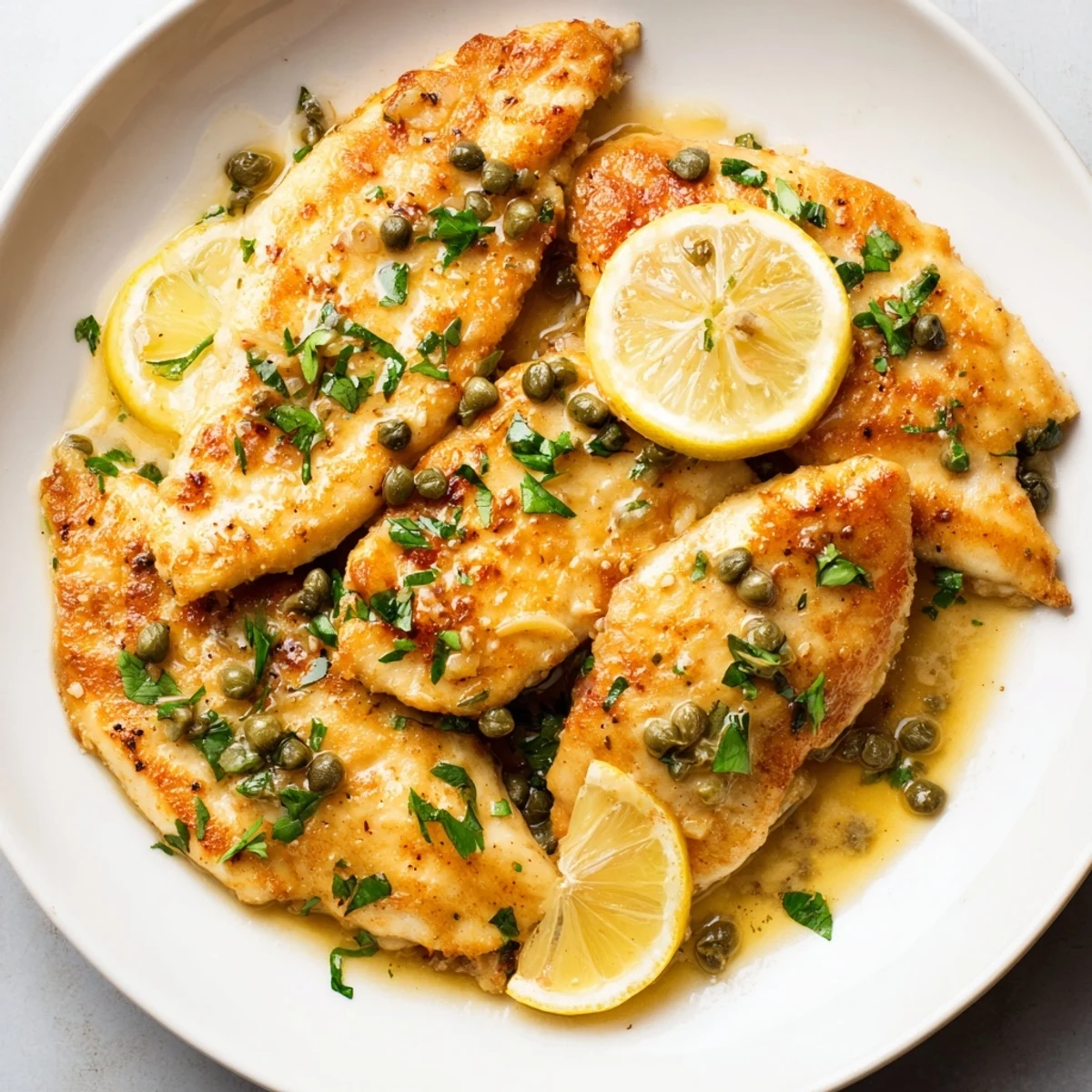
Save Enjoy tender, golden chicken cutlets pan-seared to perfection and finished in a vibrant lemon butter sauce. The dish features briny capers for a punch of savory flavor, balanced by fresh parsley. Quick enough for a weeknight yet elegant enough for guests, this Italian-American classic comes together in just thirty minutes. Serve it over pasta or with steamed vegetables for a complete meal.
There's something about the sound of chicken hitting hot butter that just signals dinner is happening. I learned to make piccata on a Tuesday night when my neighbor stopped by with fresh lemons from her tree, and we decided right there in the kitchen that we'd turn them into something golden and bright. Twenty minutes later, we were eating at my worn kitchen table with a bottle of wine between us, and I realized this dish had become one of my go-to moves for nights when I want to feel like I'm cooking something special but don't have hours to spend.
I made this for my sister's birthday dinner once, and she kept asking why restaurant chicken never tastes this tender. The secret isn't fancy—it's just paying attention to those few minutes in the pan and not rushing it. She brought her own wine, we laughed through burnt garlic in the beginning, and by the time that lemon butter sauce came together, the kitchen smelled like an Italian trattoria we couldn't afford.
Ingredients
- 2 large boneless, skinless chicken breasts: Pound them thin so they cook evenly and stay impossibly tender—thick chicken is the enemy here.
- Kosher salt and freshly ground black pepper: Don't skimp; this is your seasoning foundation.
- ½ cup all-purpose flour: A light dredge keeps things delicate, not breaded.
- 2 tablespoons olive oil and 2 tablespoons unsalted butter: Together they create a golden crust without burning.
- ⅓ cup dry white wine or chicken broth: The wine adds sophistication, but broth works just fine if you're out.
- ½ cup low-sodium chicken broth: This becomes the body of your sauce.
- ¼ cup fresh lemon juice (about 2 lemons): Squeeze it yourself—bottled juice misses the brightness.
- 2 tablespoons capers, drained and rinsed: Rinsing cuts the salt and lets their briny, pop-in-your-mouth character shine.
- 2 tablespoons cold unsalted butter: Cold butter swirled in at the end creates that silky, restaurant-quality finish.
- 2 tablespoons fresh parsley: The final flourish that makes it look intentional.
Instructions
- Butterfly and pound your chicken:
- Slice each breast lengthwise to create two thin cutlets, then place them between plastic wrap and pound gently until they're an even half-inch thick. You want them to feel delicate, not beaten.
- Season and dredge:
- Salt and pepper both sides generously, then coat in flour, shaking off what doesn't stick. This thin crust is what catches the heat and turns golden.
- Sear until golden:
- Heat your skillet over medium-high heat, let the oil and butter get properly hot, then add chicken without moving it around. You want 3 to 4 minutes per side for that deep golden color that tells you the protein has set.
- Build the sauce:
- Pour wine into the hot pan and scrape up all those browned bits—that's flavor you don't want to waste. Add broth, lemon juice, and capers, then let it bubble away for 2 to 3 minutes until it's slightly concentrated and tastes bright.
- Mount the butter and finish:
- Drop the heat to low, add your cold butter pieces, and swirl gently until the sauce turns silky and glossy. Return the chicken, spoon sauce over the top, and let everything warm through for a minute.
- Plate and serve:
- Transfer to plates, spoon that precious sauce over everything, scatter parsley on top, and add a lemon slice if you're feeling fancy.
 Save
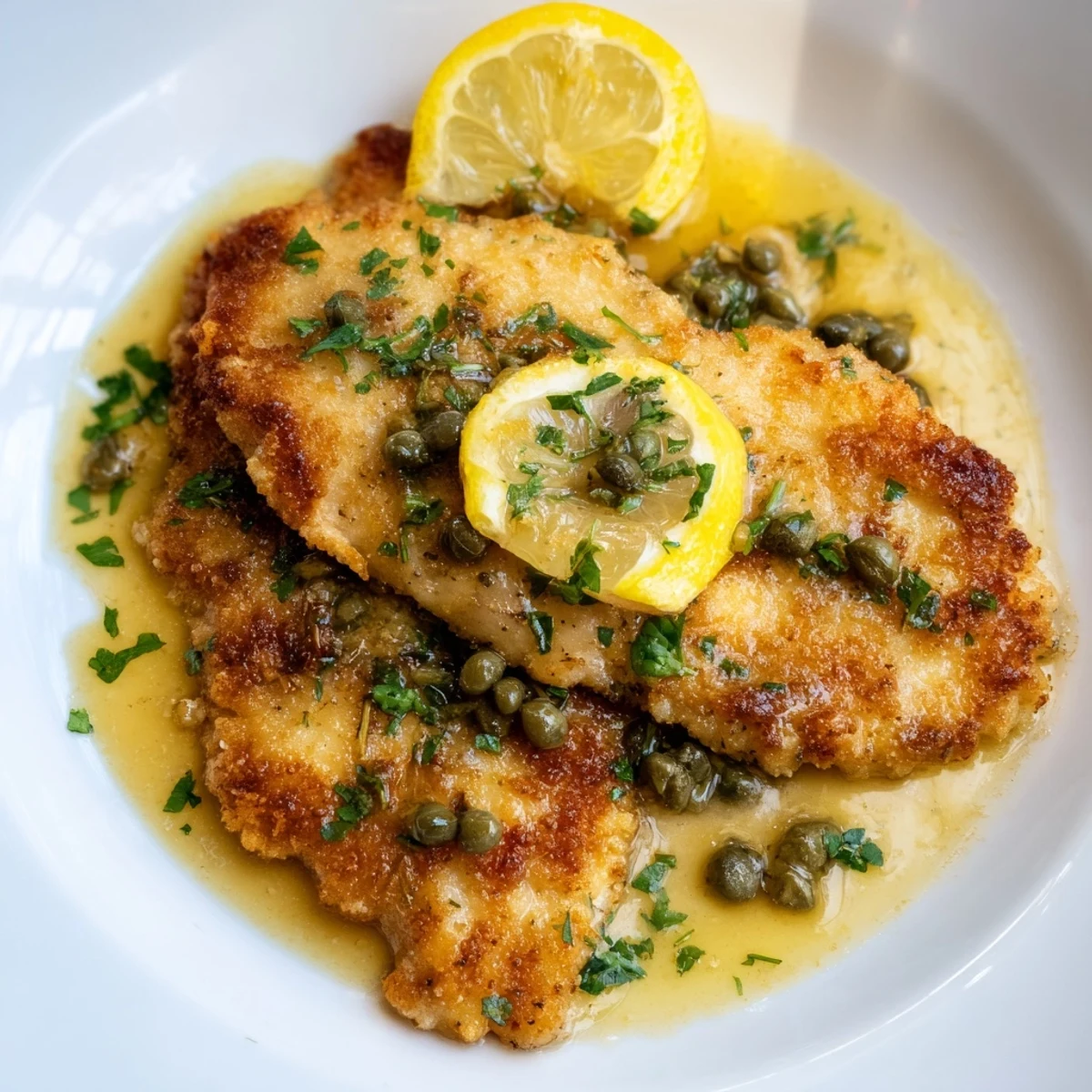
Save The first time I served this to someone I was trying to impress, they asked for the recipe before dessert. That moment when food stops being just sustenance and becomes a small gift—that's what keeps me coming back to this dish.
The Secret to Perfect Seared Chicken
Getting that golden crust comes down to one thing: letting the chicken sit undisturbed in the hot pan. Don't fuss with it, don't peek, just let the heat do its work. I used to flip and adjust constantly, thinking I was helping, but all I was doing was preventing that beautiful caramelization. Once I stopped fidgeting, the chicken transformed into something restaurant-quality right there on my stovetop.
Why Fresh Lemon Juice Matters
Bottled lemon juice tastes thin and hollow compared to fresh-squeezed, and in a sauce this simple, you notice every shortcut. I learned this the hard way by testing both, and the fresh version is so noticeably brighter that I now keep lemons on my counter just for this dish. The acidity cuts through the butter and makes the whole thing sing instead of sitting flat on your tongue.
Timing and Temperature Tips
This dish lives or dies by staying loose and flowing in the kitchen—rushing any step shows. Medium-high heat is your sweet spot; too hot and the butter burns, too cool and you don't get that crust. Once you nail this once, it becomes automatic, and that's when you'll realize why this dish has been a restaurant staple for decades.
- Pull the chicken off heat while it's still slightly underdone because residual heat keeps cooking it in the pan.
- Tent it with foil while making the sauce so it stays warm without drying out.
- Serve immediately after plating because this dish is best when everything is hot and the sauce is still glossy.
 Save
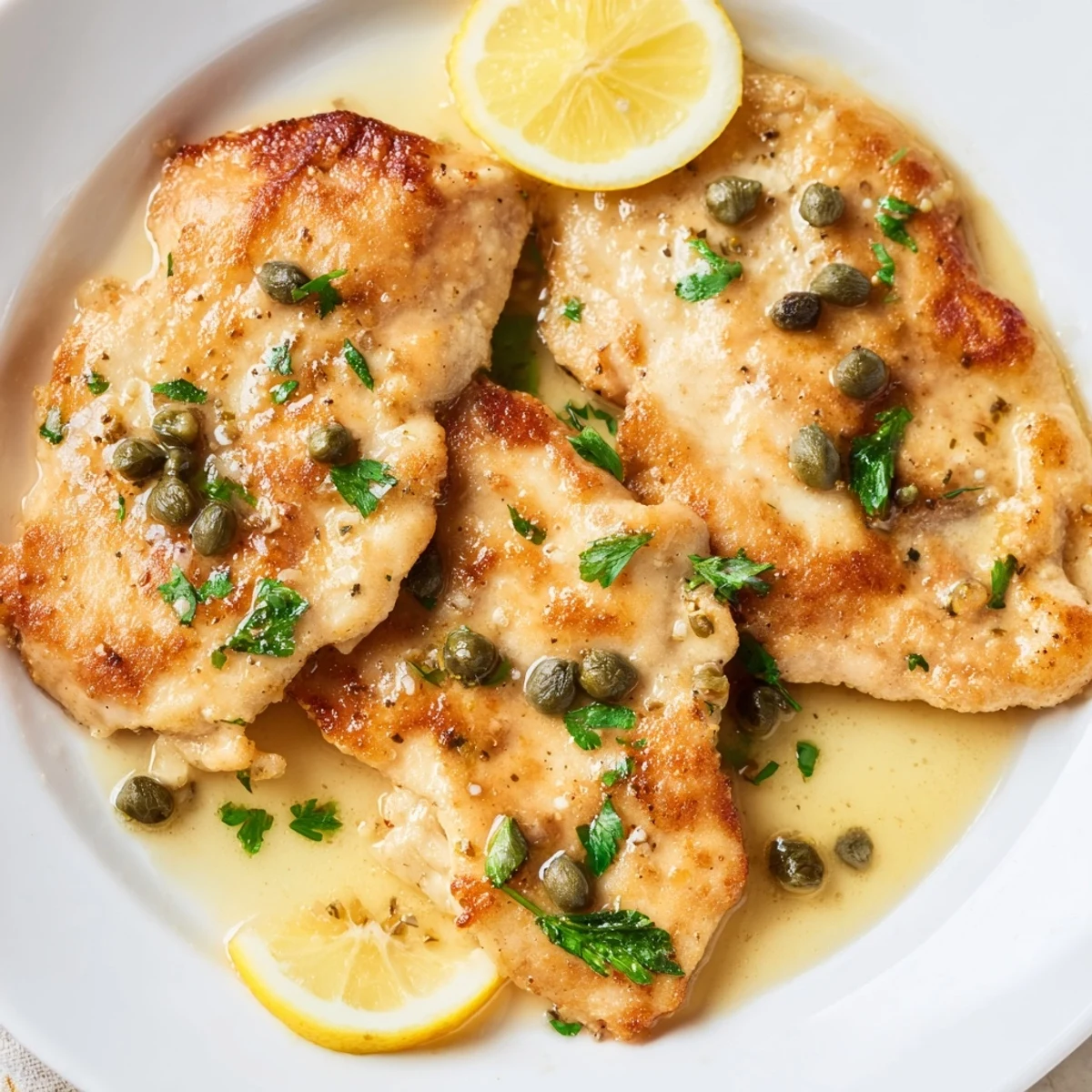
Save This is the kind of dinner that makes you feel capable in the kitchen without asking you to prove anything. Make it once and it becomes part of your regular rotation—the dish you turn to when you want something that tastes like care.
Recipe FAQs
- → What is the best way to pound chicken cutlets?
-
Place the chicken between two sheets of plastic wrap and use a meat mallet or rolling pin to pound it to an even ½-inch thickness for even cooking.
- → Can I substitute the white wine?
-
Yes, you can use an equal amount of low-sodium chicken broth instead of white wine for a non-alcoholic version.
- → How do I prevent the sauce from separating?
-
Remove the pan from heat before swirling in the cold butter pieces; this helps emulsify the sauce without breaking it.
- → What sides pair well with this dish?
-
Angel hair pasta, mashed potatoes, or steamed vegetables like asparagus and green beans complement the tangy sauce perfectly.
- → Is this dish gluten-free?
-
Traditional dredging uses flour, but you can make it gluten-free by substituting all-purpose flour with a gluten-free flour blend.