
 Save
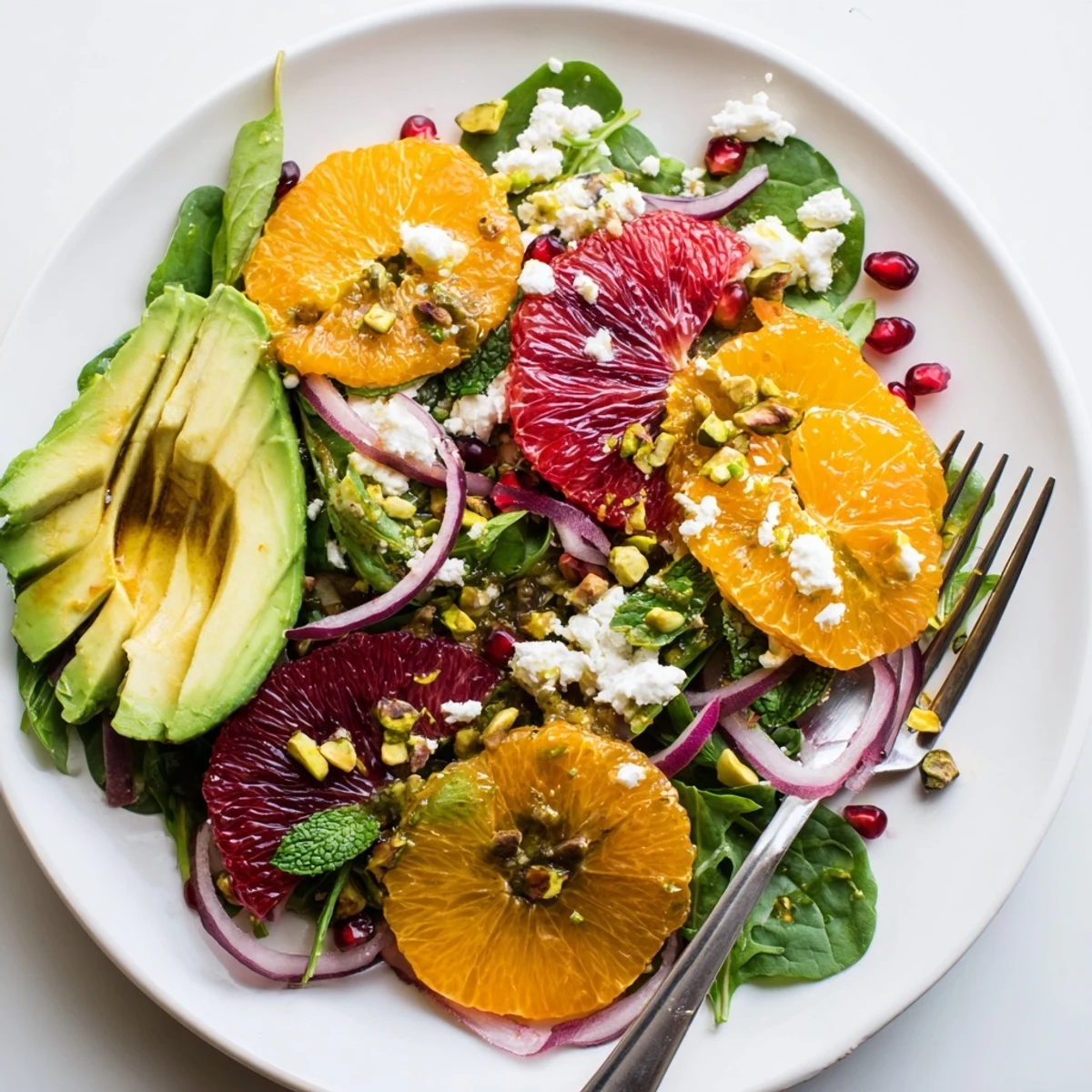
Save This vibrant Mediterranean salad brings together juicy orange and grapefruit segments with jewel-like pomegranate seeds for a stunning burst of color and freshness.
Creamy avocado slices and crumbled feta add rich, savory contrast, while a simple honey-lemon vinaigrette ties everything together.
Ready in just 20 minutes with no cooking required, it's an ideal starter or light meal that's both vegetarian and gluten-free.
The kitchen window was fogged up on a cold January afternoon when I decided that winter needed a proper rebellion. I had a bag of grapefruits sitting on the counter, completely ignored for a week, and a pomegranate I had bought on impulse because it looked like something out of a still life painting. Twenty minutes later, I was standing over a platter so colorful it barely seemed real, wondering why I had not been making this salad every single day of my life.
I brought this to a potluck dinner where everyone expected heavy comfort food, and it disappeared before the main course even made it to the table. My friend Elena stood by the platter eating it with her fingers, which I took as the highest compliment.
Ingredients
- Citrus fruits (2 large oranges, 2 large grapefruits, 1 blood orange if you can find one): The mix of different citrus gives you layers of sweetness and tartness, and the blood orange adds a stunning ruby tone.
- 1 ripe avocado: Creaminess is what ties everything together, so pick one that yields slightly when pressed but is not mushy.
- 1 small red onion: Thin slices add a sharp crunch that balances the soft fruit.
- Half a cup pomegranate seeds: These little bursts of juice are what make the salad feel celebratory.
- Half a cup feta cheese, crumbled: Salty and crumbly, it contrasts beautifully with the sweet fruit.
- 4 cups mixed greens: Arugula or baby spinach work best as a peppery or tender base.
- Dressing (3 tbsp olive oil, 1 tbsp lemon juice, 1 tsp honey, half tsp Dijon mustard, salt, pepper): A quick whisk brings together something tangy and just sweet enough.
- Garnish (fresh mint, toasted pistachios or walnuts): Completely optional but they add freshness and a welcome crunch.
Instructions
- Peel and slice the citrus:
- Cut the tops and bottoms off each fruit so they sit flat, then slice away the peel and white pith with downward strokes. Cut the fruit into rounds or segments, letting the juice pool on your board because that is liquid gold.
- Prepare the avocado:
- Halve it, remove the pit, and slice the flesh thinly right in the skin before scooping it out with a spoon so the slices hold their shape.
- Slice the red onion:
- Cut it as paper thin as you can manage, and if the bite feels too harsh, soak the slices in cold water for five minutes to tame them.
- Whisk the dressing:
- Combine olive oil, lemon juice, honey, Dijon mustard, salt, and pepper in a small bowl and whisk until it looks creamy and unified.
- Build the platter:
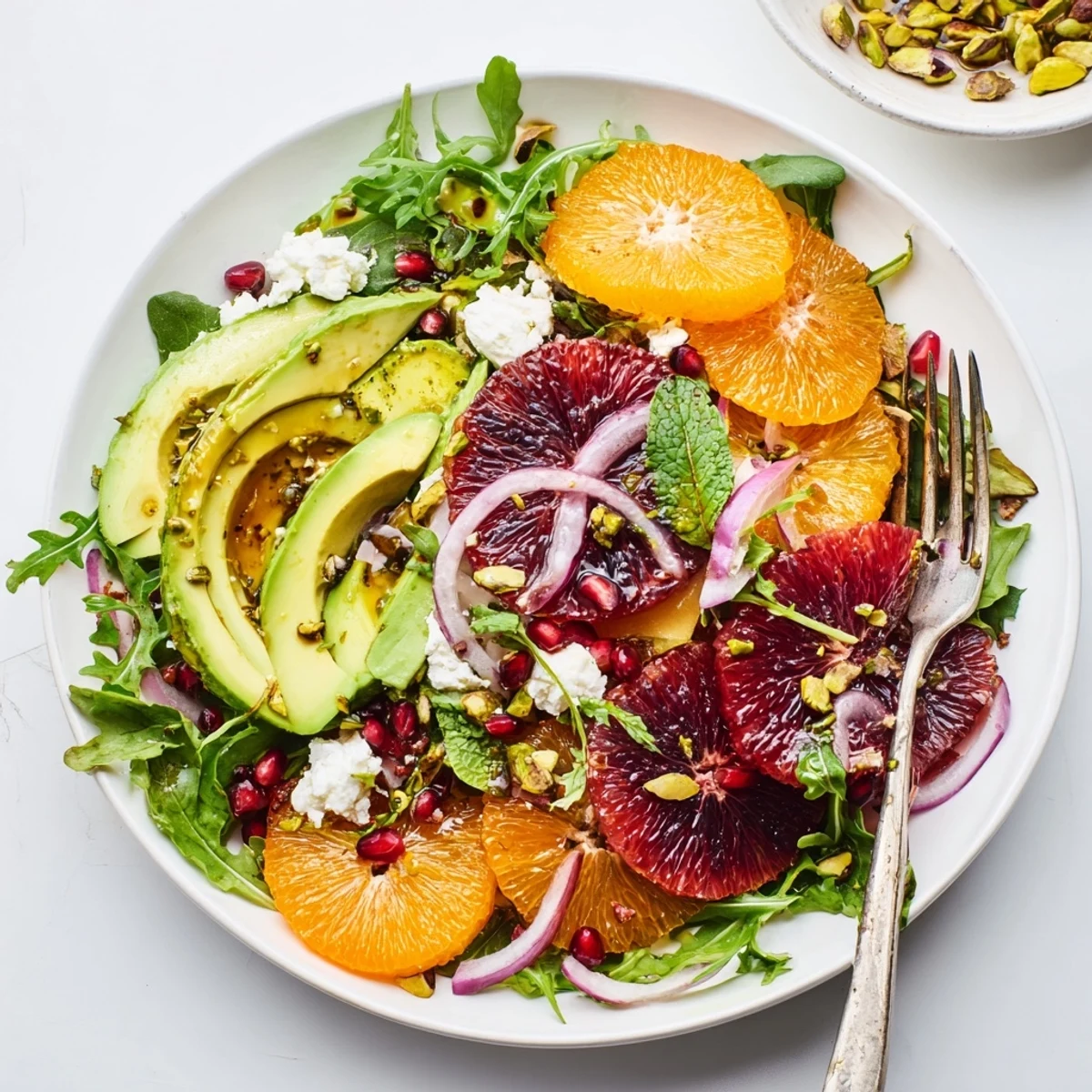
- Spread the greens on a large serving dish and layer citrus, avocado, and onion on top in whatever arrangement feels generous and loose.
- Add the finishing touches:
- Scatter pomegranate seeds and crumbled feta over everything, drizzle the dressing, and add mint and nuts if you are using them.
 Save
Save There is something about slicing open a pomegranate that makes you slow down and pay attention, picking out each seed carefully, hands stained pink. It turns a simple salad into a small act of care.
What to Serve It With
This salad stands on its own as a light lunch, but it also sits beautifully next to grilled chicken or shrimp if you want something more substantial. I have also served it alongside roasted vegetables and a loaf of crusty bread for a lazy weekend dinner that felt far fancier than the effort deserved.
Storing Leftovers
leftovers are best eaten within a few hours because the greens wilt and the avocado loses its brightness. If you must store it, keep the dressing separate and only dress what you plan to eat, which is honestly good advice for almost any salad.
Getting Creative
Once you have the basic formula down, this salad forgives almost any substitution or addition. Think of it as a template rather than a rule book.
- Try adding orange zest to the dressing for a concentrated hit of fragrance.
- Swap feta for goat cheese or skip it entirely for a dairy free version.
- A glass of crisp white wine or sparkling water with lemon turns this into a proper occasion.
 Save
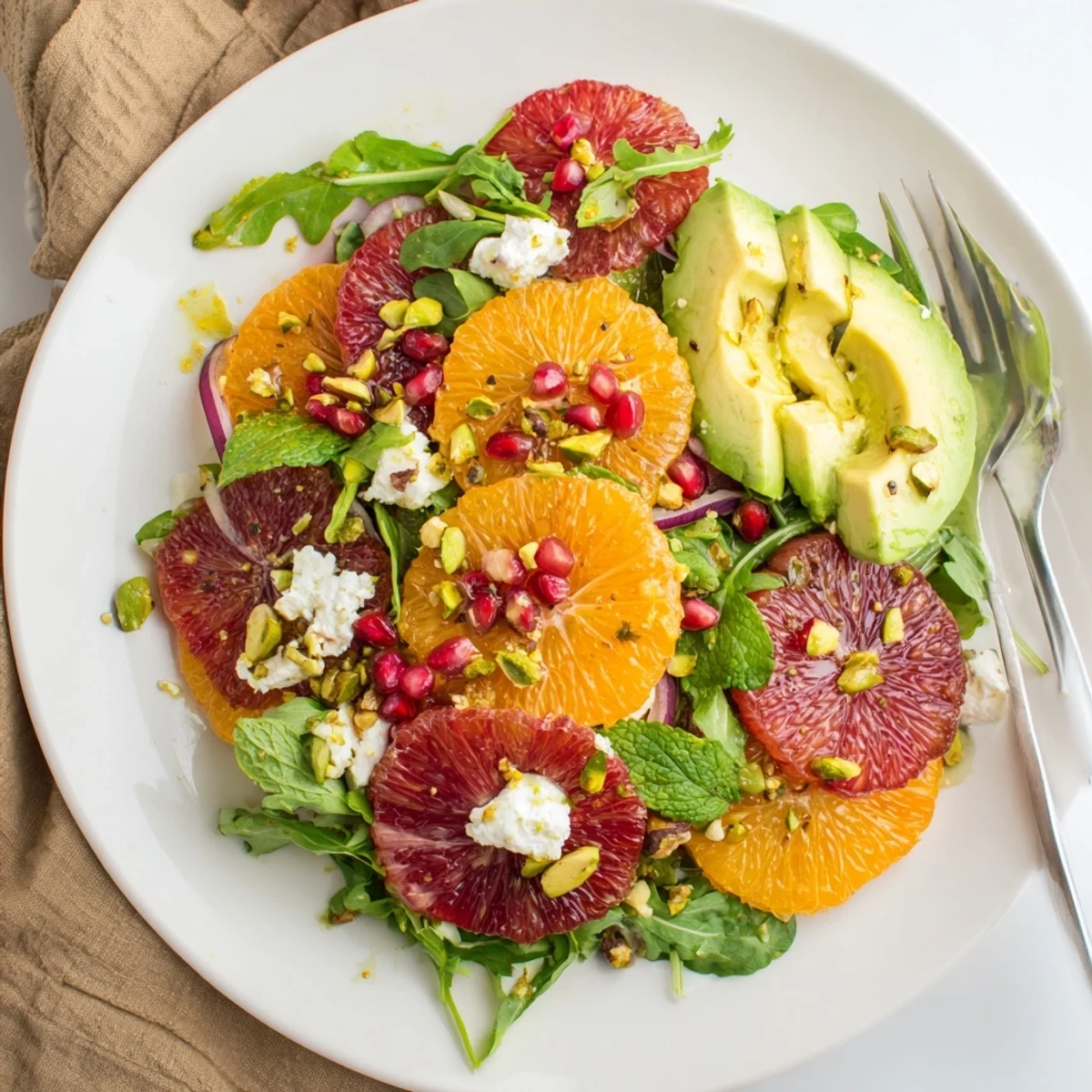
Save This salad is proof that the best food does not need heat, complicated technique, or expensive ingredients. Just fresh produce, a sharp knife, and twenty minutes of quiet attention.
Recipe FAQs
- → Can I prepare the citrus segments ahead of time?
-
Yes, you can peel and segment the citrus fruits up to a day in advance. Store them in an airtight container in the refrigerator to keep them fresh and juicy.
- → What's the best way to remove pomegranate seeds?
-
Cut the pomegranate in half and gently tap the back with a wooden spoon over a bowl. The seeds will fall out easily. Remove any white membrane pieces before adding them to the salad.
- → How do I keep the avocado from browning?
-
Slice the avocado just before serving and toss it lightly with a squeeze of lemon juice. The citric acid helps prevent oxidation and browning.
- → Can I make this salad vegan?
-
Absolutely. Replace the honey with maple syrup in the dressing and either omit the feta or use a plant-based feta alternative. The salad remains delicious and satisfying.
- → What citrus fruits work best in this salad?
-
Naval oranges, ruby grapefruits, and blood oranges are excellent choices. Mix different varieties for a beautiful range of colors and a balance of sweet and tangy flavors.
- → How should I store leftovers?
-
Store leftover salad in an airtight container in the refrigerator for up to one day. The avocado may brown slightly and the greens may wilt, so it's best enjoyed fresh.