
 Save
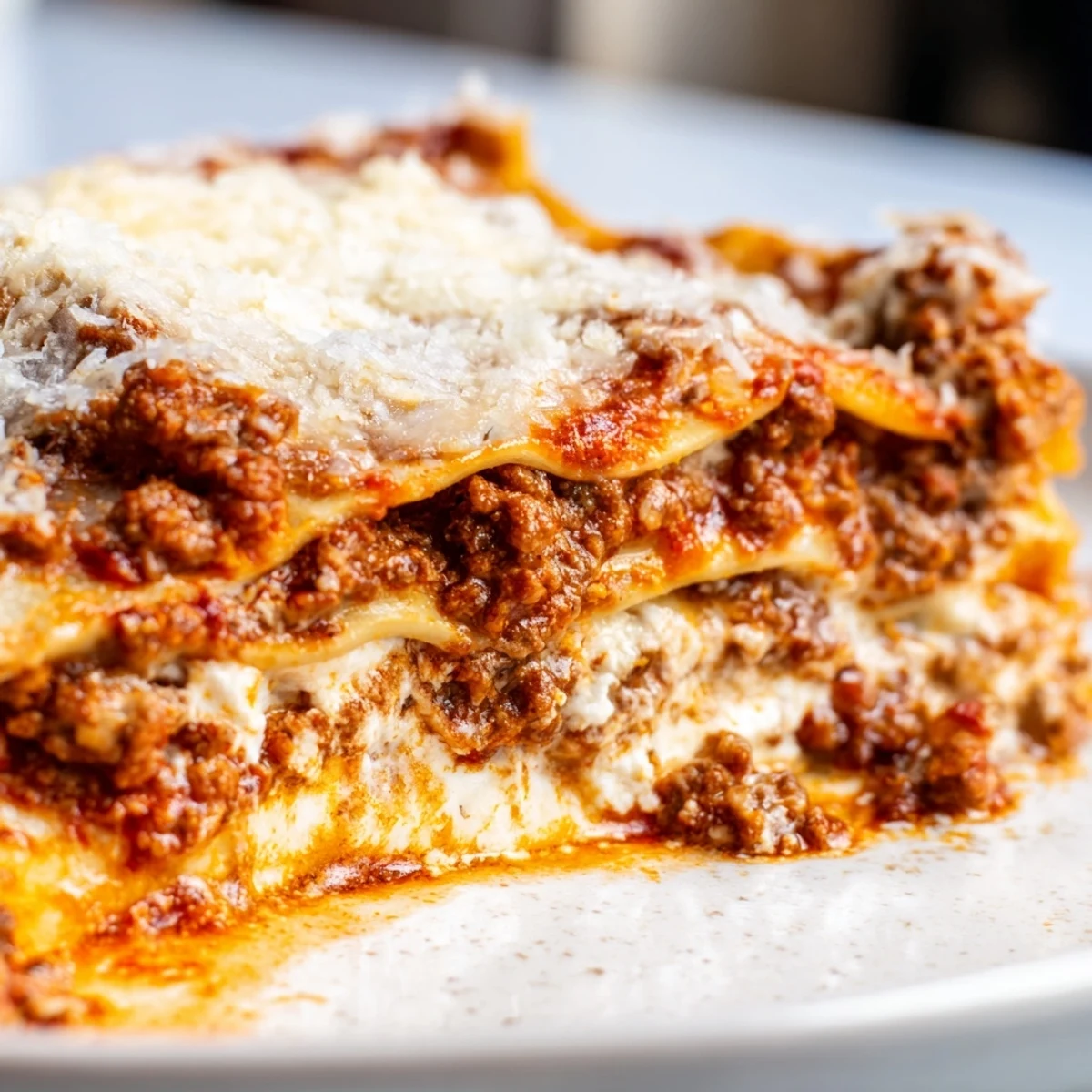
Save This classic Italian dish features tender ground beef simmered with tomatoes and herbs, layered between no-boil noodles and creamy béchamel sauce. Rich ricotta, melted mozzarella, and Parmesan cheeses create a luscious texture. Baked until bubbling and golden, it offers comforting flavors perfect for family meals. A rich sauce and careful layering make each slice satisfying and flavorful. Let rest before serving to achieve optimal texture and taste.
My grandmother's kitchen always smelled like this lasagna—that warm, earthy blend of tomatoes and basil simmering on the stove while she layered noodles with the precision of someone building something that would feed her whole family. I spent years watching her move through each step without a recipe, her hands knowing exactly when the sauce was right, when the béchamel had thickened enough. The first time I made it alone, I was terrified I'd mess it up, but the moment that golden bubbly dish came out of the oven, I realized she'd taught me something deeper than just cooking.
I made this for my partner the second time we tried cooking together, and he kept sneaking tastes of the meat sauce before it was even done. We ended up laughing so hard at his impatience that I nearly burned the béchamel, but somehow it all came together beautifully. That dish became our thing—proof that even when we weren't perfect, the food still tasted like home.
Ingredients
- Olive oil: Use good quality here—you taste it in the soffritto base, and it sets the whole flavor trajectory.
- Ground beef: Don't go too lean; fat is flavor, and it keeps the sauce silky and rich.
- Crushed tomatoes: Canned San Marzano is my constant—that bright acidity cuts through the richness perfectly.
- Tomato paste: A small amount concentrated does more than a bigger splash of sauce ever could.
- Dried oregano and basil: The backbone of Italian flavor; dried is actually traditional here and tastes authentic.
- Unsalted butter: For the béchamel, it gives you control over the final salt level.
- All-purpose flour: Creates the roux that thickens everything into silky cream.
- Whole milk: Full-fat milk makes the béchamel luxurious; don't skimp here.
- Ground nutmeg: Just a whisper—it's the secret note that makes people pause and say, what is that?
- No-boil lasagna noodles: They save time and actually absorb moisture from the sauces beautifully.
- Ricotta cheese: Dolloped, not spread—it keeps little pockets of tenderness between the layers.
- Mozzarella cheese: Shredded, not pre-shredded if you can manage it; it melts more evenly.
- Parmesan cheese: Freshly grated makes a real difference in depth and texture.
Instructions
- Get your oven ready and start the sauce:
- Preheat to 375°F (190°C)—this temperature is the Goldilocks zone for lasagna, hot enough to cook through but gentle enough not to brown the top before the inside sets. While it warms, heat olive oil in a large skillet over medium heat until it shimmers slightly.
- Build the flavor base:
- Add your chopped onion and let it soften for about 4 minutes, until it turns translucent and sweet. The kitchen will smell wonderful already. Add minced garlic and cook just 1 minute more—you want it fragrant, not brown.
- Brown the beef:
- Crumble the ground beef into the pan, breaking it into small pieces as it cooks. Listen for that sizzle; it means the meat is caramelizing. Once it's browned through with no pink remaining, spoon off any excess fat—this isn't about being virtuous, it's about not making the sauce greasy.
- Bring everything together:
- Stir in the crushed tomatoes, tomato paste, oregano, basil, salt, pepper, sugar, and water. The sugar isn't about sweetness; it balances the acid from the tomatoes so the sauce tastes round and complete. Bring it to a simmer and let it bubble gently, uncovered, for 20–25 minutes, stirring now and then.
- Make the béchamel while the sauce simmers:
- In a separate saucepan, melt butter over medium heat. Once it's foaming, sprinkle in the flour all at once and stir constantly for 1–2 minutes—you're cooking out the raw flour taste and creating a pale golden roux. It should smell nutty and toasted, never brown.
- Add the milk slowly:
- Pour in about 1/4 cup of milk and whisk hard to break up any lumps before adding more. Keep whisking as you gradually add the rest, always giving the roux time to incorporate each addition. This is the step people rush, and it's where lumps happen—patience wins here.
- Season and thicken:
- Keep stirring over medium heat until the béchamel coats the back of a spoon, about 5–7 minutes total. Add the nutmeg, salt, and white pepper—the white pepper disappears visually but adds a subtle heat that deepens everything.
- Start layering in your baking dish:
- Spread a thin layer of meat sauce across the bottom of your 9x13-inch baking dish—this prevents sticking and gives the bottom of your lasagna flavor. Lay noodles over the sauce, breaking them to fit if you need to.
- Build the first real layer:
- Spread 1/3 of the béchamel over the noodles, then 1/3 of the meat sauce on top. Drop small dollops of ricotta here and there—don't spread it; let it create little pools of creaminess. Sprinkle mozzarella and Parmesan over everything.
- Repeat the layers twice more:
- Noodles, béchamel, meat sauce, ricotta dollops, cheese. Your final layer should be noodles topped with the remaining sauces and a generous handful of cheese—this is what turns golden and bubbles at the edges.
- The covered bake:
- Cover the dish tightly with foil and slide it into your preheated oven for 30 minutes. The foil keeps the cheese from browning too fast while the lasagna heats through and the flavors start to meld.
- The golden finish:
- Remove the foil and bake for another 15–20 minutes until the top is golden and you can see sauce bubbling up the sides. The bubbling is your signal that everything is hot all the way through and the cheese has set into a light crust.
- Rest before you slice:
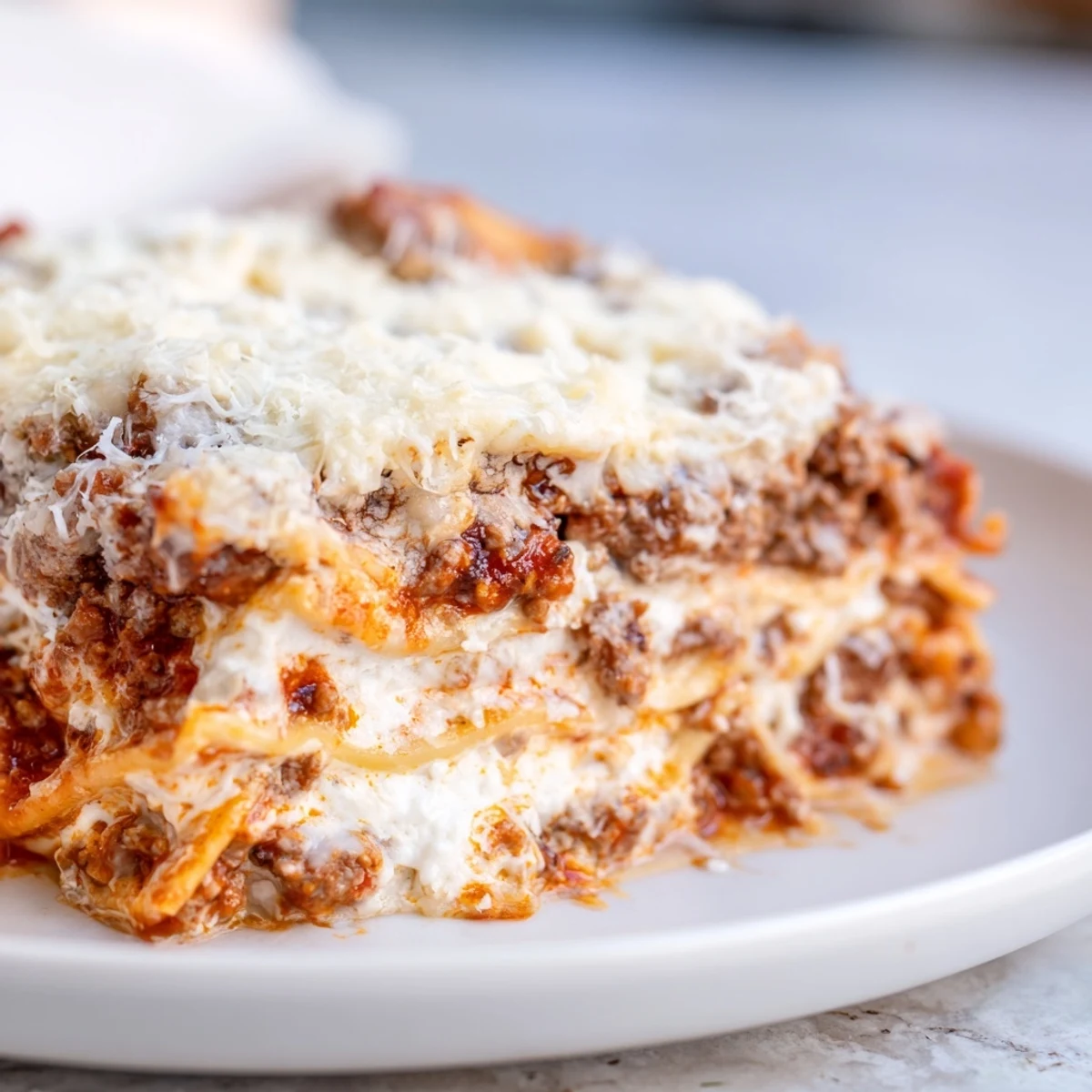
- Let the lasagna sit for 10–15 minutes after it comes out of the oven. This sounds boring, but it's when the layers set enough to stay together when you cut them. I learned this the hard way, slicing too soon and watching everything collapse into cheese soup.
 Save
Save There's a moment, usually around day two when I eat a cold slice straight from the fridge, that I realize this dish is actually better than when it came out of the oven—the flavors have settled into each other, the layers hold together perfectly, and every bite tastes intentional. That's when I know the whole project was worth it.
Why This Recipe Works
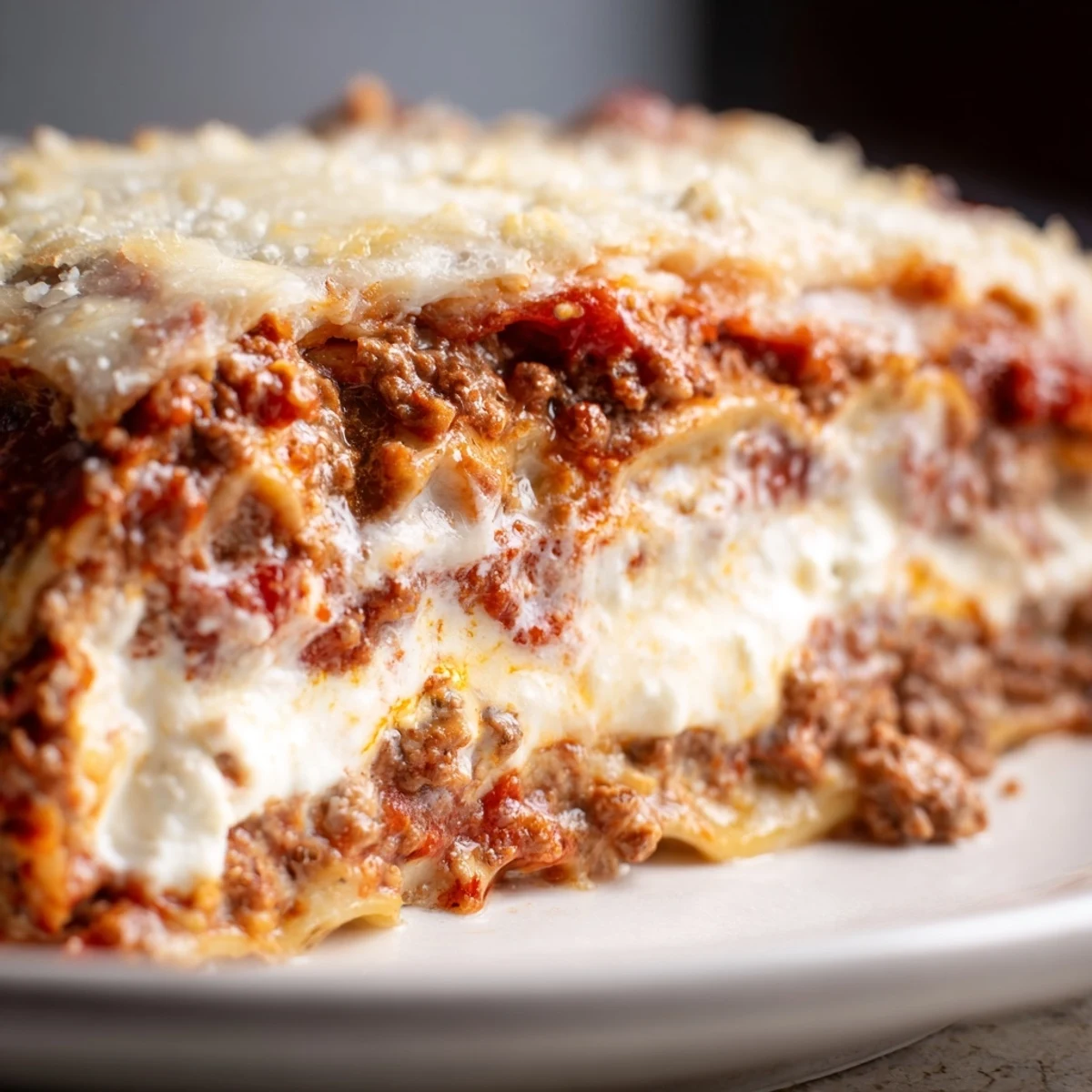
Lasagna is really three things done well—a deeply flavored meat sauce, a silky béchamel that binds everything together, and cheese that melts into the whole composition. When you respect each component and don't rush any step, they turn into something greater than themselves. The long simmer on the sauce concentrates flavors and lets the spices bloom; the béchamel adds richness and prevents the dish from being dry; and the layers mean every bite has a bit of everything.
Variations and Additions
This is a classic for a reason, but it's also forgiving. Add 1/4 cup of red wine to the meat sauce when you first add the tomatoes—it adds depth and sophistication without changing the structure. Some people swear by a handful of finely chopped mushrooms added to the beef, which deepens the umami. A few leafy spinach stirred into the ricotta adds color and nutrition, though traditionalists will argue about that one.
Serving and Storage
Serve this with a crisp green salad dressed simply with vinaigrette and good bread for soaking up the sauce. A glass of Chianti or Sangiovese alongside makes it feel like a real Italian dinner, even if you're eating at your kitchen table. Leftovers keep beautifully in the fridge for three or four days and actually improve; you can reheat individual portions gently in the oven or microwave without much loss. It also freezes exceptionally well for up to three months—wrap it tightly after it's cooled, and thaw in the fridge overnight before reheating.
- Pair with fresh parsley or basil scattered on top right before serving for brightness and freshness.
- Don't skip the resting time—those 10–15 minutes make the difference between sloppy and sliceable.
- Make it a day ahead if you can; the flavor integration overnight is real and noticeable.
 Save
Save This lasagna has fed my family through seasons, celebrations, and ordinary weeknights when we all just needed something warm and generous on our plates. That's the real magic of it.
Recipe FAQs
- → How do I make the meat sauce rich and flavorful?
-
Sauté onions and garlic in olive oil until soft, then brown ground beef. Add crushed tomatoes, tomato paste, herbs, and a pinch of sugar. Simmer uncovered to deepen flavors. For extra richness, add a splash of red wine when cooking the beef.
- → What is the purpose of the béchamel sauce in the dish?
-
Béchamel adds creamy texture and balances the acidity of the meat sauce. It also creates a smooth, velvety layer that enriches every bite between the noodle layers.
- → Can I prepare the dish ahead of time?
-
Yes, assemble it fully and refrigerate before baking. Baking time may increase slightly if starting from chilled. Allow to rest after baking for better slicing consistency.
- → What cheeses work best in this layered dish?
-
A combination of ricotta for creaminess, shredded mozzarella for meltiness, and grated Parmesan for sharpness creates a balanced cheesy flavor and texture.
- → How should I bake it for best results?
-
Cover the dish with foil for the first 30 minutes to retain moisture, then uncover for the last 15–20 minutes to brown and bubble the cheese topping evenly.
- → Can I substitute other meats for beef?
-
Yes, ground turkey or pork can be used to vary the flavor profile while maintaining the dish's hearty quality.