
 Save
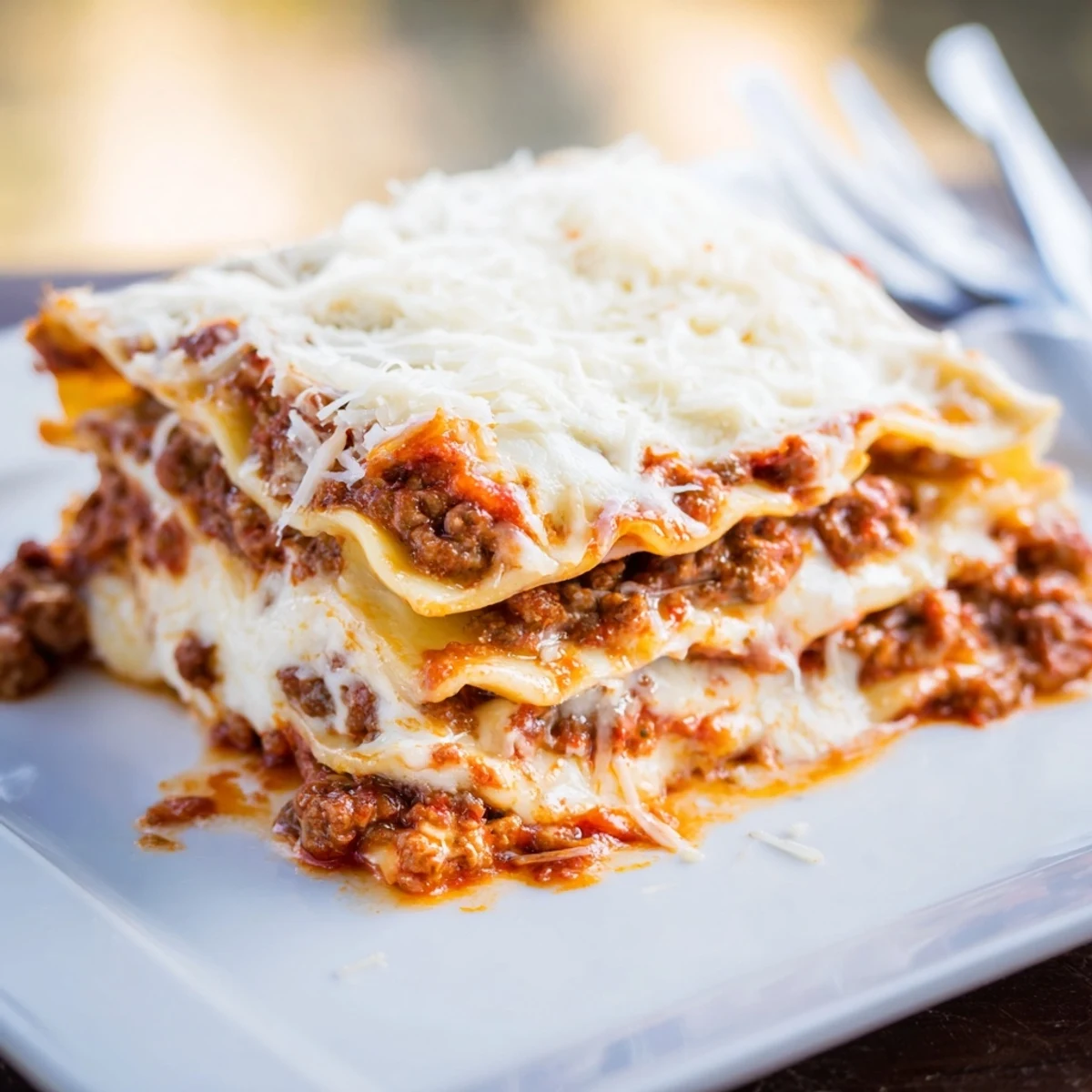
Save This traditional Italian lasagna brings together three essential components: a savory meat sauce simmered with aromatic herbs, a velvety white béchamel infused with nutmeg, and layers of tender noodles cocooned in melted mozzarella and Parmesan. The dish requires patience but rewards with deeply developed flavors—each layer contributes its unique character, from the tangy tomato base to the silky cream sauce that bridges the gaps between noodles. Letting the assembled dish rest before serving is crucial, allowing those distinctive layers to set for clean, picture-perfect slices.
There was a tiny apartment kitchen in Rome where I first watched someone make lasagna properly, no shortcuts, everything from scratch while the windows fogged up from all the simmering pots. The smell of onions and garlic hitting olive oil at just the right moment stuck with me more than any cooking class I have ever taken. Now whenever I make this recipe, that memory comes back every single time.
I once made a triple batch for my brothers birthday and had lasagna stacked in every corner of my fridge, cooling on every counter surface. The house smelled like an Italian grandmother had moved in for the weekend. Nobody complained about having lasagna for breakfast the next morning either.
Ingredients
- Olive oil: Use a decent quality extra virgin here since it is the foundation of your meat sauce flavor
- 1 large onion: Finely chopped so it melts into the sauce rather than staying in distinct chunks
- 2 garlic cloves: Minced fresh, nothing jarred or pre chopped if you can help it
- 500 g ground beef: Not too lean or you will miss out on all that flavor and richness in the sauce
- 400 g canned crushed tomatoes: Whole San Marzano tomatoes crushed by hand are even better if you have time
- 2 tablespoons tomato paste: This concentrates the tomato flavor and gives the sauce that deep red color
- 1 teaspoon dried oregano: Rub it between your fingers before adding to wake up the oils
- 1 teaspoon dried basil: Fresh basil at the end is nice but this dried version carries through the long cooking time
- 1 teaspoon salt and ½ teaspoon black pepper: Adjust to your taste but do not skip the seasoning
- ½ teaspoon sugar: Just enough to balance the acidity of the tomatoes without making the sauce sweet
- 100 ml water: Helps the sauce simmer down to the perfect consistency
- 50 g unsalted butter: Unsalted lets you control exactly how much salt goes into your béchamel
- 50 g all-purpose flour: This is what makes the sauce thick and creamy
- 700 ml whole milk: Warmed slightly so it does not shock the roux when you add it
- ¼ teaspoon ground nutmeg: The secret ingredient that makes béchamel taste professional
- ½ teaspoon salt and ¼ teaspoon white pepper: White pepper keeps the sauce looking pristine and white
- 9-12 dried lasagna noodles: No boil noodles save time but traditional ones have a better texture
- 200 g shredded mozzarella: Low moisture mozzarella gives you that perfect cheese pull without too much water
- 60 g grated Parmesan: Freshly grated melts better and has way more flavor than the pre grated stuff
Instructions
- Get your oven ready:
- Preheat to 180°C (350°F) and clear some space on your counter for assembly.
- Start the meat sauce:
- Heat olive oil in a large skillet over medium heat. Add onion and cook until translucent, about 5 minutes, before adding garlic for just 1 minute until fragrant.
- Brown the beef:
- Add ground beef and break it up with your spoon, cooking until it is completely browned and no longer pink.
- Build the sauce:
- Stir in crushed tomatoes, tomato paste, oregano, basil, salt, pepper, sugar, and water. Let it simmer uncovered for 20-25 minutes, stirring occasionally, until it thickens nicely.
- Make the roux:
- Melt butter in a saucepan over medium heat. Whisk in flour and cook for 1-2 minutes, but do not let it brown or your béchamel will taste off.
- Add the milk:
- Gradually pour in warmed milk while whisking constantly. This is the moment to be patient and thorough to prevent any lumps from forming.
- Thicken the sauce:
- Cook and stir for about 5-7 minutes until the sauce coats the back of a spoon. Stir in nutmeg, salt, and white pepper, then remove from heat.
- Prep the noodles:
- Cook lasagna noodles according to package directions if you are not using no boil noodles. Drain them well and lay them flat so they do not stick together.
- Start layering:
- Spread a thin layer of meat sauce in the bottom of a 23x33 cm baking dish. This keeps the noodles from sliding around.
- Build the layers:
- Arrange noodles over the sauce. Top with one third of the meat sauce, one third of the béchamel, and sprinkle with mozzarella and Parmesan. Repeat twice more, ending with béchamel and cheese on top.
- Bake covered:
- Cover with foil and bake for 30 minutes to let everything meld together.
- Get it golden:
- Remove foil and bake another 15-20 minutes until the top is beautifully golden and bubbling around the edges.
- The hardest part:
- Let the lasagna stand for 15 minutes before slicing. This waiting time is essential for clean serving portions.
 Save
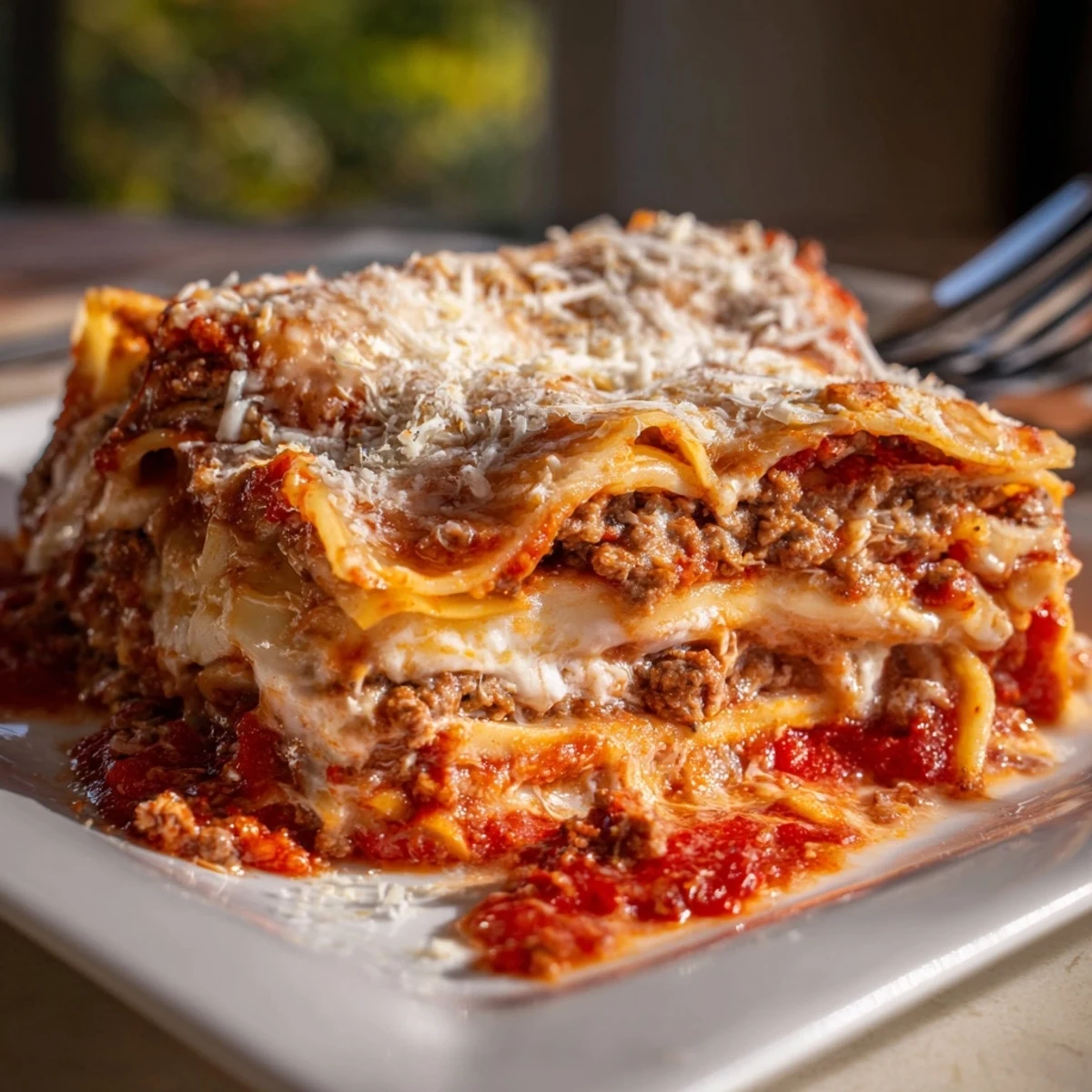
Save This lasagna showed up at every family gathering for years until it became known as the recipe everyone requested but nobody else wanted to make. That is actually fine with me, some recipes are worth the effort and this one absolutely is.
Making It Ahead
Lasagna is one of those rare dishes that actually improves with time. You can assemble it the day before and keep it in the refrigerator, covered tightly. Just add about 10 minutes to the covered baking time if it is going into the oven cold from the fridge.
Freezing Instructions
Wrap your assembled lasagna tightly in plastic wrap and then foil before freezing. It will keep for up to three months. Thaw overnight in the refrigerator before baking, or bake from frozen at 160°C (325°F) for about 90 minutes covered, then uncovered until bubbly.
Serving Suggestions
A simple green salad with a bright vinaigrette cuts through all that rich cheese and meat sauce beautifully. Garlic bread is never a bad idea either.
- Let people add extra red pepper flakes at the table if they like heat
- A glass of Chianti or any medium bodied red wine pairs perfectly
- Small portions go a long way, this is filling stuff
 Save
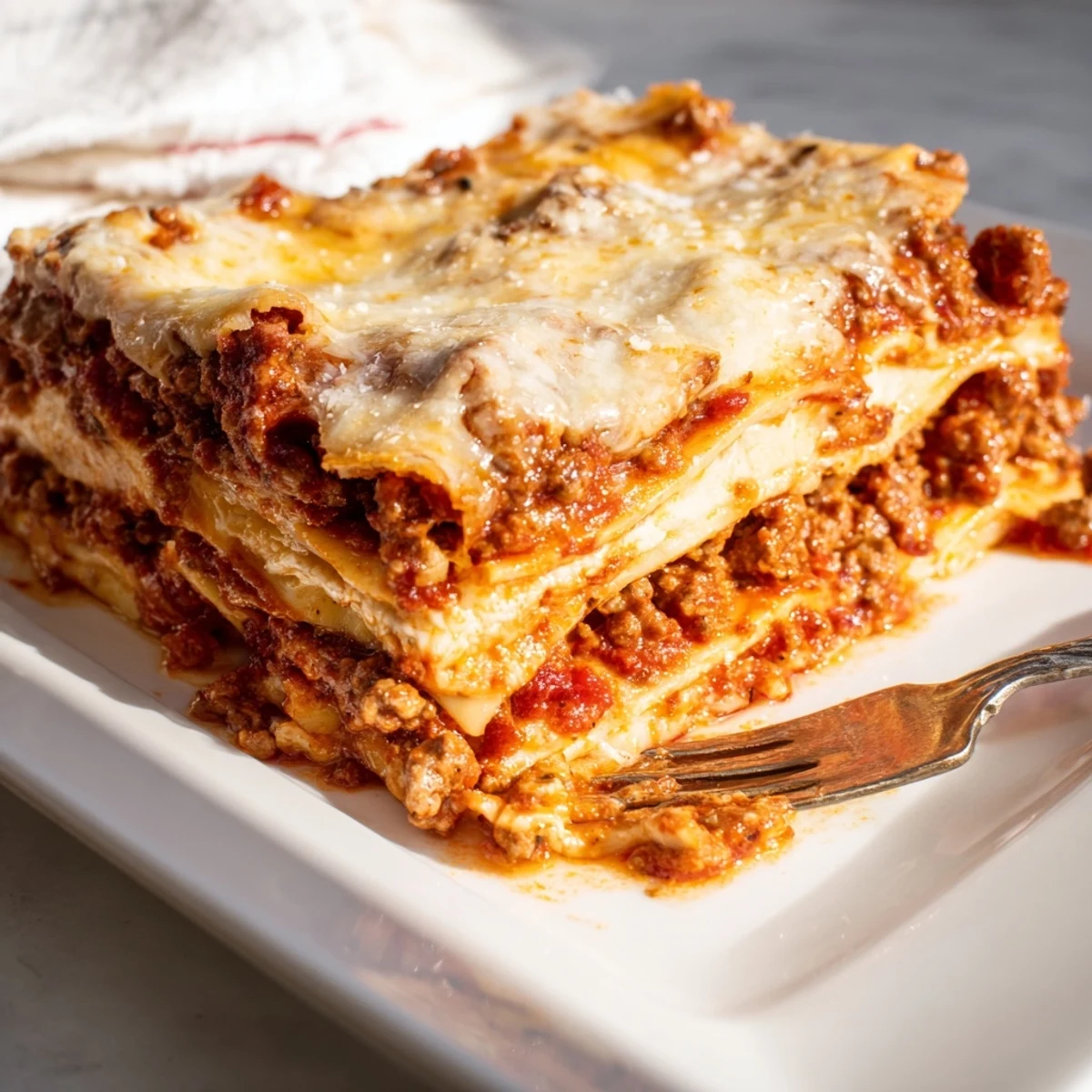
Save There is something deeply satisfying about pulling a bubbling golden lasagna out of the oven, knowing you made every single component from scratch. This is the kind of recipe that becomes part of your story.
Recipe FAQs
- → Can I make this lasagna ahead of time?
-
Absolutely. Assemble the entire dish up to 24 hours in advance, cover tightly, and refrigerate. Add 10-15 minutes to the baking time if baking cold. You can also freeze unbaked lasagna for up to 3 months.
- → What's the difference between no-boil and regular noodles?
-
No-boil noodles are precooked and dehydrated, absorbing moisture from the sauces during baking. Regular noodles need par-boiling before layering. Both work well here—no-boil saves time while regular noodles offer a slightly more tender texture.
- → Can I substitute the béchamel with ricotta?
-
Yes, ricotta is common in American-style lasagna. However, traditional Italian lasagna uses béchamel for its silky, creamy consistency that binds layers together. The béchamel creates a smoother texture compared to ricotta's grainier quality.
- → Why is resting time important before serving?
-
Resting allows the sauces to set and the cheese to firm slightly, ensuring clean layers when sliced. Cutting too soon results in sliding layers and a soupy presentation. Fifteen minutes is the minimum, but twenty yields even better structure.
- → Can I add vegetables to the meat sauce?
-
Certainly. Diced carrots, celery, or bell peppers can be sautéed with the onions for extra depth. Mushrooms, spinach, or zucchini work well too—just sauté them separately to avoid excess moisture in the sauce.
- → What type of cheese works best for the top layer?
-
A combination of shredded mozzarella for melt and grated Parmesan for savory depth creates the ideal topping. The mozzarella bubbles and browns beautifully while Parmesan adds umami richness. Provolone or fontina can partially replace mozzarella for a more complex flavor.