
 Save
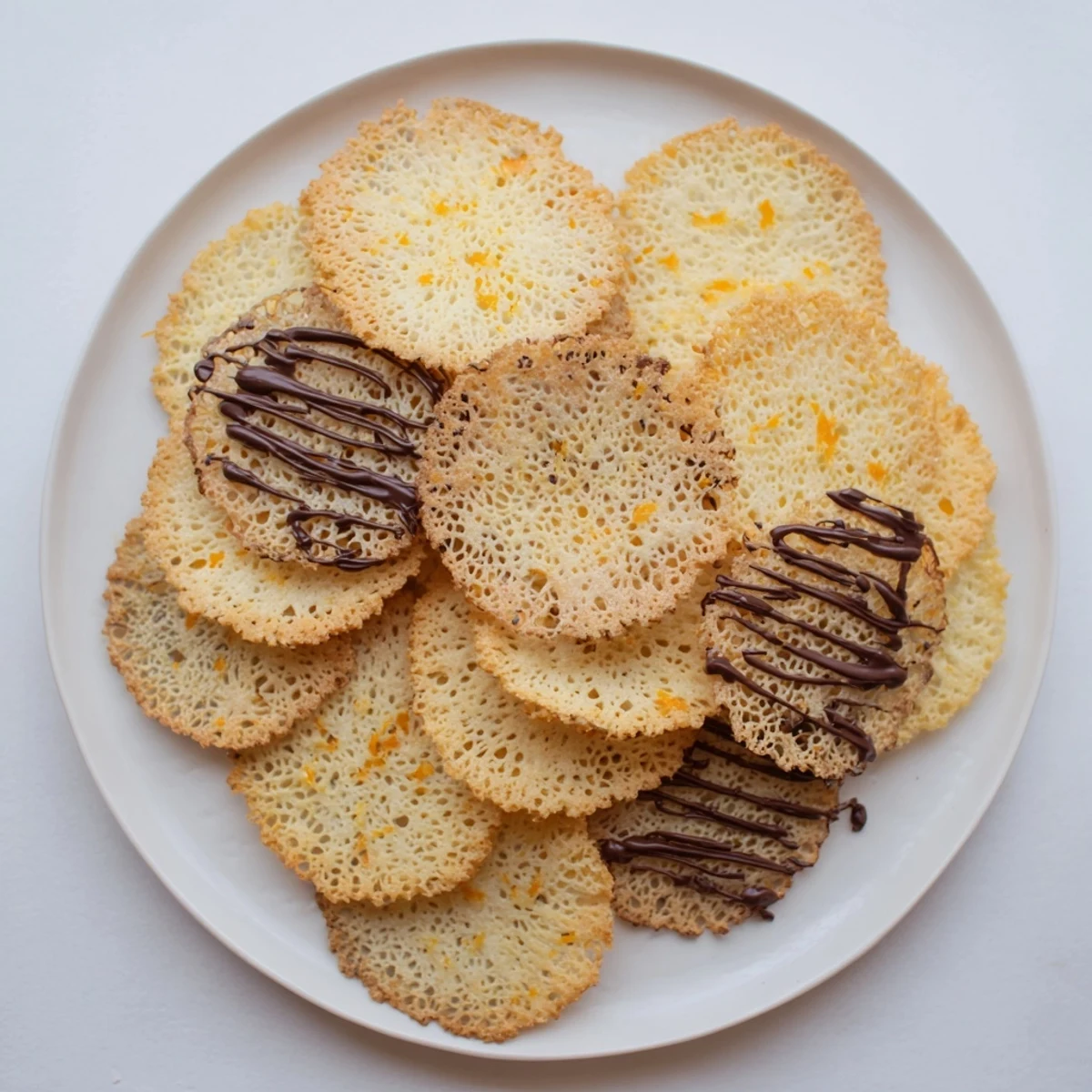
Save These delicate orange-infused treats feature an incredibly thin, crispy texture with beautiful lacy edges. The batter spreads dramatically during baking, creating intricate patterns that look stunning on any serving plate. Fresh orange zest provides bright citrus notes while vanilla adds warmth. Each cookie shatters satisfyingly when bitten, revealing a light, melt-in-your-mouth experience. The optional dark chocolate drizzle adds rich contrast to the bright citrus flavors. Perfect alongside afternoon tea or as a sophisticated ending to dinner.
The first time I made these orange lace cookies, I stood by the oven door completely mesmerized. They spread into these impossibly thin, golden webs with delicate holes like lace, and the whole kitchen filled with this bright citrus perfume that made me forget I was supposed to be cleaning up.
I brought a batch to my mothers book club last spring, and honestly, the conversation stopped completely when I set the plate down. One of her friends actually asked if I had flown them in from some specialty bakery in Paris, which might be the best compliment I have ever received in my entire life.
Ingredients
- 1/2 cup all-purpose flour: This small amount creates those signature lacy holes as the cookies spread, so do not be tempted to add more
- 1/4 teaspoon fine sea salt: A tiny pinch that makes all that sugar sing and balances the bright orange zest
- 1/2 cup unsalted butter, melted: Melted butter helps these spread thin and develop that delicate crispness we are after
- 1 cup granulated sugar: The sugar not only sweetens but creates that gorgeous caramelized lace pattern as it bakes
- 1 large egg: Room temperature egg incorporates better and helps bind everything without making the cookies tough
- 2 tablespoons whole milk: Just enough liquid to create a pourable batter that spreads beautifully
- Zest of 1 large orange: Use a microplane and really press into the orange to get those fragrant oils, not just the skin
- 1 teaspoon pure vanilla extract: Always pure, never imitation, because we want that warm floral note to come through
- 2 ounces dark chocolate, melted: The chocolate is optional but honestly, orange and dark chocolate is one of those classic pairings that just works
Instructions
- Prep your baking space:
- Preheat oven to 350 degrees and line two baking sheets with parchment paper, making sure the paper lies completely flat since these cookies spread dramatically
- Mix the dry foundation:
- Whisk together the flour and salt in a medium bowl until they are one uniform mixture
- Build the wet base:
- Combine the melted butter and sugar in a large bowl, whisking until the mixture looks smooth and glossy
- Add the aromatic elements:
- Whisk in the egg, milk, orange zest, and vanilla until everything is fully incorporated and the mixture smells incredible
- Combine it all:
- Fold the dry ingredients into the wet mixture just until no flour streaks remain, and do not worry that the batter is quite thin
- Space them generously:
- Drop rounded teaspoons of batter onto the prepared sheets, leaving at least 3 inches between each one because they will spread much more than you expect
- Watch them transform:
- Bake for 7 to 9 minutes until the edges turn golden brown and you can see that lacy pattern forming across the surface
- Handle with care:
- Let them rest on the baking sheet for exactly 2 minutes to set slightly before using a thin spatula to transfer them to a wire rack
- Add the finishing touch:
- Once completely cool, drizzle or dip the cookies in melted dark chocolate and let it set before serving
 Save
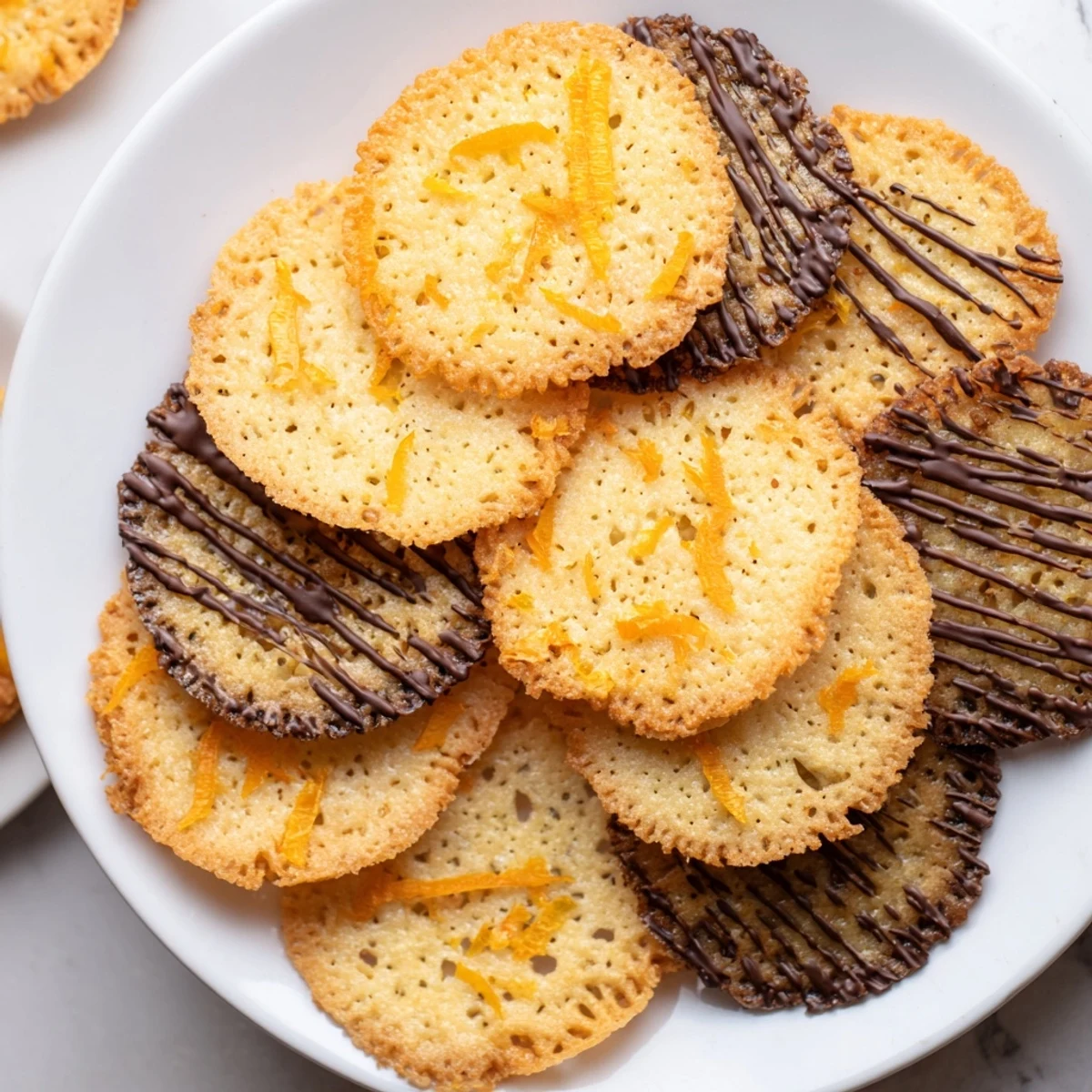
Save My daughter helped me make a batch last Sunday, and we made a game of seeing who could drizzle the most artistic chocolate patterns on top of the cooled cookies. Naturally, hers looked better than mine, and she has been asking to make them again every single day since.
Getting The Perfect Spreads
The spacing between your cookies is absolutely critical here. I learned this the hard way when my first batch all merged together into one giant lace sheet that I had to break apart into jagged pieces, which actually looked kind of rustic and beautiful but was not exactly what I was going for.
Working With The Delicate Texture
These cookies are wonderfully fragile, almost like thin candy, so use the lightest touch possible when transferring them. I have found that letting them cool completely on the baking sheet before moving them gives them the structural integrity they need to survive the journey to the serving plate.
Storage And Serving
Store them in an airtight container with parchment paper between layers to prevent sticking, and they will stay perfectly crisp for up to five days at room temperature.
- A pinch of ground cardamom or ginger in the batter adds this lovely warmth that is perfect for fall and winter baking
- These are delicate, so pack them carefully if you are gifting them or bringing them somewhere
- Serve them alongside vanilla ice cream for a dessert that feels restaurant quality but takes almost no effort
 Save
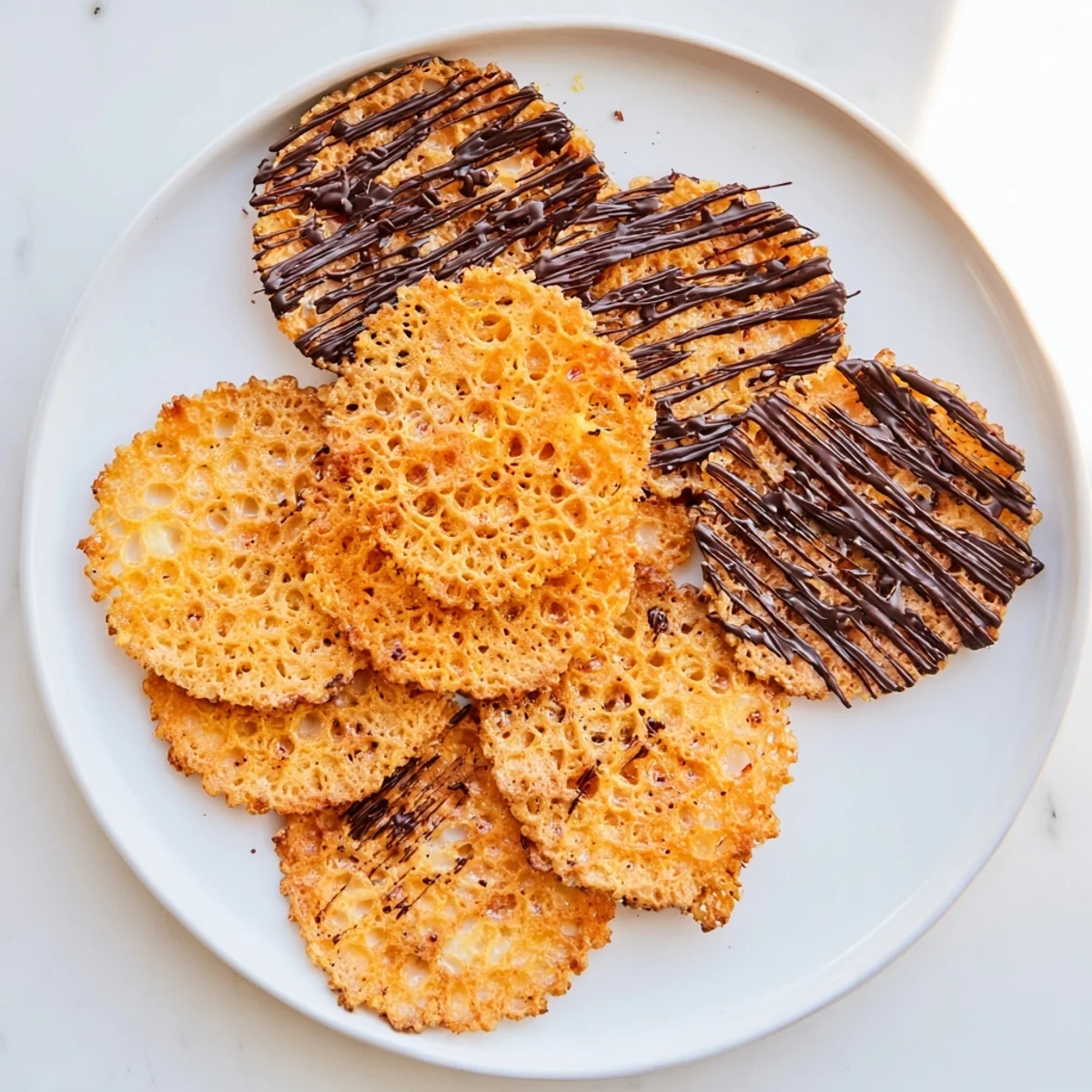
Save There is something deeply satisfying about serving something so elegant and knowing it came from your own kitchen, your own hands, in less than an hour on a quiet afternoon.
Recipe FAQs
- → Why do my cookies spread so much while baking?
-
The high ratio of butter and sugar creates a thin batter that naturally spreads extensively. This spreading action is essential for achieving the characteristic lacy, delicate texture. Leave at least 3 inches between spoonfuls on the baking sheet.
- → Can I substitute the orange zest with other citrus fruits?
-
Absolutely! Lemon, lime, or grapefruit zest work beautifully. Each offers a slightly different citrus profile while maintaining the same crisp texture and baking method.
- → How do I know when these are done baking?
-
The edges should turn golden brown while the center remains slightly lighter. Watch closely during the last minute since these thin cookies can go from perfect to overbaked quickly.
- → Why are my cookies soft instead of crispy?
-
They may need additional baking time. Also ensure they're cooled completely on a wire rack—steam trapped underneath keeps them from crisping. Humidity can also affect texture.
- → Can I make the dough ahead of time?
-
The batter can be refrigerated for up to 24 hours. Let it come to room temperature before baking, as cold batter won't spread properly and affects the final texture.
- → What's the best way to handle these fragile cookies?
-
Use a thin metal spatula to transfer them after the initial 2-minute cooling period. They're most delicate when warm, so let them cool completely on the rack before storing or serving.