
 Save
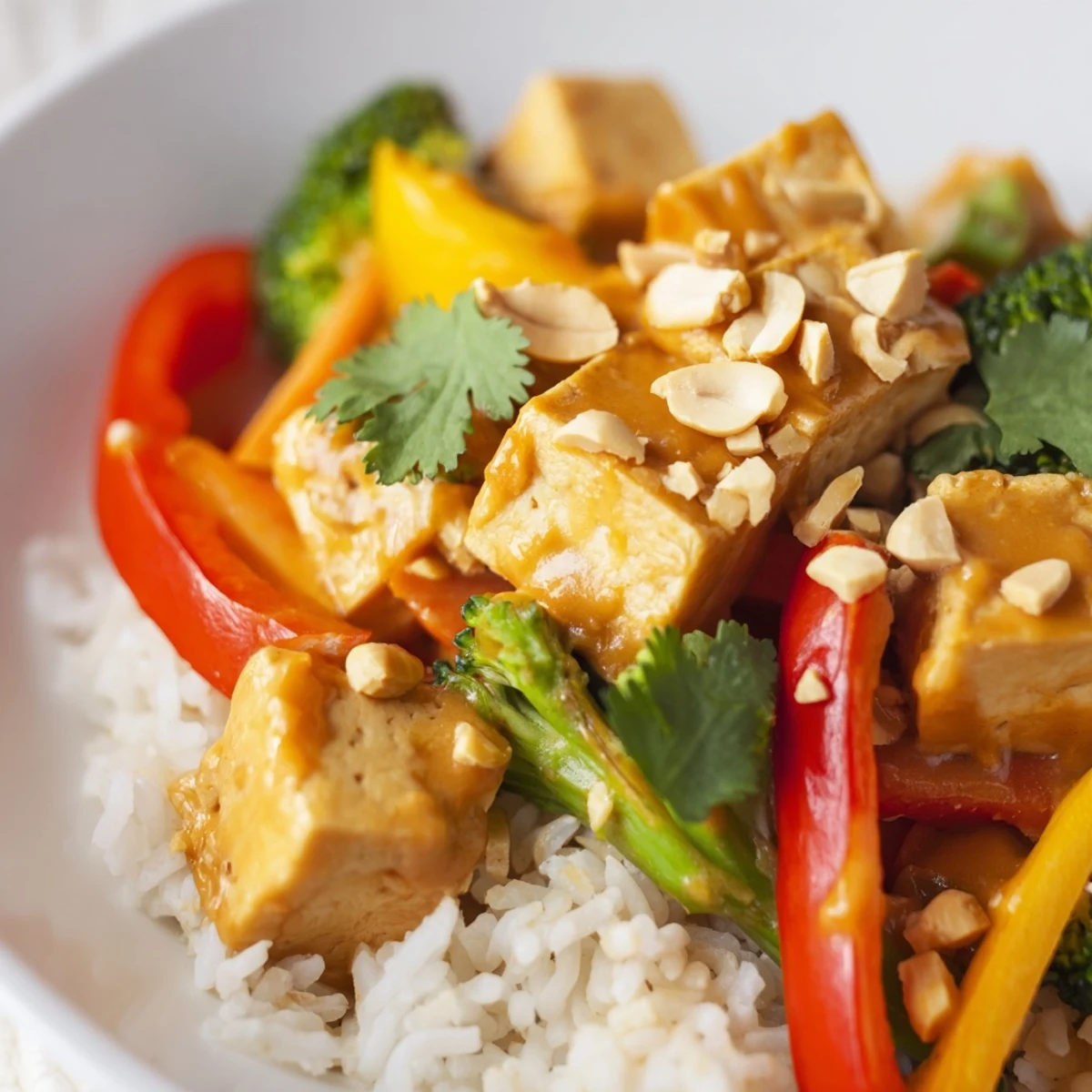
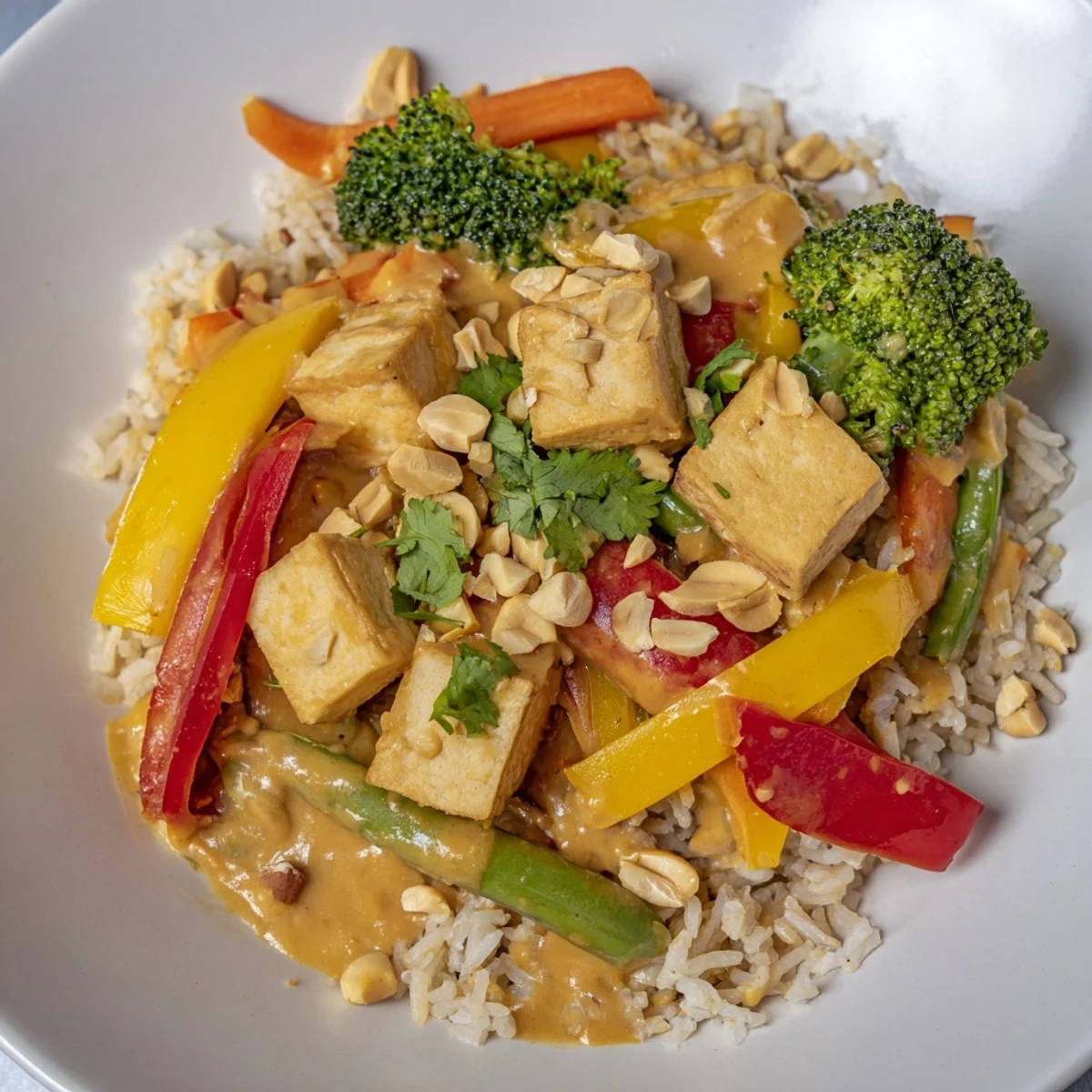
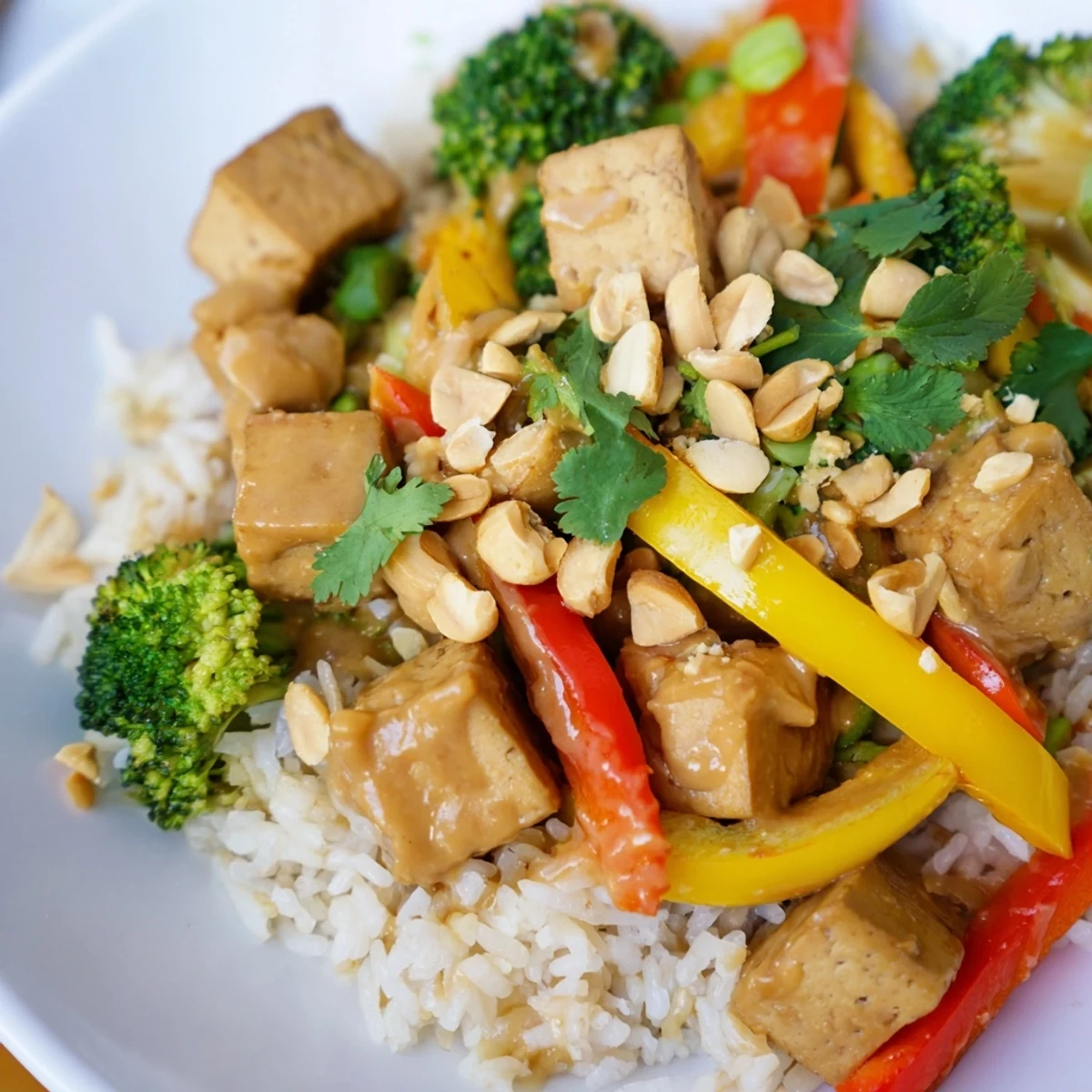
Save This dish features golden, crispy tofu coated in cornstarch and pan-fried to perfection. Fresh bell peppers, carrots, snap peas, broccoli, and spring onions are quickly stir-fried to retain their crunch. A creamy peanut sauce, balanced with soy, maple syrup, garlic, and ginger, ties all flavors together. Garnished with chopped peanuts, cilantro, and lime wedges, it’s an easy, vibrant option perfect for weeknights.
I stumbled upon this recipe during a particularly chaotic week when I'd promised to cook for friends but had zero inspiration. Standing in front of my pantry, I spotted a block of tofu that had been waiting for the right moment, and suddenly the answer was clear: something crispy, something golden, something that would make everyone forget they were eating plant-based. That first batch of tofu, coated in cornstarch and sizzling in hot oil, changed how I thought about weeknight cooking.
I remember my neighbor peeking over the fence while I was prepping vegetables, drawn by the smell of tofu crisping up in the wok. By the time I finished cooking, she'd invited herself to dinner, and we ended up eating straight from the pan while sitting on the counter, talking about how shocked she was that tofu could taste this good. That night taught me that this dish has a way of converting people.
Ingredients
- Extra-firm tofu: The key to everything—use the firmest tofu you can find, and pressing it really matters because moisture is the enemy of crispiness.
- Cornstarch: This is the secret weapon that gives the tofu that golden, slightly crispy exterior without any fancy techniques.
- Vegetable oil: Use a neutral oil with a high smoke point so it doesn't burn when you're getting that tofu golden.
- Bell peppers and carrots: These provide sweetness and color, but feel free to swap them for whatever vegetables are in season or what you actually enjoy eating.
- Snap peas and broccoli: They cook quickly and hold their texture, which keeps the whole dish from turning into mush.
- Spring onions: Add them at the very end for a fresh bite that cuts through the richness of the sauce.
- Creamy peanut butter: Look for one with minimal added sugar, as it makes the sauce taste more sophisticated and less like dessert.
- Soy sauce or tamari: This is your umami base, so don't skip it or use a substitute unless you really need to.
- Sesame oil: Just a teaspoon goes a long way and adds a toasted, nutty depth that feels more grown-up than regular oil.
- Rice vinegar, maple syrup, and ginger: Together these balance the sauce so it's not one-dimensional—tangy, slightly sweet, warming, all at once.
Instructions
- Press and cube the tofu:
- Wrap your block of tofu in a clean kitchen towel and place something heavy on top for at least 10 minutes—a cast iron skillet works perfectly. This removes the water that would otherwise steam the tofu instead of crisping it. Cut the pressed tofu into bite-sized cubes, roughly the size of dice.
- Coat with cornstarch:
- Toss the cubes in a bowl with cornstarch until every surface is lightly dusted, almost like you're breading something. This coating is what creates that golden, slightly crispy texture.
- Crisp the tofu:
- Heat oil in your skillet or wok over medium-high heat until it shimmers—you'll know it's ready when a cube sizzles immediately. Add the tofu and let it sit undisturbed for a minute or two before turning, which gives each side a chance to brown properly. Keep turning occasionally until all sides are golden and crispy, about 8 to 10 minutes total. This is the most important step, so don't rush it.
- Stir-fry the vegetables:
- In the same hot pan, add your peppers, carrots, snap peas, and broccoli, tossing frequently so they cook evenly but stay crisp. The whole thing should take about 4 to 5 minutes. Add the spring onions at the very end, just for a minute, so they stay bright and fresh.
- Make the sauce:
- While the vegetables are cooking, whisk together the peanut butter, soy sauce, maple syrup, rice vinegar, sesame oil, garlic, and ginger in a separate bowl. Add warm water slowly, stirring until you reach a smooth, pourable consistency—it should coat a spoon but not be watery.
- Bring it all together:
- Return the crispy tofu to the pan with the vegetables and pour the sauce over everything, tossing gently so every piece gets coated. The sauce will coat and cling to the vegetables in the most satisfying way.
- Plate and serve:
- Spoon everything over warm rice and top with chopped peanuts, fresh cilantro, and a squeeze of lime juice. The lime is not optional—it brightens the whole dish.
 Save
Save There's a moment, right after everything comes together in the wok, when the aroma hits you and you suddenly understand why people get excited about cooking at home. It's not about impressing anyone or following rules perfectly—it's about that moment when simple ingredients become something worth slowing down for.
The Case for Crispy Tofu
For years I thought tofu was only for people who were forced to eat it for dietary reasons, until I realized the problem was never the tofu itself—it was that I'd been cooking it wrong. Once you understand that tofu needs to be pressed and crisped, it stops being a sad vegetarian compromise and becomes something genuinely delicious and satisfying. The cornstarch is the move that changed everything for me.
About That Peanut Sauce
This sauce works because it balances four different things: richness from the peanut butter, saltiness from the soy, acidity from the vinegar, and subtle sweetness from the maple syrup. The sesame oil, ginger, and garlic add depth, but they're there to support the other flavors, not to dominate. It's a sauce that tastes intentional and more interesting than it has any right to be.
Making This Your Own
The skeleton of this dish is solid, but the vegetables should always be whatever is speaking to you at the farmers market or whatever you actually want to eat. Mushrooms would add earthiness, zucchini would keep it lighter, baby corn would add sweetness. The sauce is also your canvas—add chili flakes if you want heat, more ginger if you like punch, or extra sesame oil if you want it more toasty.
- Swap vegetables freely based on the season and what you love, but keep the tofu and sauce as your anchors.
- If you're cooking for someone with a peanut allergy, sunflower seed butter works beautifully as a one-to-one swap.
- Leftovers reheat well and somehow taste even better the next day, though the tofu will lose some crispiness—still delicious though.
 Save
Save This is the kind of meal that feels both completely approachable and genuinely impressive, which is exactly the category I'm always trying to cook in. Make it once, and it becomes the recipe you reach for again and again.
Recipe FAQs
- → How do I achieve crispy tofu?
-
Press tofu to remove moisture, coat in cornstarch, and pan-fry in hot oil until golden on all sides.
- → Can I substitute the vegetables?
-
Yes, seasonal veggies like zucchini or mushrooms work well and can be swapped according to preference.
- → How do I adjust the peanut sauce consistency?
-
Add warm water gradually while whisking to reach a smooth, pourable texture suited to your taste.
- → Is this suitable for gluten-free diets?
-
Use tamari instead of regular soy sauce to ensure the dish remains gluten-free.
- → What can I add for extra heat?
-
A pinch of chili flakes or a dash of sriracha added to the peanut sauce enhances spiciness.