
 Save
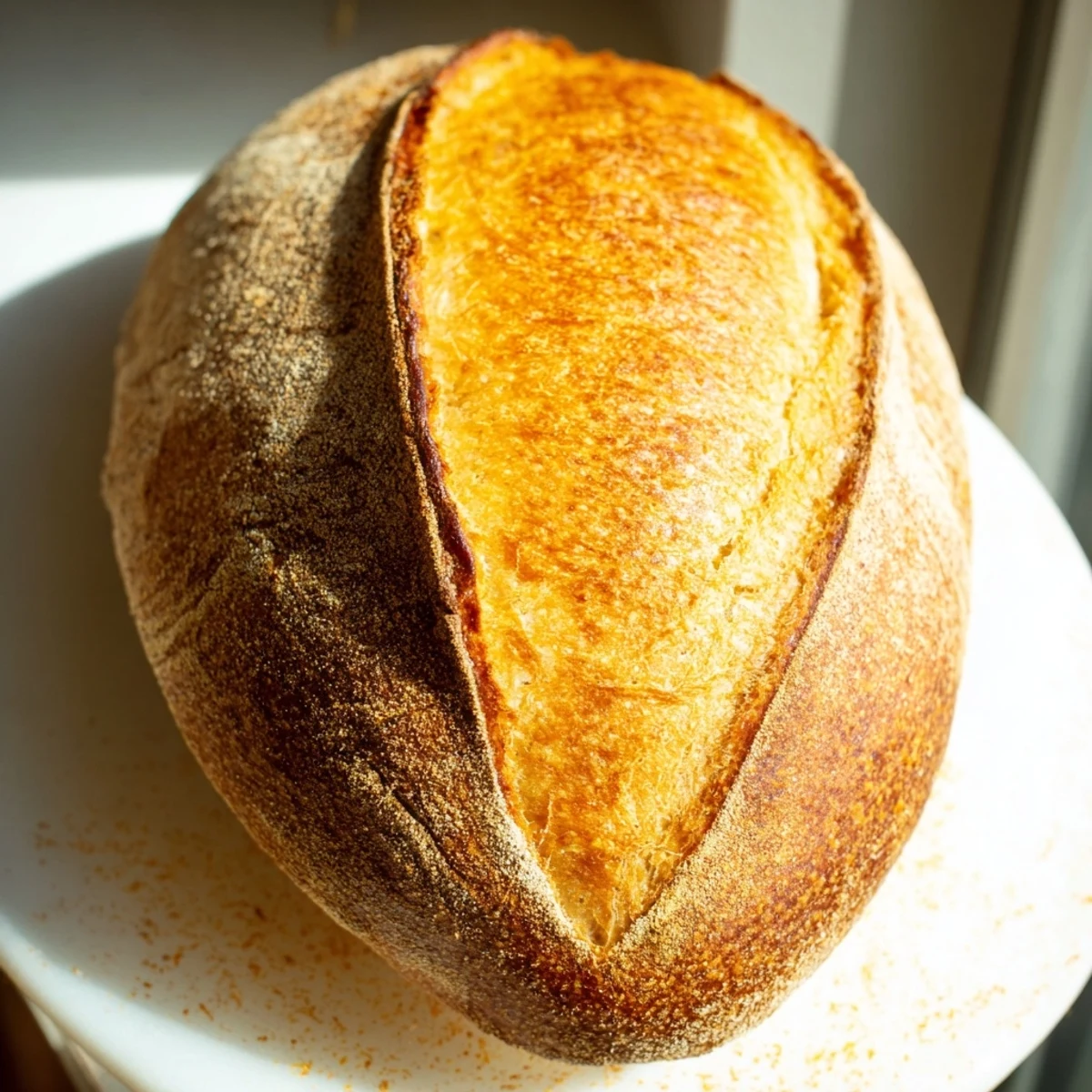
Save Create an authentic Italian loaf with a crackling golden crust and tender, chewy crumb. This classic bread delivers professional bakery results using simple pantry staples—flour, yeast, salt, and olive oil.
The steam-baking technique ensures that signature crispy exterior while maintaining a soft interior. Perfect alongside pasta dishes, for panini sandwiches, or simply torn and dipped in quality extra virgin olive oil.
The first time I made Italian bread at home, my tiny apartment smelled like a neighborhood bakery for hours. My roommate kept wandering into the kitchen, asking if it was done yet, and I had to keep explaining that good bread needs patience more than anything else.
I once made six loaves in one weekend because I was obsessed with perfecting my slash technique. My freezer was overflowing, but friends started dropping by unreasonably often around dinner time.
Ingredients
- Bread flour: Higher protein content than all-purpose gives you that satisfying chewy texture and better rise
- Active dry yeast: Make sure your water is warm but not hot, or you will kill the yeast and nothing happens
- Salt: Do not accidentally mix this directly with the yeast or it will inhibit fermentation
- Olive oil: Adds subtle flavor and keeps the crumb tender
- Cornmeal: Prevents sticking and adds a subtle crunch to the bottom crust
Instructions
- Wake up the yeast:
- Stir yeast and sugar into warm water, then walk away for ten minutes until foamy bubbles form on top.
- Build the dough:
- Mix flour and salt in a large bowl, create a well in the center, pour in the yeast mixture and olive oil.
- Knead with purpose:
- Turn onto a floured surface and work the dough for eight to ten minutes until it feels smooth and springs back when poked.
- First rise:
- Place in an oiled bowl, cover with a damp towel, and leave in a warm spot until doubled in size.
- Shape the loaf:
- Punch down gently, form into a tight oval or round, and place on parchment paper for the second rise.
- Prepare for baking:
- Preheat oven to 425°F with an empty metal pan on the bottom rack for steam.
- Score and bake:
- Slash the top with a sharp knife, pour hot water into the bottom pan, and bake for 30 to 35 minutes.
 Save
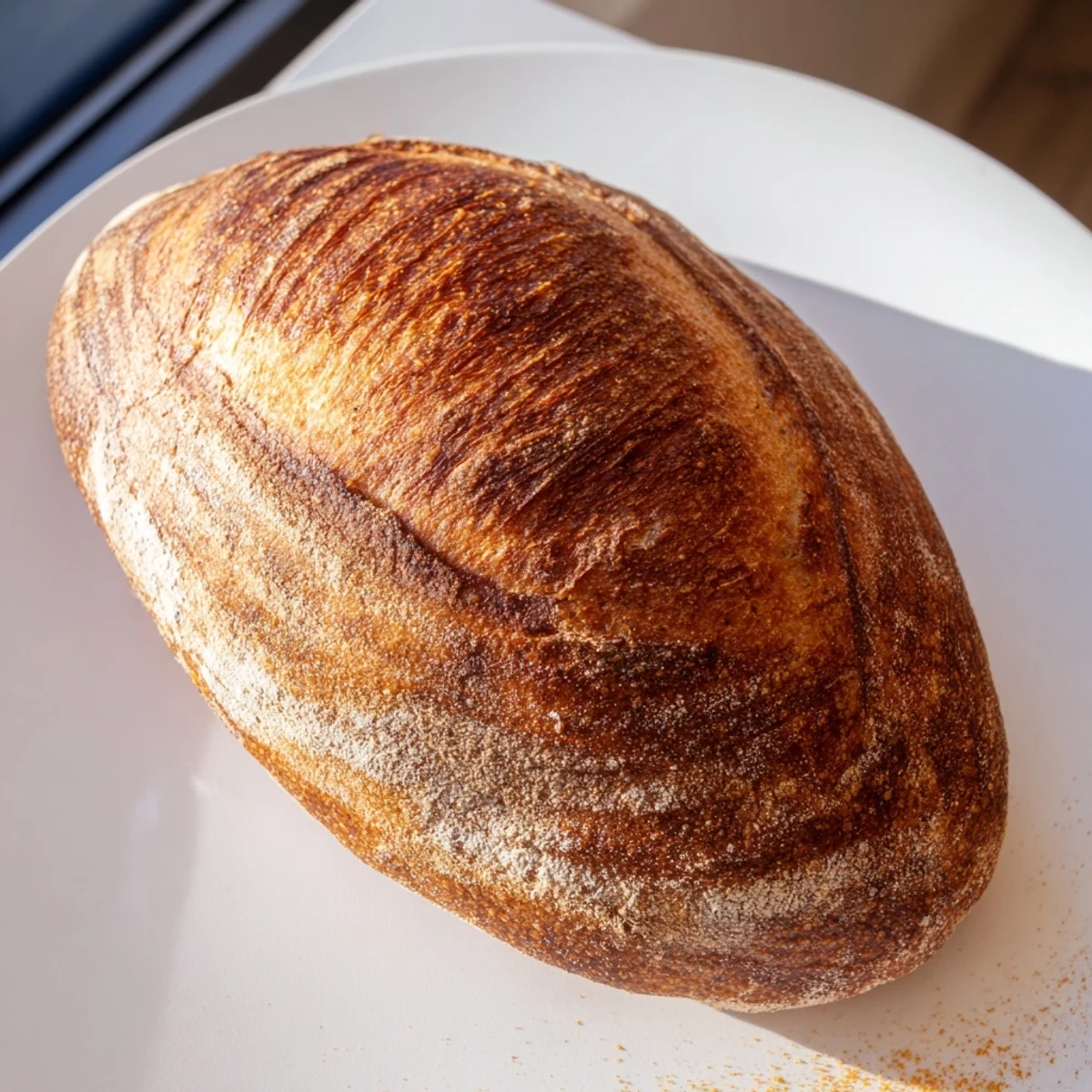
Save This bread became my go-to housewarming gift after realizing everyone reacts the same way when they walk in with a fresh loaf under their arm. Something about that golden crust just makes people feel at home.
Creating Steam in Your Oven
The water pan trick is what separates homemade bread from bakery quality crusts. The steam keeps the outer dough flexible longer, allowing maximum expansion before the crust sets.
Storing and Freezing
Fresh bread is best within 24 hours, but freezing it sliced means you can have toast-ready bread anytime. Wrap tightly in plastic and then foil to prevent freezer burn.
Flavor Variations
Once you master the basic loaf, the variations are endless. Add herbs during mixing or create sweet versions with honey and dried fruit.
- Rosemary and garlic in the dough makes incredible toast
- Substituting some whole wheat flour adds nuttiness
- Brushing with olive oil after baking keeps the crust shiny
 Save
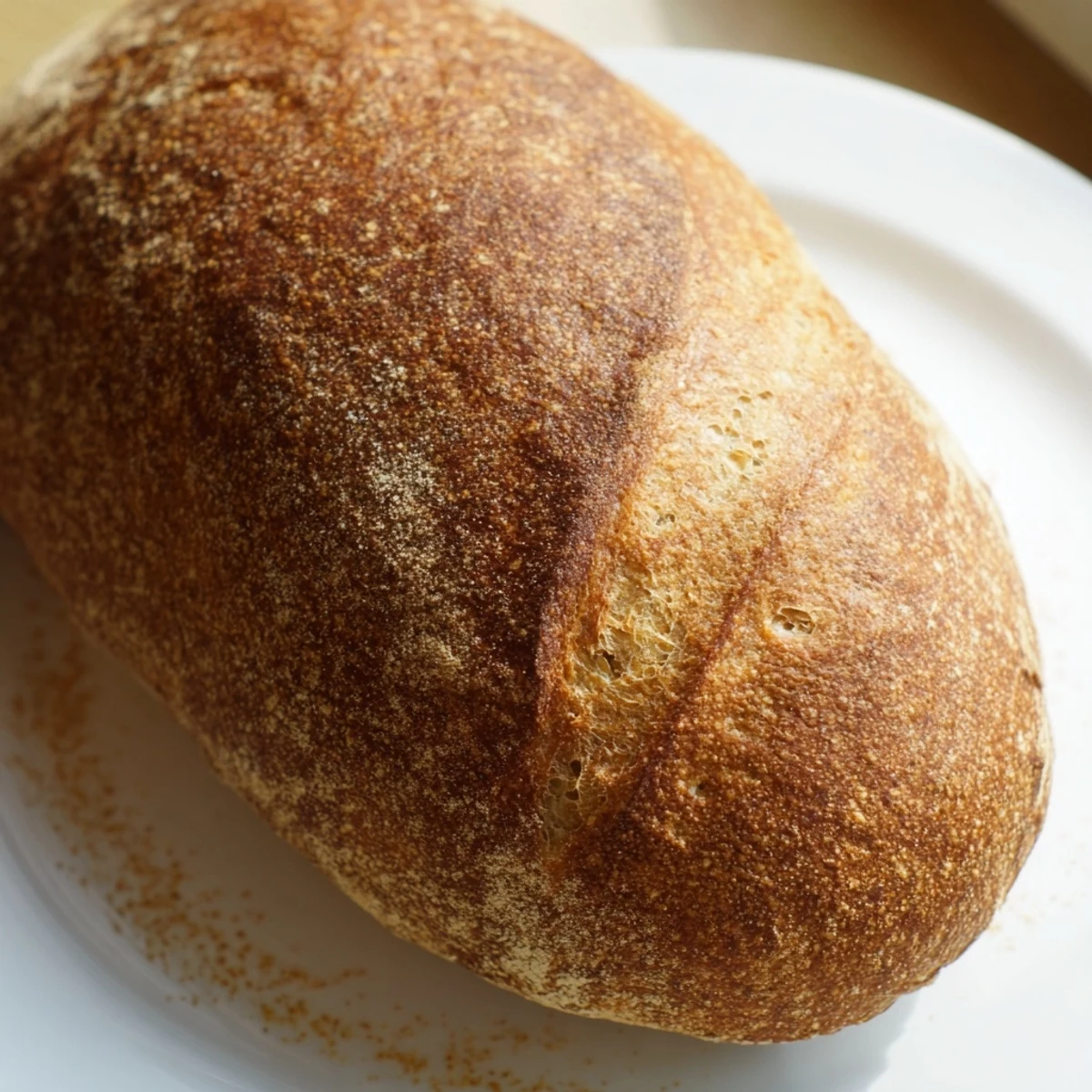
Save Theres something deeply satisfying about pulling a golden loaf from the oven and hearing that crackle as it cools.
Recipe FAQs
- → Why is steam used when baking Italian bread?
-
Steam creates a humid oven environment that keeps the crust soft initially, allowing the bread to expand fully. As moisture evaporates, a crisp, crackly crust forms with that signature golden bakery finish.
- → Can I make this bread without a stand mixer?
-
Absolutely. Knead by hand on a floured surface for 8-10 minutes until smooth and elastic. The dough should spring back when pressed gently, indicating proper gluten development.
- → How do I know when the dough has risen enough?
-
Press two fingers gently into the dough—if the indentation remains without springing back, the dough is properly proofed. The first rise typically takes 1-1.5 hours until doubled.
- → What's the purpose of scoring the bread before baking?
-
Scoring controls where the bread expands during oven spring, creating an attractive pattern while preventing irregular tearing. A sharp knife or lame works best for clean cuts.
- → Can I freeze this Italian bread?
-
Yes, freeze once completely cooled. Slice before freezing for convenient toasting later, or freeze whole loaves wrapped tightly in plastic and foil. Thaw at room temperature and refresh in a warm oven.
- → Why does the water temperature matter for activating yeast?
-
Water around 40°C/105°F wakes yeast without killing it. Too hot, and yeast dies—too cool, and activation slows significantly. Properly foamy yeast indicates successful activation.