
 Save
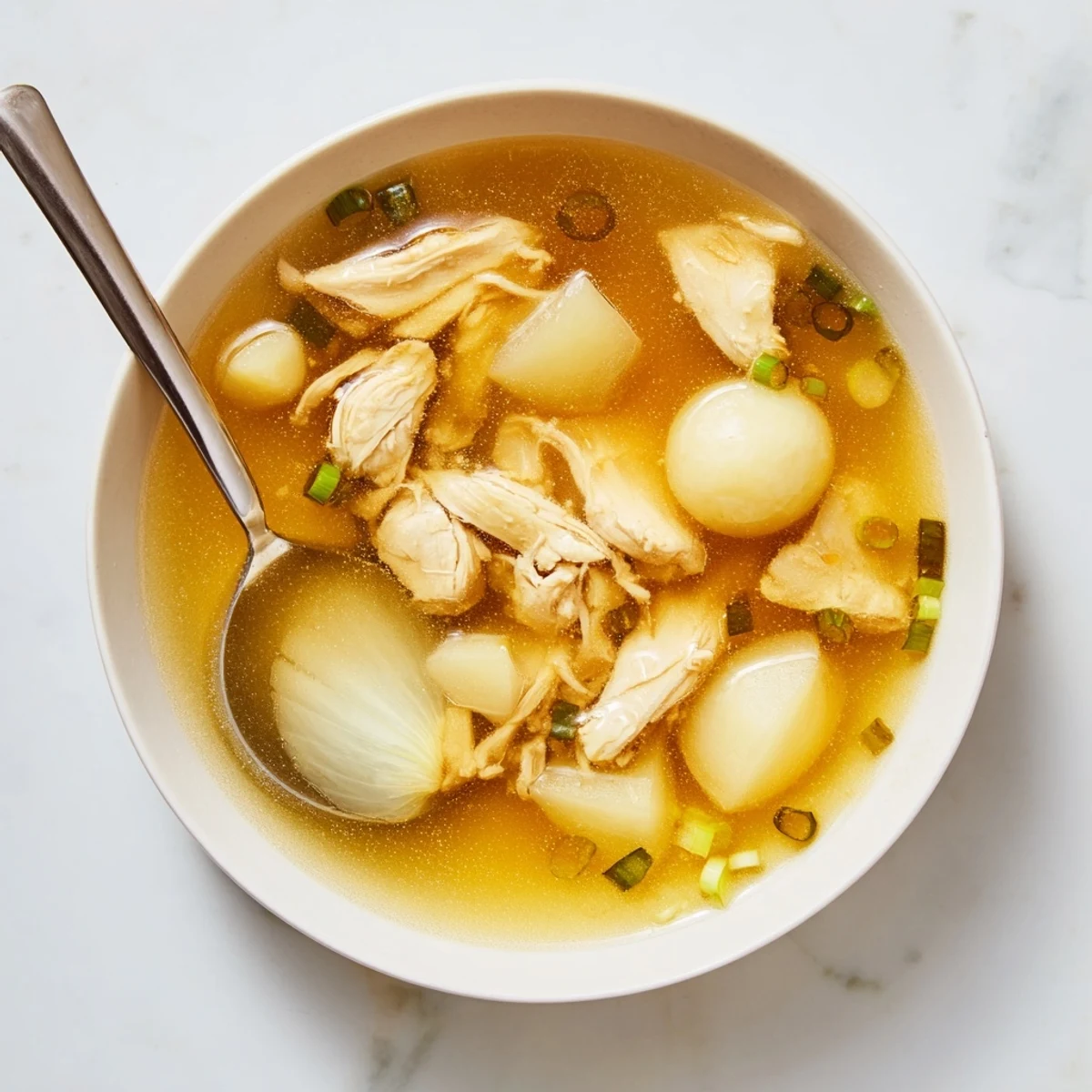
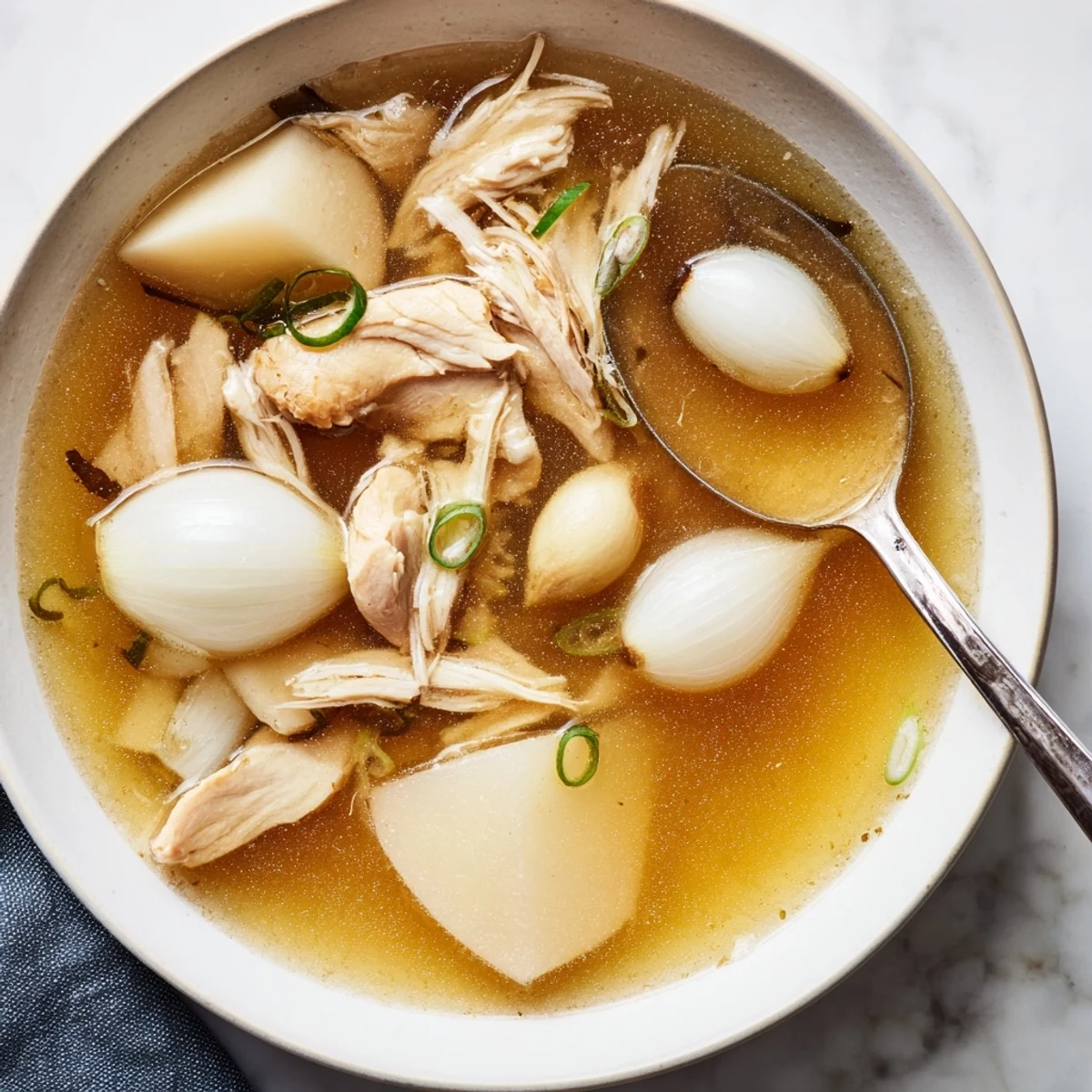
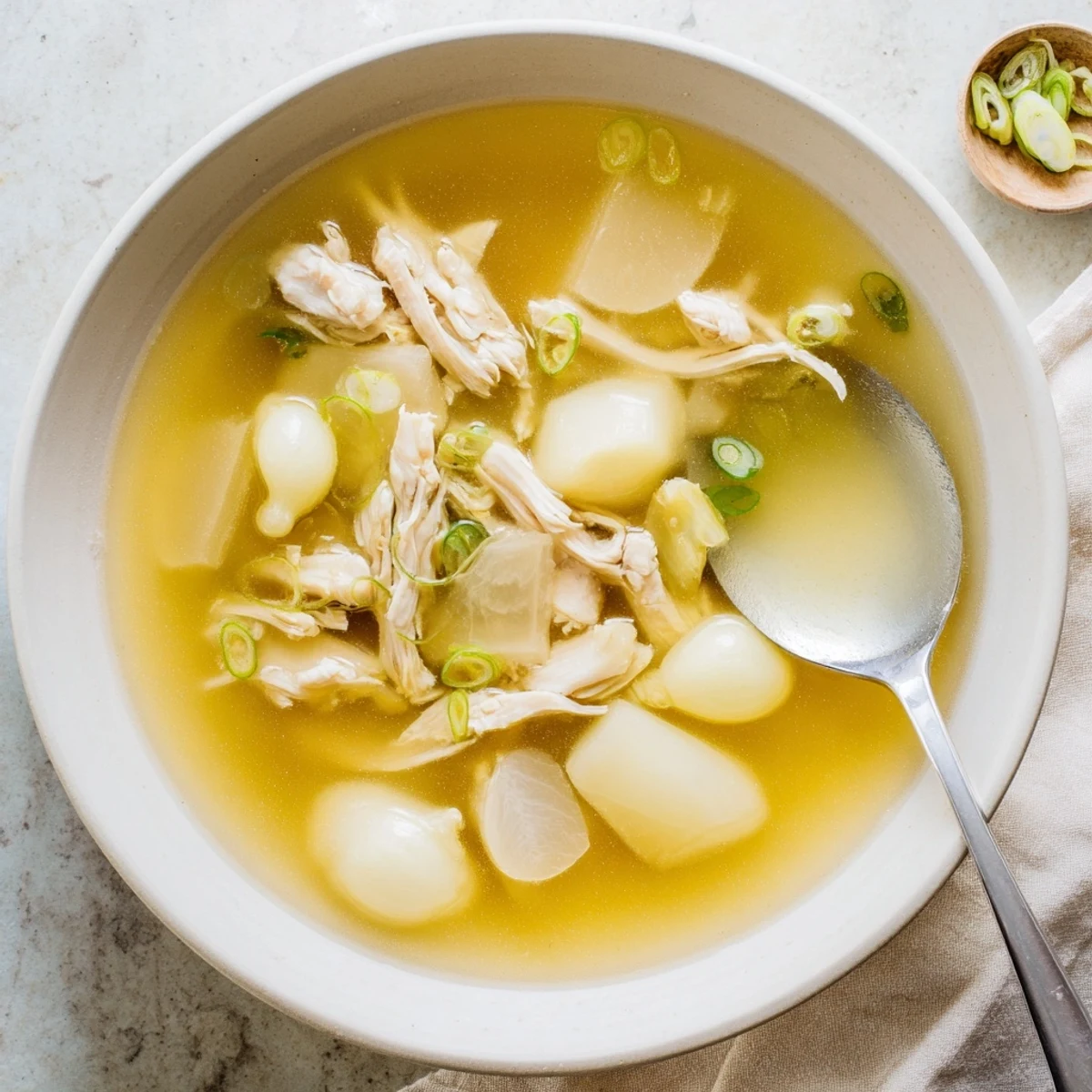
Save Dakgomtang is a traditional Korean soup that delivers deep comfort through simple, quality ingredients. Whole chicken simmers slowly with garlic, ginger, onion, and green onions, creating a clear, aromatic broth that's both light and satisfying. The shredded chicken returns to the seasoned broth, resulting in tender meat in every spoonful.
What makes this soup special is its versatility—it's naturally gluten-free and dairy-free, perfect for family dinners or meal prep. The accompanying dipping sauce of soy sauce, rice vinegar, and sesame oil adds bright, tangy notes that complement the subtle broth. Serve alongside steamed rice for an authentic Korean experience.
The steam rising from my pot on a rainy Tuesday evening reminded me exactly why this soup exists in Korean cuisine. There's something almost meditative about the way the broth transforms from plain water into something golden and restorative. I've made this on days when nothing else sounded good, and somehow the gentle simmering always settles my mood.
Last winter, my neighbor came over shivering from waiting at the bus stop in the snow. I ladled this into a bowl and watched her shoulders drop as she took that first sip. She asked for the recipe before she even finished eating, and now she makes it every time her kids are sick.
Ingredients
- Whole chicken (3–3.5 lbs): The bones create the depth of flavor, so do not use boneless pieces here
- Medium onion, halved: Sweetness builds as it simmers away into nothing
- 10 cloves garlic: Yes, ten, the mellow cooked garlic is the soul of this soup
- 6 green onions: Two go into the broth, four stay fresh for that finish
- 1-inch ginger, sliced: Adds just enough warmth without being spicy
- Daikon radish (optional): Traditional addition that sweetens the broth beautifully
- Sea salt and black pepper: Season gently and taste as you go, the broth should sing not shout
- Dipping sauce ingredients: This bright condiment transforms every bite
Instructions
- Prepare the chicken and pot:
- Rinse the chicken thoroughly under cold water, checking for any remaining giblets. Place it in a large pot and cover with 12 cups cold water, letting the water settle around the chicken.
- Build the broth foundation:
- Add onion halves, all 10 garlic cloves, sliced ginger, 2 whole green onions, and daikon chunks if using. Bring to a boil over medium-high heat, skimming off foam that rises to the surface until the liquid looks clear.
- Simmer into gold:
- Reduce heat to low, cover partially, and let it simmer for 1 hour. The chicken will become incredibly tender and the kitchen will smell like comfort itself.
- Strain and shred:
- Carefully remove the chicken to a plate or cutting board to cool slightly. Strain the broth through a fine mesh sieve, discarding all the cooked vegetables, and return the clear golden liquid to the pot.
- Return chicken to the pot:
- Shred the chicken meat into bite-sized pieces, discarding skin and bones. Return the shredded chicken to the broth and season with 1 to 1.5 teaspoons salt and black pepper, tasting and adjusting as needed.
- Final gentle simmer:
- Let everything cook together for another 10 minutes on low heat, allowing the flavors to marry. Meanwhile, stir together the dipping sauce ingredients in a small bowl.
- Finish and serve:
- Ladle hot soup into bowls and scatter fresh sliced green onions on top. Serve immediately with the dipping sauce on the side, and watch everyone reach for seconds.
 Save
Save My Korean friend told me her grandmother would make this during exam season, saying clear broth helped clear the mind. Now I understand what she meant somehow the simplicity of it creates space in your head.
Making It Your Own
Add glass noodles during the last five minutes for a more substantial meal. Sliced mushrooms work beautifully too, soaking up the broth while adding their own earthy notes.
Time-Saving Tips
You can make the broth up to three days ahead and store it in the refrigerator. Simply reheat and add freshly shredded chicken when ready to serve.
Serving Suggestions
This soup is traditionally served with steamed white rice on the side, perfect for soaking up every drop. The dipping sauce should be used sparingly a little goes a long way.
- Keep the dipping sauce on the table for everyone to customize their bowl
- Kimchi makes a perfect spicy, tangy companion on the side
- Leftover broth tastes even better the next day
 Save
Save There is wisdom in this kind of cooking. Simple ingredients, patience, and care somehow create something greater than the sum of its parts.
Recipe FAQs
- → What makes dakgomtang different from other chicken soups?
-
The key difference lies in the Korean technique of simmering a whole chicken with generous amounts of garlic, ginger, and green onions. This creates a clear, delicately flavored broth that's lighter than Western chicken soups but deeply aromatic. The meat is then shredded and returned to the broth, making every bite tender and satisfying.
- → Can I use chicken pieces instead of a whole chicken?
-
Yes, you can substitute bone-in chicken pieces like thighs, drumsticks, or breasts. However, using a whole chicken yields the most flavorful broth since bones and skin contribute depth. If using pieces, aim for 3-3.5 lbs total and include some bone-in cuts for better flavor extraction.
- → How long does dakgomtang keep in the refrigerator?
-
Properly stored in an airtight container, dakgomtang keeps well for 3-4 days in the refrigerator. The flavors often develop and improve after a day. When reheating, add a splash of water if the broth has reduced. Avoid freezing the cooked soup as the texture of the chicken may become slightly dry.
- → What can I serve with dakgomtang?
-
Steamed white rice is the traditional accompaniment, providing a neutral base that soaks up the savory broth. Kimchi makes an excellent side for contrast and probiotic benefits. You can also add glass noodles or rice noodles directly to the soup for added heartiness.
- → Is daikon radish essential for this soup?
-
Daikon radish is optional but adds subtle sweetness and helps clarify the broth. If unavailable, you can omit it or substitute with regular radish, turnip, or even a small piece of Korean radish (mu). The soup will still be delicious without it—the essential flavors come from the chicken, garlic, and ginger.
- → How do I adjust the seasoning?
-
Start with 1 tsp of salt after straining the broth, then taste and gradually add more, up to 1.5 tsp total. The dipping sauce provides additional saltiness and umami. Remember that flavors intensify slightly as the soup sits, so it's better to start conservative and adjust before serving.