
 Save
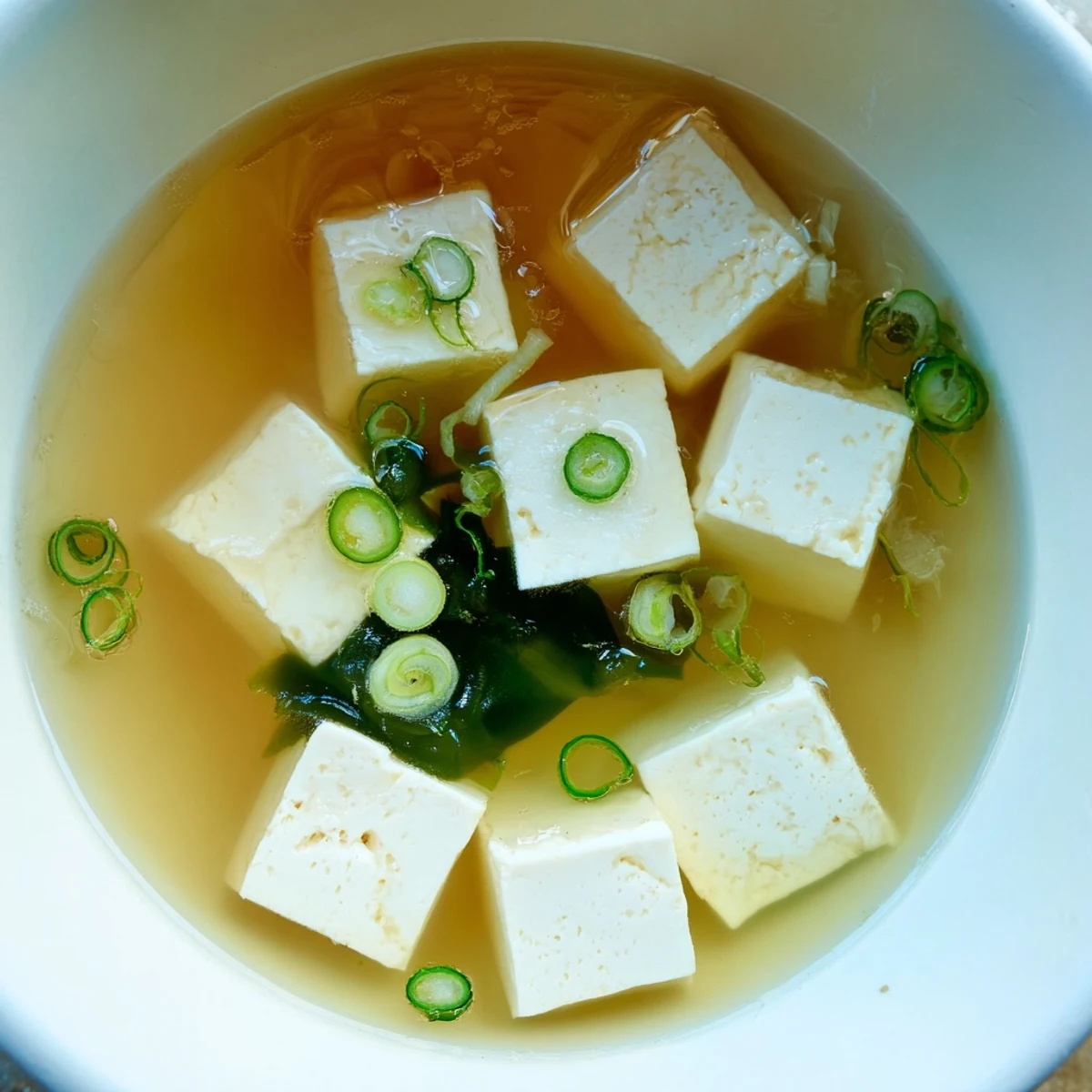
Save This classic Japanese soup brings together delicate white miso paste with silken tofu and rehydrated wakame seaweed for a comforting bowl in just 15 minutes. The key is gently whisking the miso into warm dashi stock without boiling, which preserves its beneficial enzymes and umami-rich flavor. Finished with fresh green onions, this light and nourishing soup serves perfectly as a starter or alongside rice and main dishes.
My first taste of real miso soup happened in a tiny Tokyo restaurant where the steam from the kitchen fogged up the windows. I watched the chef prepare it in what seemed like seconds, yet the bowl that arrived held layers of flavor I had never experienced. Back home, I spent weeks trying to recreate that depth, learning that miso soup is deceptively simple yet endlessly nuanced when you pay attention to the details. Now it is the soup I turn to when I need something warming but not heavy.
Last winter, my partner came down with a terrible cold and refused to eat anything. I made a batch of this soup, carrying the bowl into the bedroom where steam still curled off the surface. After three days of barely touching food, they finished the entire thing and asked for seconds. That is when I truly understood how something so gentle could feel so restorative.
Ingredients
- 4 cups dashi stock: The foundation of authentic miso soup, homemade dashi has a cleaner taste but instant works perfectly for weeknights
- 3 tablespoons white miso paste: Shiro miso has a milder, sweeter flavor that works beautifully for everyday soup
- 100 g silken tofu: Cut into cubes just before adding so it holds its shape in the hot broth
- 2 tablespoons dried wakame seaweed: Rehydrates instantly in the hot liquid and adds that characteristic ocean depth
- 2 green onions: Finely sliced raw for a fresh bite that cuts through the rich broth
Instructions
- Prepare the broth:
- Bring the dashi stock to a gentle simmer over medium heat, watching for small bubbles around the edges
- Dissolve the miso:
- Place miso paste in a small bowl, add a ladleful of hot dashi, and whisk until completely smooth before returning it to the saucepan
- Add the tofu and seaweed:
- Gently slide in the tofu cubes and sprinkle the dried wakame, letting everything simmer for 2 to 3 minutes
- Finish and serve:
- Remove from heat immediately, ladle into bowls, and scatter green onions on top while still piping hot
 Save
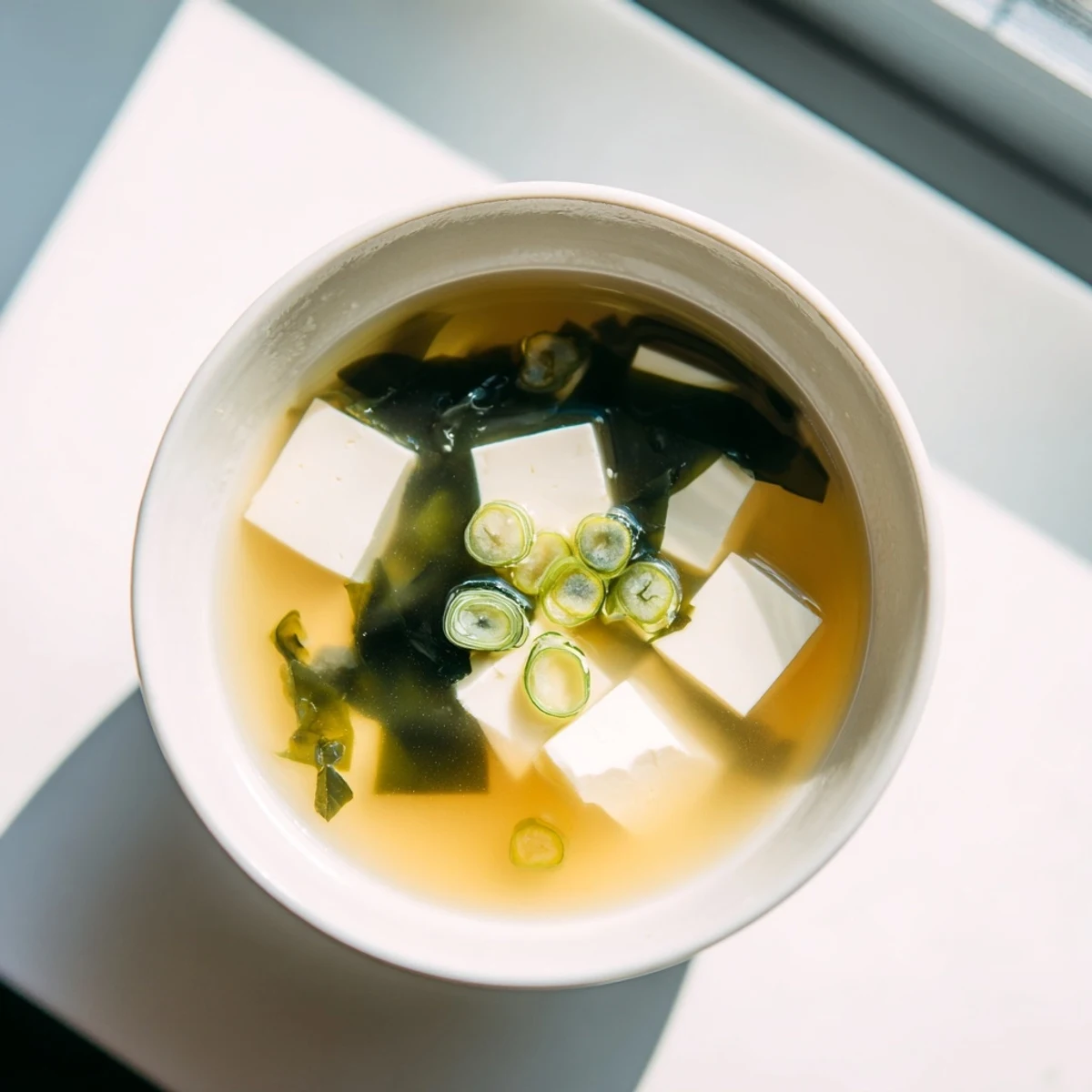
Save This recipe has become my Sunday morning ritual, steaming bowl in hand while I read the news. Something about the ritual of whisking the miso, the smell of the seaweed blooming in the broth, makes the whole week feel more manageable.
Choosing Your Miso
White miso is fermented for a shorter time, resulting in that gentle sweetness I love for everyday soup. Red miso packs more punch and works better in hearty winter stews. I keep both in my fridge and often mix them half and half when I want something with more complexity. The paste keeps for months in the refrigerator, so do not worry about using it up quickly.
Making Your Own Dashi
Instant dashi granules are perfectly acceptable, but homemade dashi from kombu kelp is revelatory. I simmer a piece of kombu in water for 30 minutes, then remove it before the water boils. That is it. The difference is subtle but noticeable, a cleaner taste that lets the miso shine. For a fully vegetarian version, skip the bonito flakes entirely and use only kombu.
Customizing Your Bowl
The beauty of miso soup lies in how endlessly adaptable it is to whatever you have on hand. I have added everything from leftover cooked rice to thinly sliced carrots, mushrooms, even handfuls of spinach in the final minute. The key is adding delicate ingredients at the end so they do not turn to mush.
- Clamp the tofu cubes between paper towels for 10 minutes before cutting for firmer pieces
- Try adding a teaspoon of grated ginger for extra warmth when you are feeling under the weather
- Leftover soup keeps for 2 days but the miso flavor will continue to develop and intensify
 Save
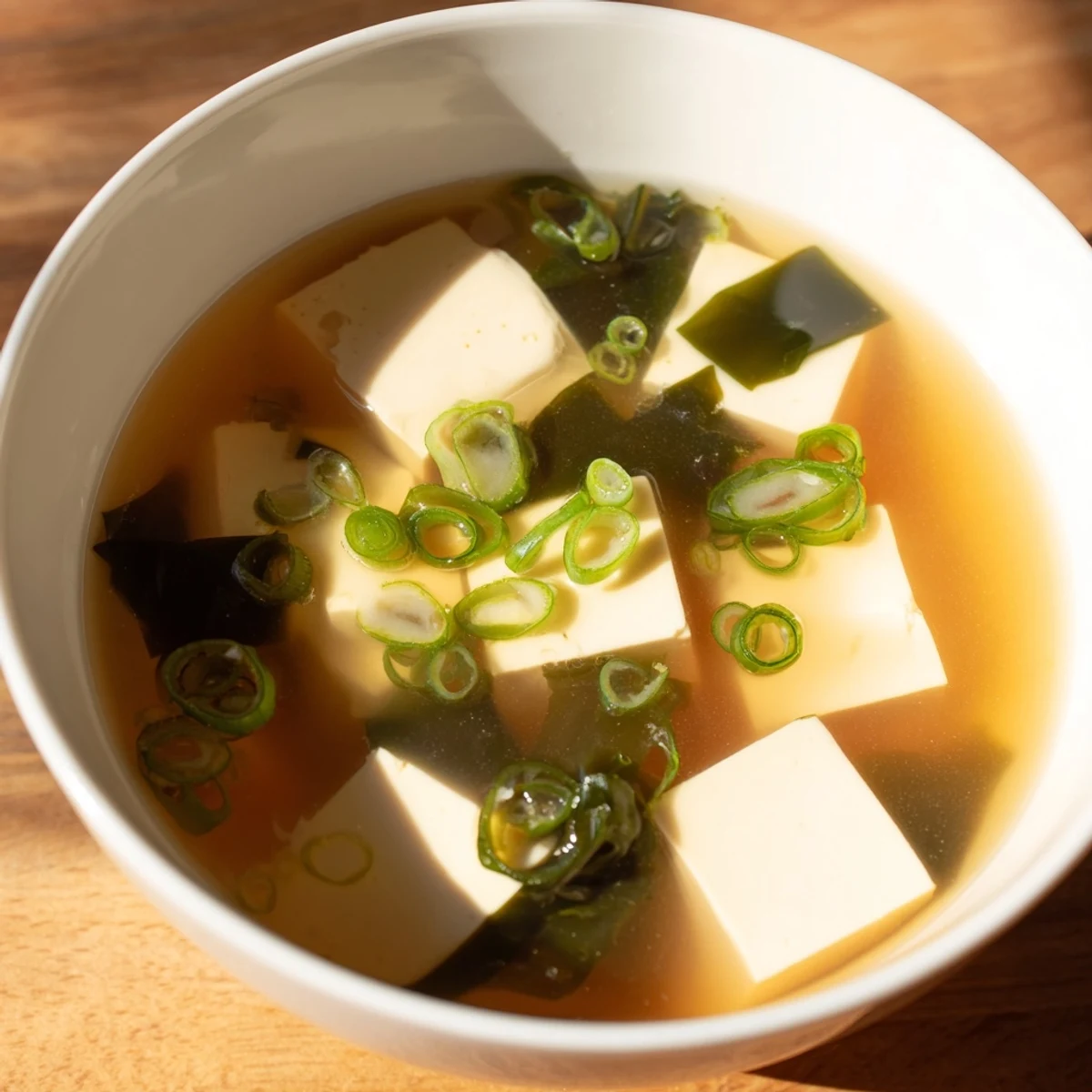
Save A bowl of miso soup is one of those simple pleasures that makes any meal feel complete. I hope it brings you as much comfort as it has brought me over the years.
Recipe FAQs
- → What type of miso paste works best?
-
White miso (shiro miso) offers the most delicate, slightly sweet flavor ideal for this preparation. For a deeper, more robust taste, you can blend white and red miso pastes together.
- → Can I make this vegetarian or vegan?
-
Absolutely. Use kombu-based dashi stock instead of traditional bonito flakes for vegetarian preparation. The same combination works perfectly for vegan diets.
- → Why shouldn't I boil the miso?
-
Boiling miso paste destroys its beneficial enzymes and can make the flavor bitter and overly salty. Always dissolve miso in warm liquid below a simmer to maintain its delicate taste and probiotic properties.
- → What vegetables can I add?
-
Thinly sliced mushrooms, fresh spinach, daikon radish, or carrots work beautifully. Add heartier vegetables like daikon during simmering, while delicate greens like spinach should be stirred in just before serving.
- → How long does this keep in the refrigerator?
-
The soup is best enjoyed immediately, but you can store leftovers refrigerated for up to 2 days. Reheat gently without boiling, and you may need to adjust seasoning as the miso flavor intensifies over time.
- → Can I use instant dashi powder?
-
Yes, instant dashi powder works perfectly well for quick preparation. Just dissolve it in water according to package directions before adding your miso paste and other ingredients.