
 Save
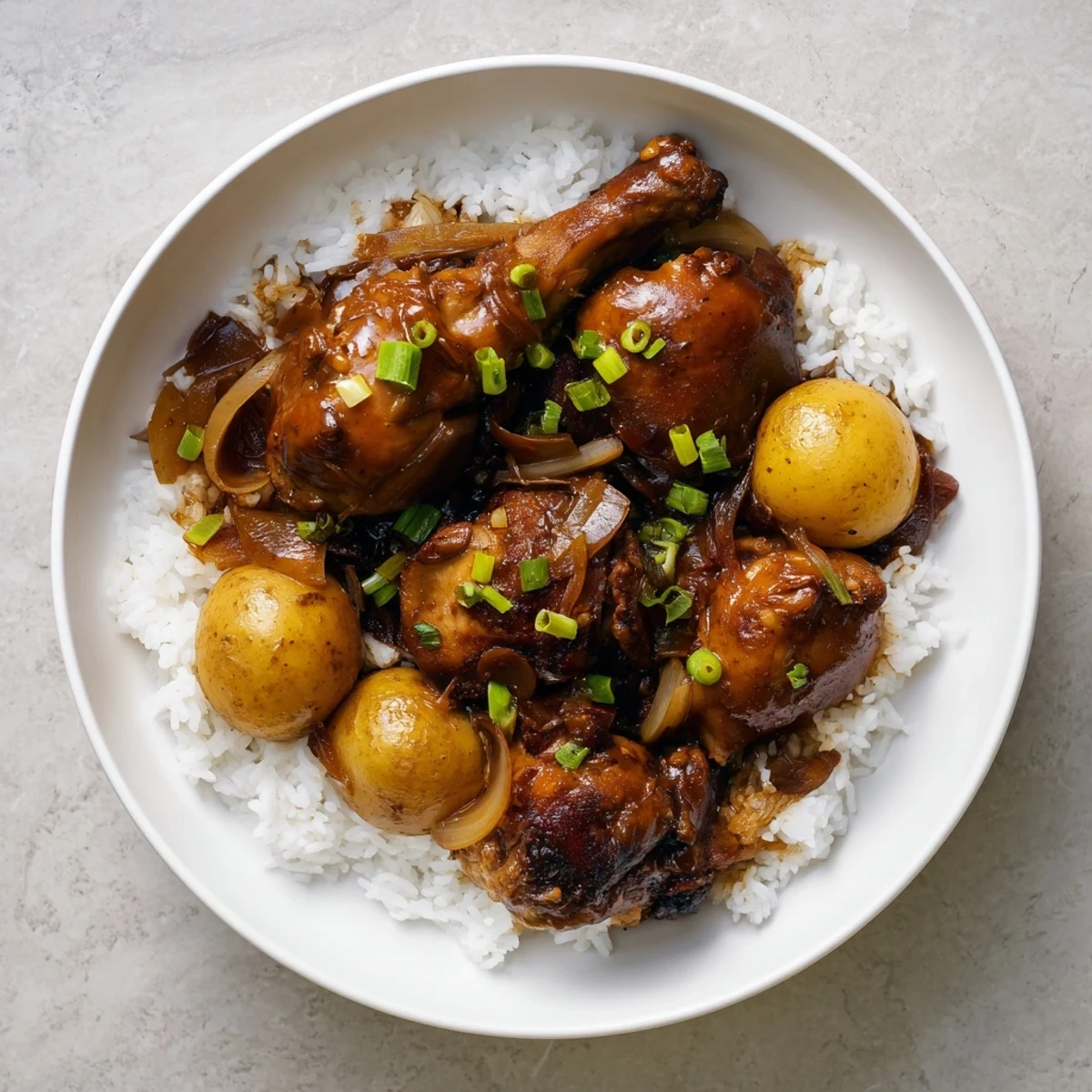
Save Filipino Chicken Adobo transforms simple ingredients into an unforgettable dish. Chicken thighs and drumsticks simmer slowly in a balanced mixture of soy sauce, vinegar, crushed garlic, bay leaves, and peppercorns. The marinade becomes a luscious glaze as it reduces, coating each piece with deep umami flavor.
The magic lies in the contrast between tangy vinegar and salty soy, mellowed by gentle braising. Optional brown sugar adds subtle sweetness, while potatoes absorb the savory sauce. Serve over steamed jasmine rice to soak up every drop of the rich, dark sauce.
Marinating overnight deepens the flavor, but even 30 minutes yields delicious results. Leftovers develop even more complexity as the seasonings meld—many Filipinos argue adobo tastes better the next day.
The rainy Tuesday my grandmother taught me adobo will stay with me forever. She measured nothing but her palm, so I've finally translated her handfuls into cups and tablespoons after years of trial by taste. Something magical happens when vinegar and soy sauce find their rhythm together.
My college roommate burst into tears the first time she smelled this simmering on our tiny stove. It reminded her of Sunday lunches at her grandmother's house in Manila, and suddenly our cramped apartment felt like home.
Ingredients
- 1.2 kg bonein chicken: Skinon thighs and drumsticks keep everything juicy and lend richness to the sauce
- 1/2 cup soy sauce: This provides the salty foundation and that gorgeous deep brown color
- 1/2 cup cane vinegar: The acid tenderizes meat and cuts through the richness
- 6 cloves garlic: Crush them to release all their oils into the braising liquid
- 2 bay leaves: These lend a subtle earthy backbone to the sauce
- 1 tsp whole peppercorns: They add gentle warmth and aroma
- 1 tbsp brown sugar: Just enough to balance the tang and salt
- 2 tbsp vegetable oil: For getting that goldenbrown start on the chicken
- 2 medium potatoes: They soak up the sauce and become the best part
Instructions
- Marinate the chicken:
- Toss everything except the oil and potatoes in a bowl and let it sit for at least 30 minutes
- Sear the chicken:
- Brown the pieces skin side down in hot oil until golden and fragrant
- Simmer together:
- Pour in the marinade and water, then let it bubble gently covered for 30 minutes
- Finish the sauce:
- Uncover and reduce until it coats the back of a spoon
 Save
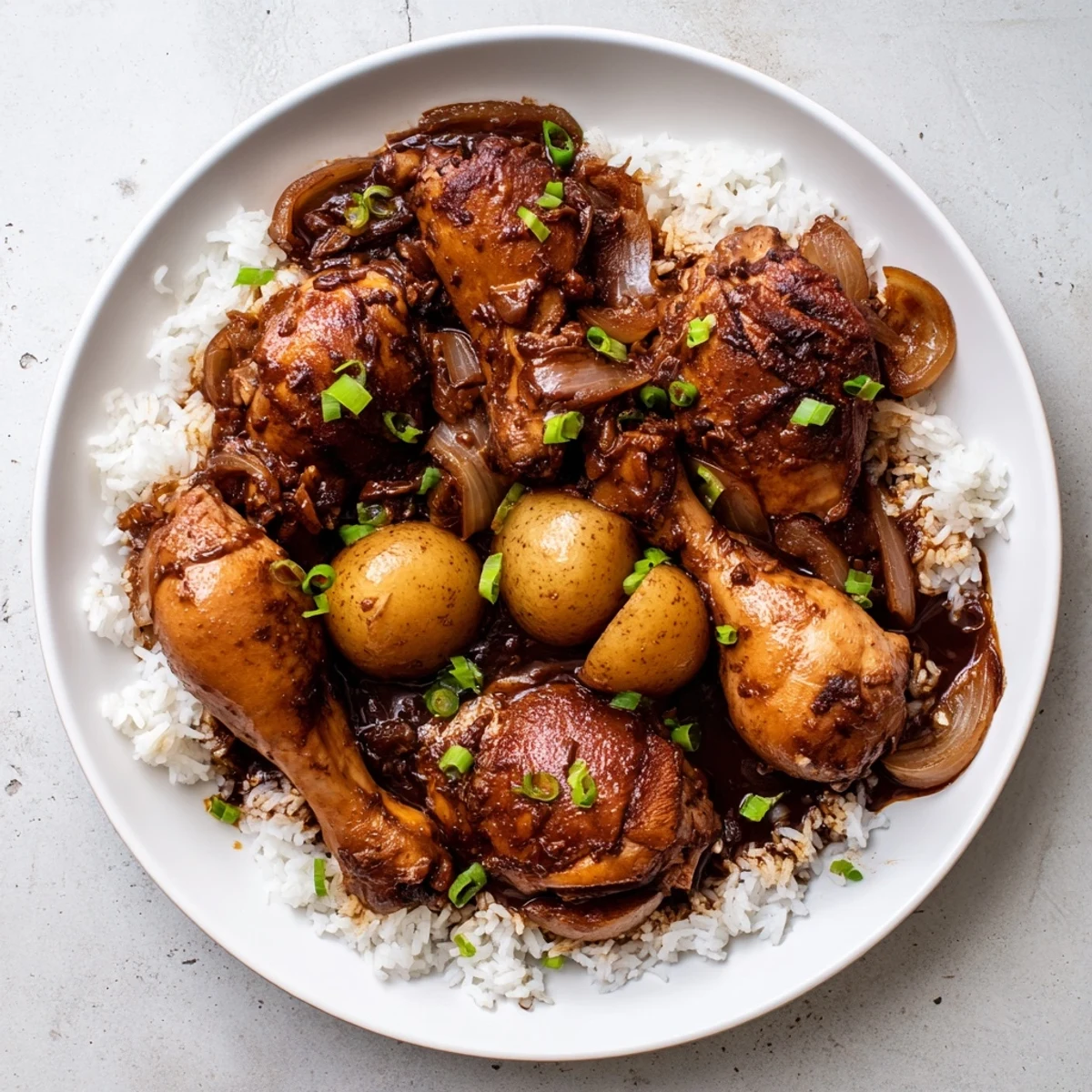
Save My neighbor once knocked on my door because the smell had drifted through the building's ventilation. We ended up eating adobo together at her kitchen table with strangers who became friends over rice and sauce.
Making It Your Own
I've tried adding coconut milk for a creamy version called Adobo sa Gata, and it transforms the dish into something entirely new and luxurious. Pork belly brings incredible richness too.
The Rice Connection
Sinangag or garlic rice is how Filipinos typically serve adobo, and once you try it you'll understand why. The crispy garlic bits add texture that plays perfectly with the tender chicken.
Planning Ahead
This dish is actually better made a day ahead, giving the flavors time to deepen and mingle. Make a double batch and keep the extras for those nights when cooking feels impossible.
- The sauce thickens beautifully in the refrigerator
- Reheat gently with a splash of water
- Fried garlic on top makes everything better
 Save
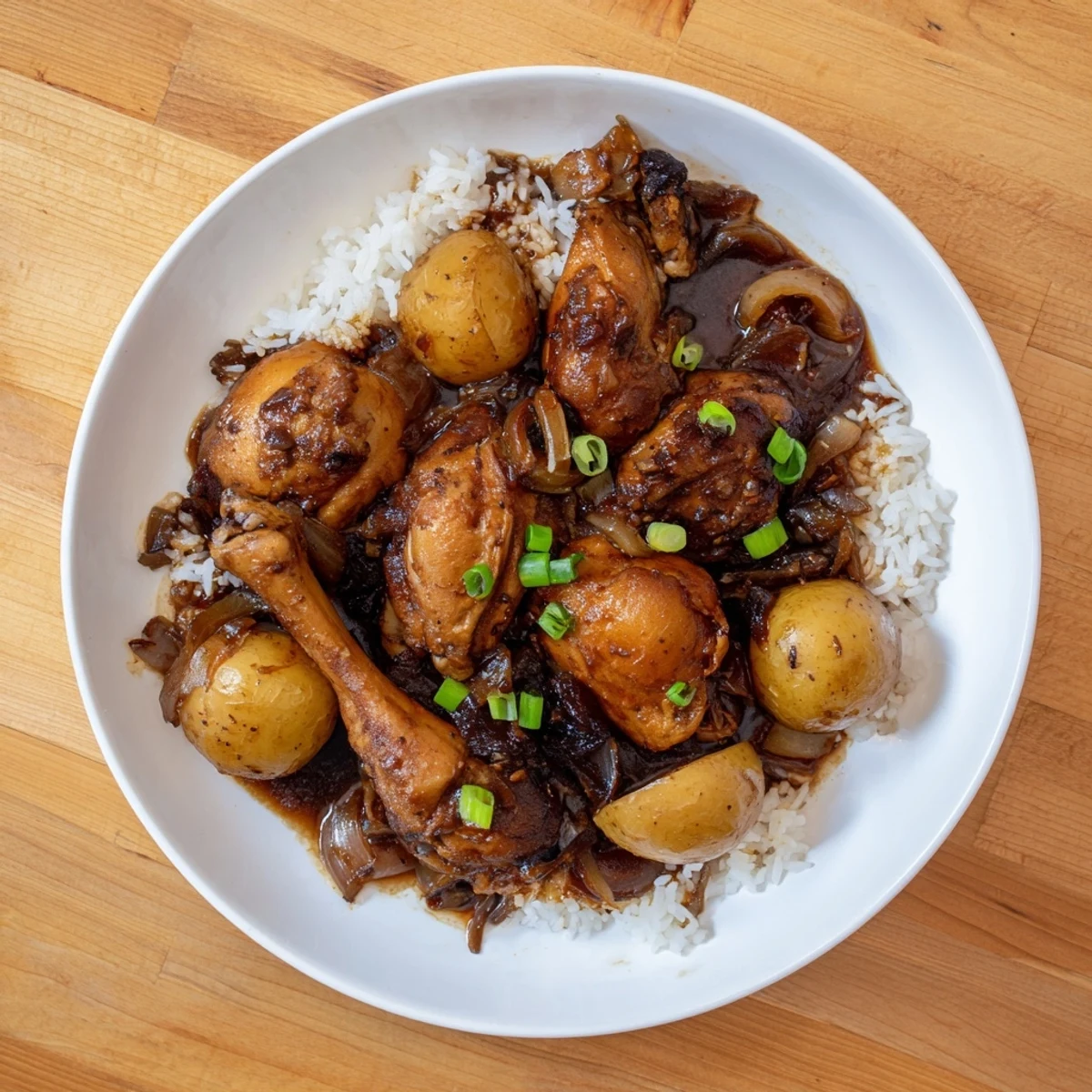
Save There's something deeply comforting about a dish that transforms humble ingredients into something extraordinary.
Recipe FAQs
- → What makes adobo uniquely Filipino?
-
Adobo represents the Philippines' national dish, blending indigenous cooking methods with Spanish and Chinese influences. The distinctive combination of vinegar and soy sauce creates a preservation technique that evolved into a beloved comfort food. Each region and family adds their own touch—some add coconut milk, others use different vinegars or include pork alongside chicken.
- → Can I use other parts of chicken?
-
Absolutely. While bone-in, skin-on thighs and drumsticks offer the best flavor and texture, you can use whole chicken cut into pieces, breasts (though they may dry out faster), or even boneless cuts. Adjust cooking time accordingly—boneless pieces cook faster, while breasts may need less braising to stay tender.
- → What's the purpose of marinating?
-
Marinating infuses the chicken with the signature adobo flavor before cooking. The soy sauce penetrates the meat, while vinegar begins to tenderize. Thirty minutes works, but overnight marinating in the refrigerator yields deeper, more complex taste. The reserved marinade becomes your braising liquid, so nothing goes to waste.
- → Why add sugar to adobo?
-
Brown sugar balances the sharp acidity of vinegar and saltiness of soy sauce, creating a more rounded flavor profile. It's optional—traditional adobo can be quite tangy and salty. The sugar also aids in caramelization and helps the sauce achieve a glossy, appealing finish as it reduces.
- → How do I know when the sauce is reduced enough?
-
The sauce is ready when it coats the back of a spoon and leaves a clear trail when you run your finger through it. It should be thick and glossy, not watery. This usually takes 10–15 minutes of uncovered simmering. Remember it will continue thickening slightly as it cools, so don't reduce it too much.
- → Can I make this in advance?
-
Adobo actually improves with time. Make it a day ahead and store it in the refrigerator—the flavors meld and deepen beautifully. Reheat gently on the stove, adding a splash of water if the sauce has thickened too much. Many Filipino home cooks deliberately make extra for leftovers.