
 Save
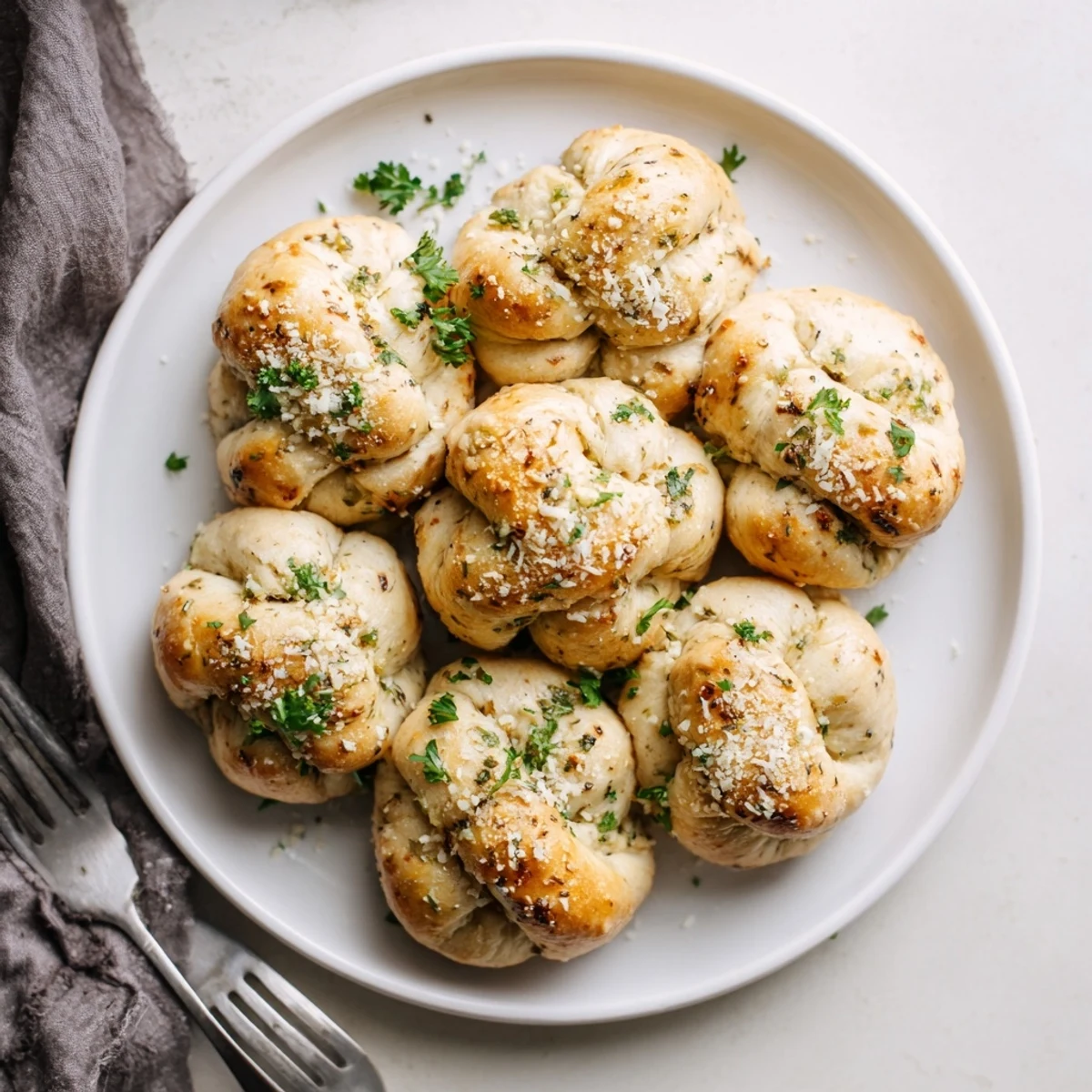
Save Create bakery-style gluten-free garlic knots with a soft, pillowy texture and aromatic garlic butter coating. These Italian-inspired knots combine simple pantry ingredients with fresh herbs for irresistible flavor. Perfect alongside pasta dishes or served as an appetizer with marinara dipping sauce.
The kitchen smelled like an Italian bakery that afternoon, garlic butter melting into warm dough as my timer beeped. These gluten-free knots came out of the oven golden and impossibly soft, defying every dense, crumbly gluten-free bread I had attempted before. My friend Sarah, who had been diagnosed with celiac disease years ago, took one bite and actually got tears in her eyes.
Last Christmas Eve, I made three batches of these knots because my family kept eating them straight from the cooling rack. My cousin Marco, who owns a pizzeria, admitted they were better than his regular wheat version. Now they are requested at every family gathering, gluten-free or not.
Ingredients
- 2 cups gluten-free all-purpose flour with xanthan gum: This blend creates structure without the grainy texture of rice flour blends
- 1 tbsp granulated sugar: Feeds the yeast and helps the knots develop a golden color in the oven
- 1 packet instant yeast: Works quickly and reliably without proofing first
- 1 tsp salt: Balances sweetness and enhances all the flavors
- 1 tsp baking powder: Adds extra lift for a lighter texture
- 2 tbsp olive oil: Keeps the dough tender and adds richness
- 3/4 cup warm milk about 110°F: Activates the yeast without killing it
- 2 large eggs room temperature: Provides structure and helps the dough hold together
- 4 tbsp unsalted butter: Creates that irresistible garlic coating
- 3 cloves garlic minced: Fresh garlic gives the best aromatic flavor
- 2 tbsp chopped fresh parsley: Adds color and a fresh contrast to rich butter
- 1/2 tsp salt and 1/4 tsp black pepper: Season the butter perfectly
- 2 tbsp grated Parmesan cheese optional: Adds a salty, savory finish if you can tolerate dairy
Instructions
- Prepare the dough base:
- Whisk together the gluten-free flour, sugar, instant yeast, salt, and baking powder in a large bowl until everything is evenly distributed
- Form the sticky dough:
- Add the olive oil, warm milk, and eggs to the dry ingredients, mixing until a soft, sticky dough comes together
- Let the dough rest:
- Cover the bowl with plastic wrap and set it in a warm, draft-free spot for 30 minutes to hydrate
- Preheat and prepare:
- Heat your oven to 375°F and line a baking sheet with parchment paper while the dough rests
- Shape the knots:
- Lightly oil your hands, divide the dough into 12 equal pieces, roll each into a 6-inch rope, and tie into loose knots
- Second rest:
- Cover the shaped knots and let them rest for 10 minutes while you preheat the oven
- Bake to golden perfection:
- Bake for 18 to 20 minutes until the knots are golden brown and sound hollow when tapped
- Make the garlic butter:
- Melt butter in a small saucepan over medium heat, add garlic and cook for 1 minute until fragrant, then remove from heat and stir in parsley, salt, and pepper
- Finish and serve:
- Brush the hot knots generously with garlic butter, sprinkle with Parmesan if desired, and serve them warm
 Save
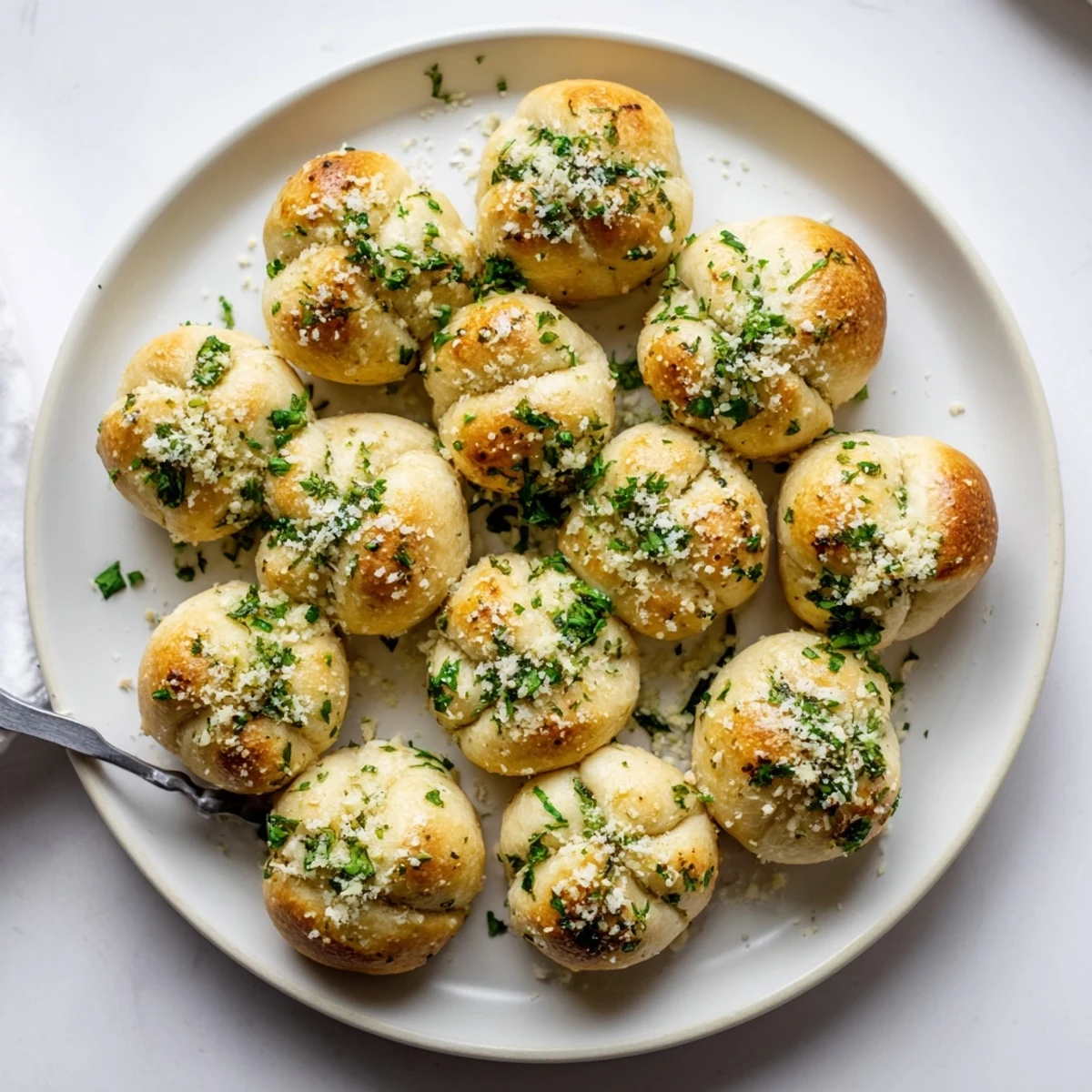
Save My nephew, who turns his nose up at anything labeled gluten-free, ate six of these knots at Sunday dinner before asking what made them different. Watching him reach for another one, butter glistening on his fingers, reminded me why I keep experimenting in the kitchen. Food brings people together, regardless of dietary restrictions.
Making Them Vegan
Substitute the eggs with a flaxseed egg replacement using 2 tablespoons ground flaxseed meal and 6 tablespoons water. Use your favorite non-dairy milk and vegan butter in place of dairy products. The knots turn out just as pillowy and satisfying.
Herb Variations
Fresh rosemary or thyme mixed into the garlic butter creates an entirely different experience. Sometimes I add a pinch of red pepper flakes for warmth, especially during colder months. The basic dough is versatile enough to handle whatever herbs you love most.
Storage and Reheating
These knots keep well in an airtight container for two days, though they rarely last that long at my house. Reheat them in a 350°F oven for 5 minutes to restore that fresh baked texture.
- Freeze unbaked knots on a baking sheet, then transfer to a bag for up to 3 months
- Bake frozen knots directly from the freezer, adding 3 to 4 minutes to the baking time
- Leftover garlic butter can be stored in the refrigerator for up to a week
 Save
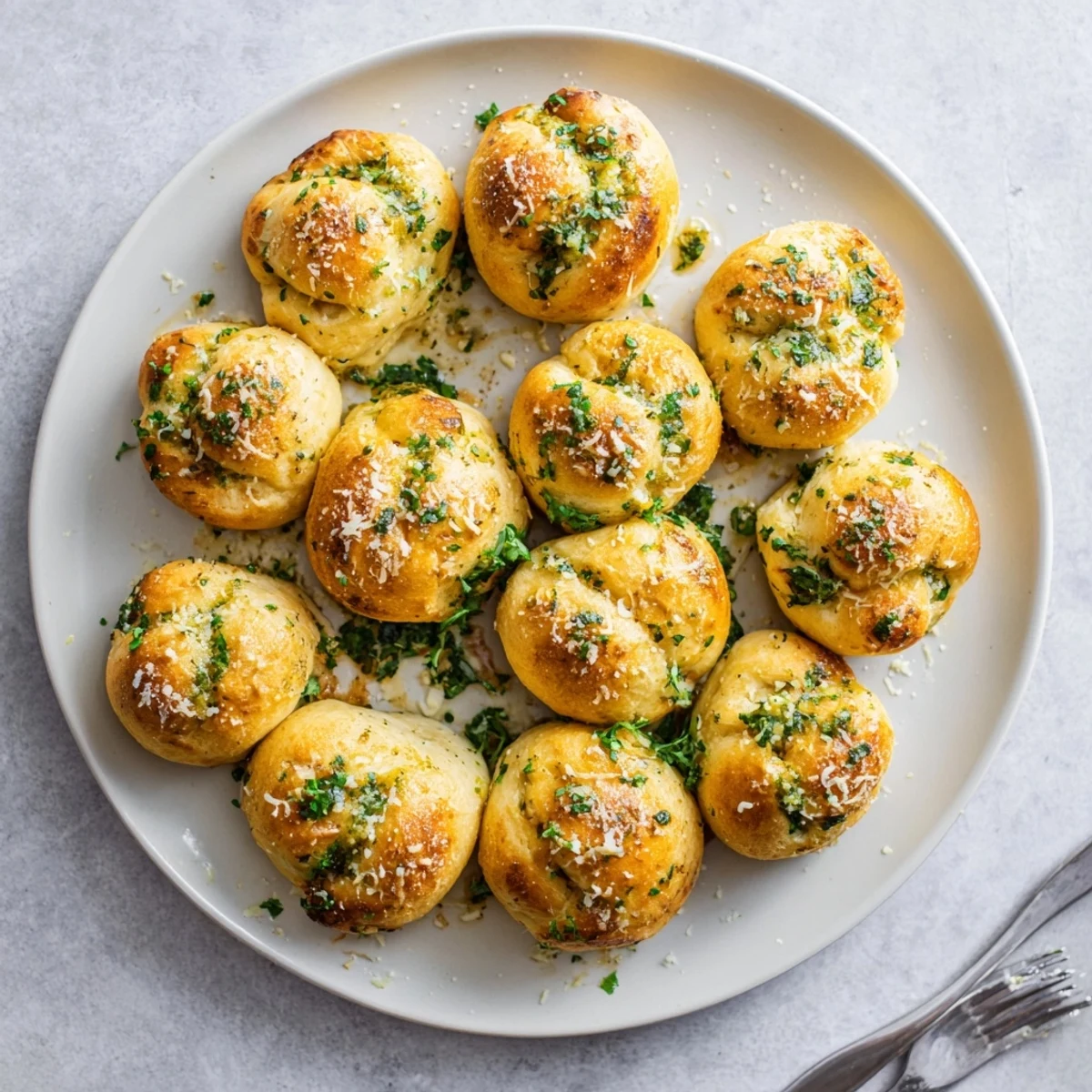
Save There is something deeply satisfying about pulling a tray of golden knots from the oven, knowing everyone at your table can enjoy them. Good food should never leave anyone out.
Recipe FAQs
- → Can I make these garlic knots dairy-free?
-
Yes, substitute dairy milk with almond or oat milk, use vegan butter instead of regular butter, and either omit the Parmesan or use a dairy-free alternative. The knots turn out just as delicious.
- → Why is xanthan gum important in gluten-free baking?
-
Xanthan gum acts as a binder that replaces the elasticity typically provided by gluten. It helps the dough hold together, prevents crumbling, and creates that soft, chewy texture you want in garlic knots.
- → Can I prepare the dough ahead of time?
-
Yes, you can prepare the dough and let it complete its first rise, then cover and refrigerate for up to 24 hours. Let it come to room temperature before shaping and baking.
- → What other herbs work well in the garlic butter?
-
Fresh rosemary, thyme, oregano, or basil all complement the garlic beautifully. You can also add a pinch of red pepper flakes for subtle heat or grated lemon zest for brightness.
- → How do I store and reheat leftover knots?
-
Store in an airtight container at room temperature for up to 2 days or freeze for up to 3 months. Reheat in a 350°F oven for 5-7 minutes to restore the soft texture, then brush with additional garlic butter if desired.
- → Why does gluten-free dough need to rest longer than regular dough?
-
Gluten-free flours require more time to absorb liquids properly. The resting period allows the flour to hydrate fully, which improves the texture and prevents the knots from becoming dry or crumbly.