
 Save
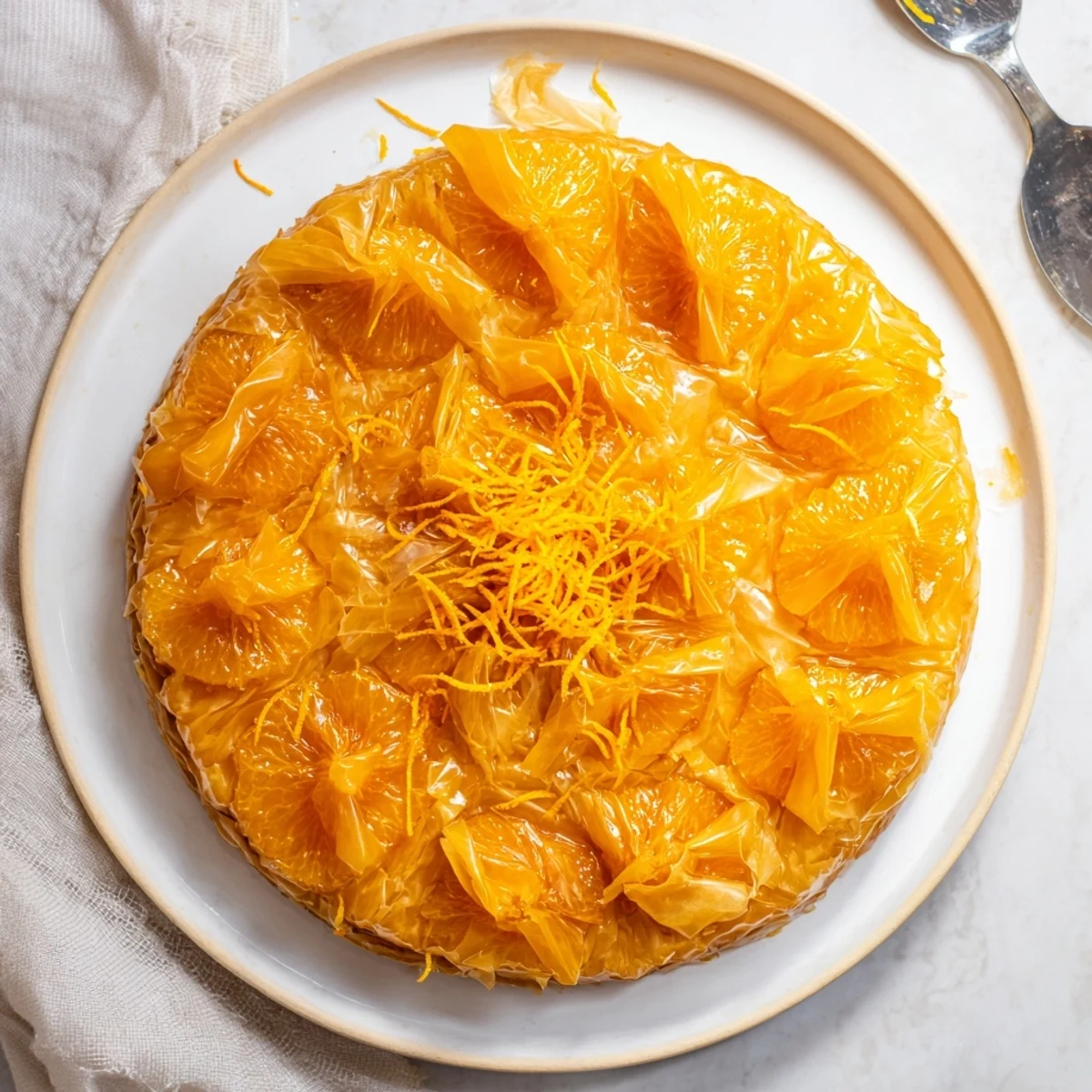
Save Portokalopita brings together the shatteringly crisp texture of phyllo pastry with a rich, custard-like yogurt batter. The magic happens when hot orange-infused syrup is poured over the freshly baked creation, transforming each layer into tender, fragrant perfection.
The key lies in letting phyllo sheets dry slightly before crumpling—this creates those irresistible crispy pockets that capture the sweet orange-cinnamon syrup. Fresh orange zest in both the batter and syrup provides bright, natural citrus flavor throughout.
Allow at least two hours for the syrup to fully absorb before serving. This resting period is essential for achieving that signature moist-yet-crispy texture that makes Portokalopita so beloved in Greek households.
Last summer, my neighbor Maria brought over this sticky, orange scented cake after I'd mentioned craving something that wasn't chocolate. The phyllo gave it this incredible shatter, like biting into caramelized pastry, and the syrup soaked all the way through to the bottom. I've been making it ever since, usually when oranges are at their perfumed peak and I need something that feels like a hug in dessert form.
I made this for a dinner party back in November, right when the weather turned cold, and my friend Sarah literally stopped mid conversation after her first bite. She said it reminded her of the time she studied abroad in Athens, sitting in a tiny cafe while street vendors roasted chestnuts nearby. Now every time I zest oranges for this recipe, I think about how food can transport someone across an ocean with just one forkful.
Ingredients
- Phyllo sheets: Letting them dry out slightly before crumbling creates better texture pockets for the syrup to find
- Greek yogurt: Full fat is non negotiable here for that luxurious creaminess in every bite
- Orange zest: Use a microplane and really press into the fruit to get the aromatic oils, not just the colored part
- Cinnamon stick: One whole stick infuses the syrup without overpowering the bright citrus notes
Instructions
- Prep your phyllo:
- Spread the sheets out on a clean counter and let them sit uncovered for about an hour until they feel slightly dry and brittle to the touch, then crumple them into rough irregular pieces.
- Make the custard base:
- Whisk your eggs and sugar until they turn pale and almost doubled in volume, then stir in the yogurt, oil, vanilla, orange zest, and baking powder until everything is smooth.
- Combine everything:
- Gently fold the crumpled phyllo into the batter, taking care to coat every piece evenly without breaking them down too much.
- Bake until golden:
- Spread the mixture into your greased baking dish and bake for 40 to 45 minutes until the top is deeply golden and a skewer inserted in the center comes out clean.
- Simmer the syrup:
- While the pie is in the oven, combine water, sugar, orange juice, cinnamon stick, and orange zest in a saucepan, bring to a boil, then reduce heat and simmer for 8 minutes before cooling completely.
- The syrup soak:
- Pull the pie from the oven and slowly pour the cooled syrup over the hot surface, watching it disappear into all those crispy crevices.
- Patience pays off:
- Let the cake rest for at least two hours so the syrup can fully penetrate every layer before slicing into squares.
 Save
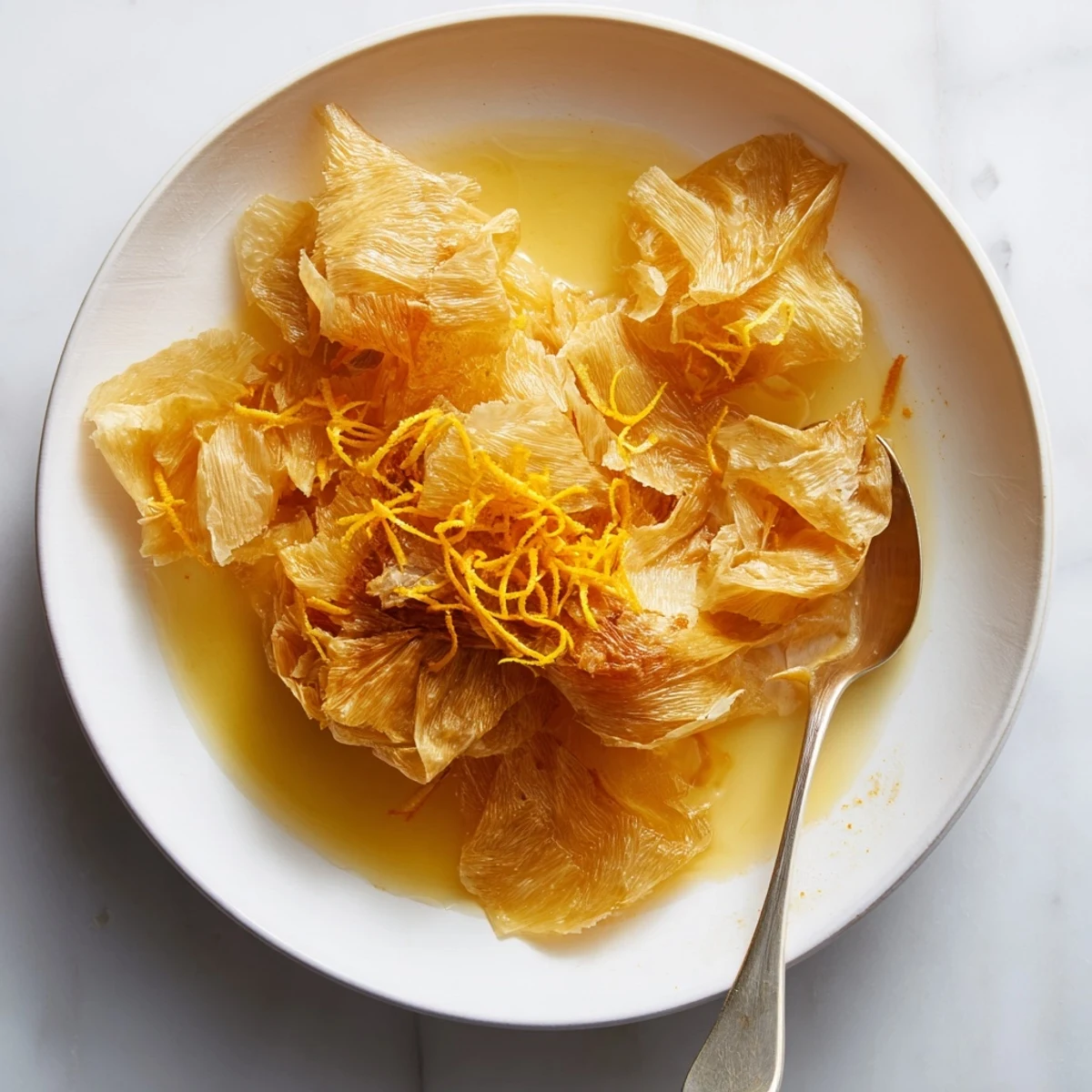
Save My mom called me while I was pouring the syrup over my first attempt, and I kept putting the phone down to watch the liquid disappear into the pie like magic. There's something meditative about that final step, standing in a warm kitchen while orange and cinnamon fill the air, knowing you're about to create something that'll make people close their eyes when they taste it.
Getting The Phyllo Right
I've learned that phyllo can be intimidating until you realize that for this recipe, you actually want it to dry out and get a little brittle. Don't worry about tearing it when you crumple the sheets, those irregular pieces are exactly what create all the wonderful texture variations once the syrup hits them.
Syrup Timing Matters
The first time I made this, I rushed and poured warm syrup over a slightly cooled pie, and I ended up with something closer to bread pudding than the distinct layers I wanted. Now I always make the syrup first so it has plenty of time to cool while the pie bakes, guaranteeing that perfect contrast between crisp and soaked.
Serving Suggestions
This dessert is exceptional on its own, but a dollop of unsweetened whipped cream or a scoop of vanilla bean ice cream creates this lovely temperature contrast. I've also served it alongside strong Greek coffee, the bitterness balancing all that sweet citrus beautifully.
- Let it come to room temperature before serving for the best texture
- Store covered at room temperature for up to three days
- The flavors actually deepen after the first day
 Save
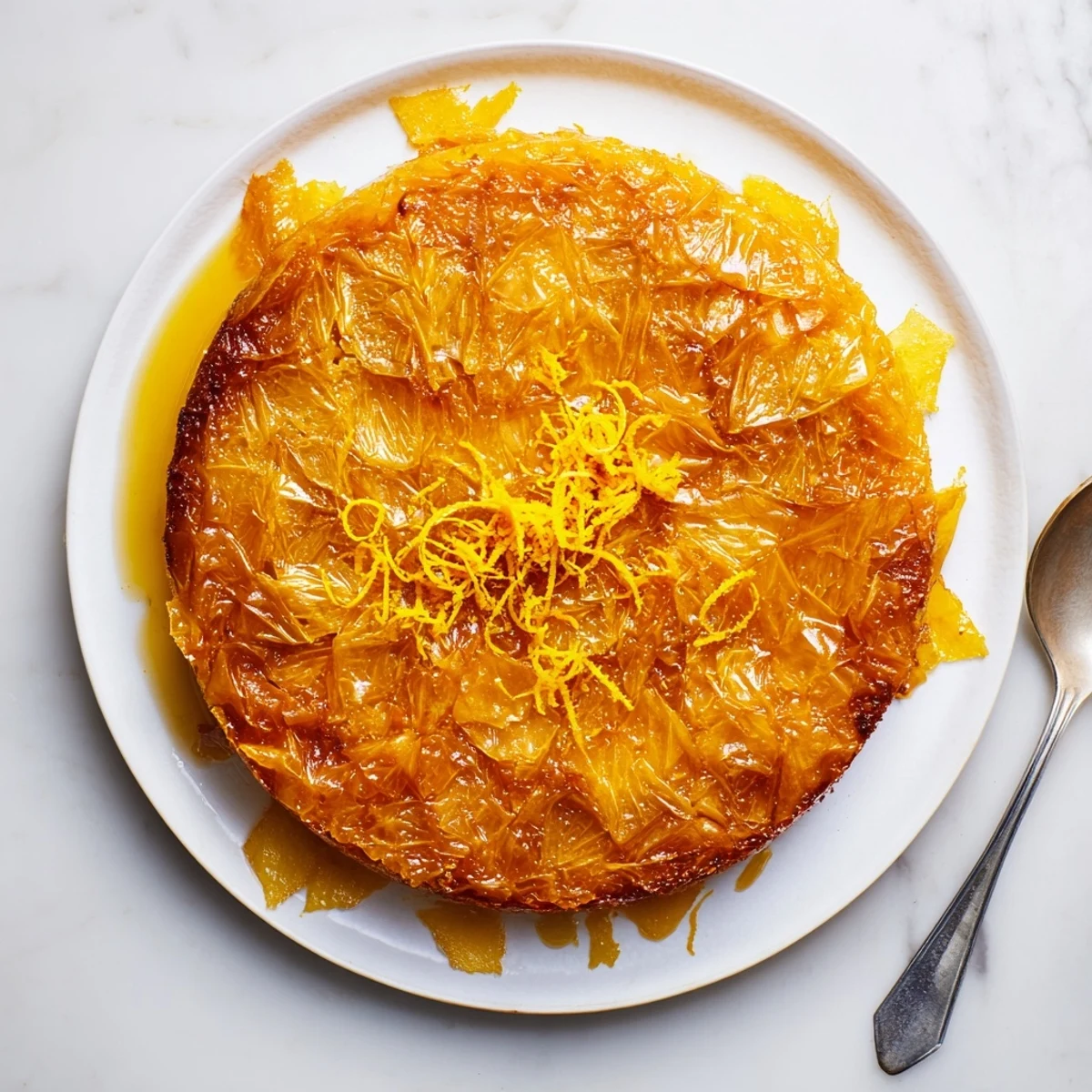
Save There's nothing quite like cutting into a square of this while it's still slightly warm from the syrup, the orange perfume hitting you before you even take a bite. It's the kind of dessert that turns an ordinary Tuesday into something worth celebrating.
Recipe FAQs
- → What makes Portokalopita different from other Greek desserts?
-
Portokalopita stands out for its unique texture—crumpled phyllo sheets create crispy, airy layers that absorb the orange syrup differently than traditional phyllo pastries. The yogurt-based batter adds creaminess while maintaining structural integrity.
- → Can I prepare Portokalopita in advance?
-
Absolutely. In fact, Portokalopita improves with time. The flavors deepen and the texture becomes more balanced after 12-24 hours in the refrigerator. Serve chilled or bring to room temperature before enjoying.
- → Why must the syrup be cooled before pouring?
-
Pouring cooled syrup over hot pastry prevents the phyllo from becoming soggy. The temperature contrast allows gradual absorption, maintaining crispy edges while ensuring the center becomes tender and moist.
- → What's the purpose of drying phyllo sheets?
-
Drying phyllo for one hour makes them pliable yet slightly crisp, perfect for crumpling without tearing. This technique creates those signature textured layers that hold syrup beautifully while maintaining crunch.
- → Can I substitute the Greek yogurt?
-
For authentic results, use full-fat Greek yogurt. Its thick, creamy texture provides structure and richness. Plain yogurt can work but may result in a slightly softer, less traditional consistency.
- → How do I know when Portokalopita is properly baked?
-
The surface should be deep golden brown, and a skewer inserted in the center should come out clean. The edges will be crisp and slightly pulling away from the pan edges—typically after 40-45 minutes at 180°C.