
 Save
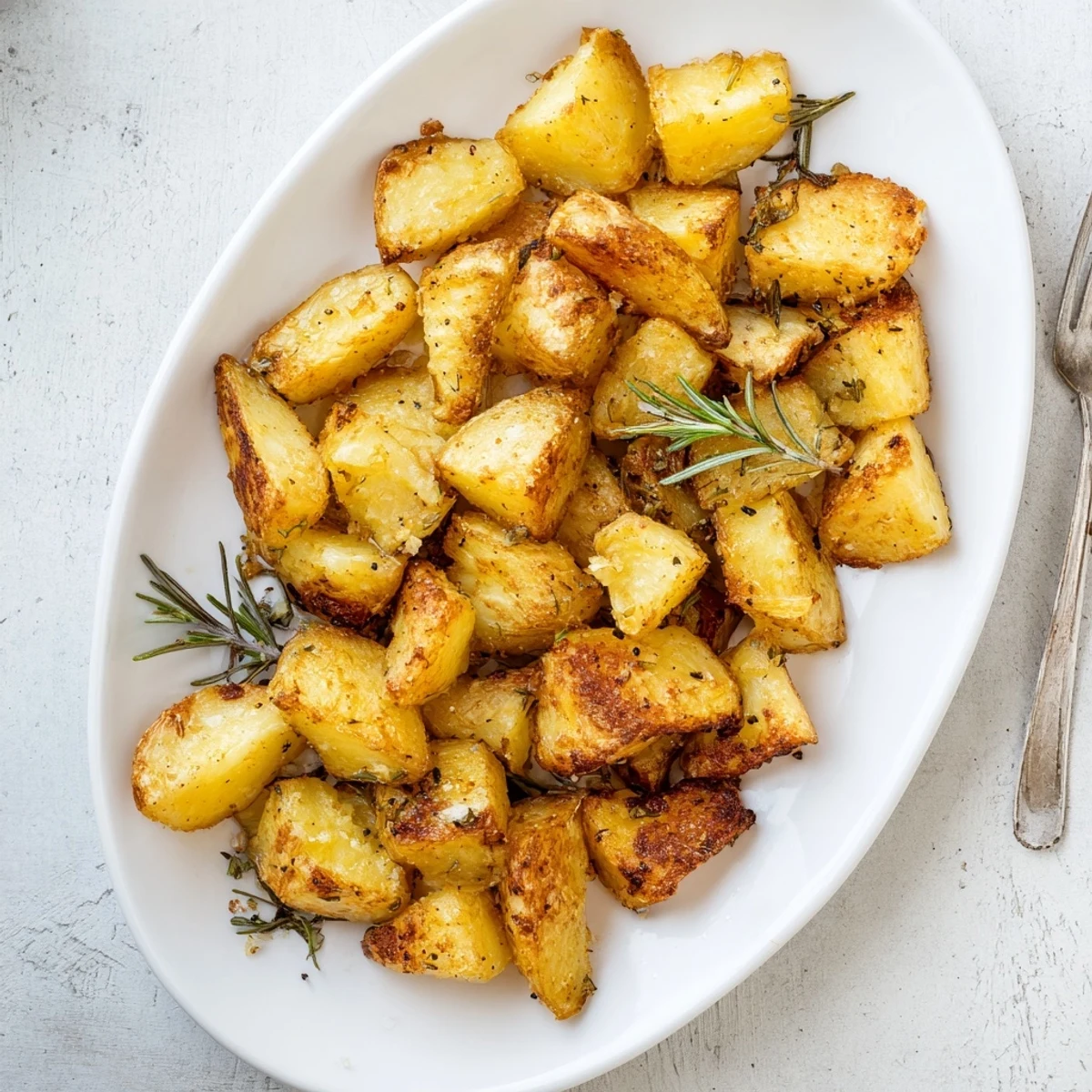
Save These classic roast potatoes deliver the perfect combination of crispy, golden exteriors and light, fluffy interiors. The secret lies in parboiling the potatoes first to soften the edges, then roughening them in the pan to create those signature crispy ridges.
Roasting at high heat in hot fat ensures even browning and maximum crunch. Duck or goose fat produces the most flavorful results, though vegetable oil works beautifully too. Add garlic and herbs like rosemary or thyme for aromatic depth.
The straightforward technique involves just 15 minutes of prep before the oven does the work. These versatile potatoes complement roast meats, poultry, or shine as a satisfying vegetarian main course.
Standing in my grandmothers kitchen on a rainy Sunday afternoon I watched her transform humble potatoes into something extraordinary. The sound of them rattling in the pan as she roughened the edges became etched in my memory as the secret to perfect roast potatoes. That afternoon I learned that great cooking often comes from the simplest techniques applied with care and attention.
Last Christmas I made three batches of these potatoes because my family kept eating them straight from the roasting tray before they even made it to the table. The house filled with that incredible roasted potato aroma that somehow makes everyone gravitate toward the kitchen.
Ingredients
- 1.5 kg floury potatoes: Maris Piper or Yukon Gold varieties have the perfect starch content to achieve that fluffy interior while maintaining structure during roasting
- 1 tbsp salt for boiling: Salting the cooking water seasons the potatoes from the inside out which is crucial for well seasoned results
- 75 ml vegetable oil or duck fat: Duck fat delivers the most incredible flavor and crispest results but vegetable oil works beautifully for a lighter version
- 1 tsp sea salt flakes: Flaky salt adheres better to the crispy edges creating those wonderful bursts of salinity in every bite
- 2 cloves garlic and rosemary: These aromatics infuse the oil as the potatoes roast creating layers of flavor beyond simple salt and pepper
Instructions
- Preheat your oven and roasting tray:
- Getting the roasting tray ripping hot before the potatoes touch it is absolutely essential for creating that immediate crispy seal
- Parboil the potatoes:
- Starting in cold water with salt ensures even cooking while the brief simmer softens the edges just enough for the next crucial step
- Roughen the edges:
- Shaking the drained potatoes in the pan creates those rough surfaces that will transform into the crispy golden bits everyone fights over
- Coat with hot fat:
- Pouring the hot oil over the potatoes in the pan rather than the tray ensures every surface gets coated in that delicious fatty layer
- Roast to perfection:
- The high heat and single layer arrangement allow each potato to develop that gorgeous golden crust while the steaming interior stays fluffy
 Save
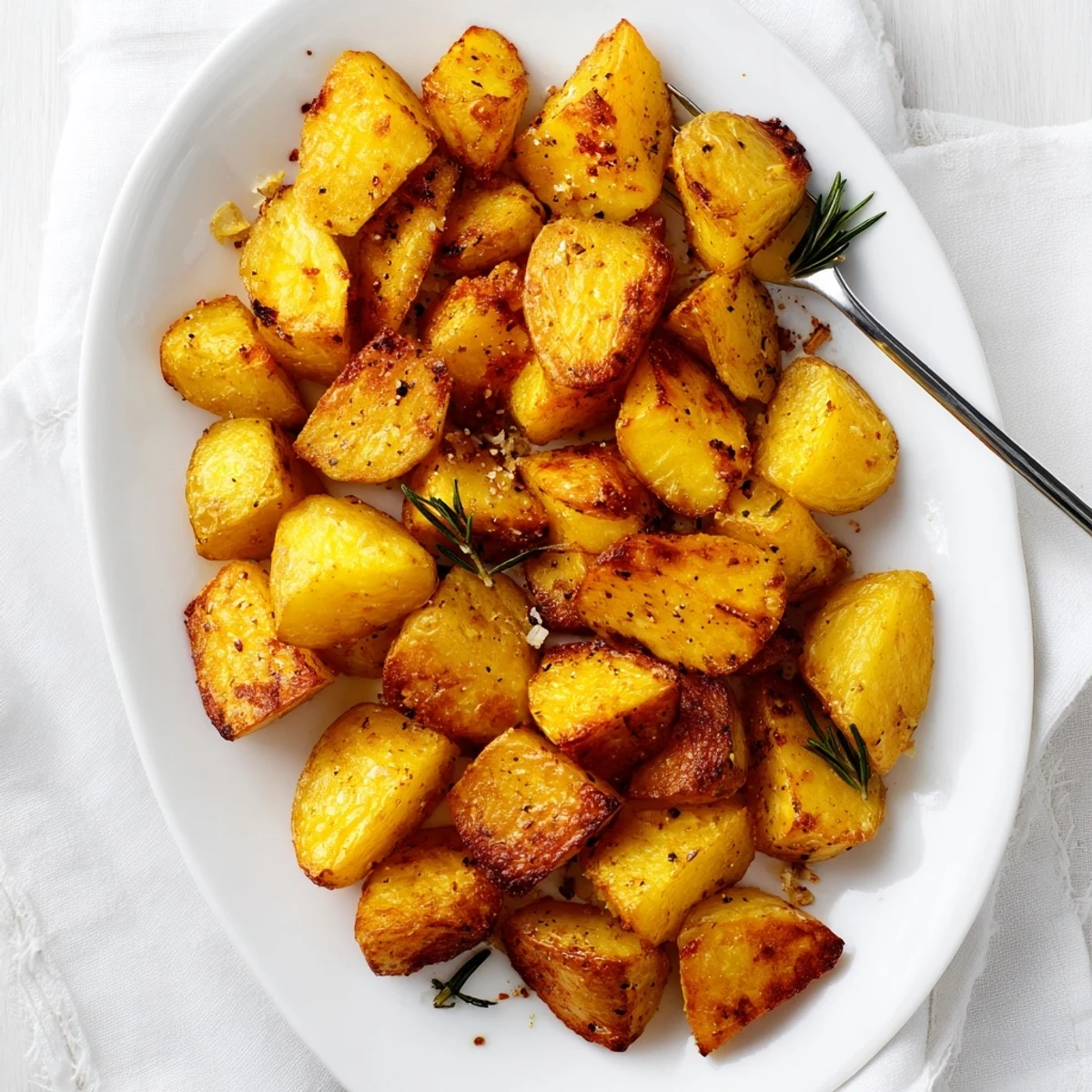
Save My friend Sarah who claimed to dislike roast potatoes tried these and ended up eating six servings before admitting she had been wrong about roast potatoes her entire life. Watching someone discover that properly cooked roast potatoes are a completely different food from mushy ones is genuinely one of my favorite kitchen moments.
Choosing the Right Fat
After years of experimenting with every possible fat I have found that each option brings something special to the table. Duck fat renders the most exceptionally crispy exterior while goose fat adds a luxurious richness. Vegetable oil produces a cleaner taste that lets the potato flavor really shine and creates a lighter finish perfect for summer meals.
The Fluffy Factor
The type of potato you choose will make or break your results. Waxy potatoes simply will not develop that desired fluffy interior no matter how perfectly you execute the technique. Floury varieties like Maris Piper or Yukon Gold have the right cellular structure to create that cloud like texture that contrasts so beautifully with the crispy exterior.
Timing Is Everything
The difference between perfect roast potatoes and disappointing ones often comes down to just a few minutes in the oven. You want to wait until the edges have turned a deep golden brown with some darker almost burnt bits which are actually the most flavorful parts. Resist the urge to pull them out too early because that final ten minutes is where the magic really happens.
- Set a timer for the 20 minute flip to ensure even browning on all sides
- If your potatoes are crowding each other use two trays rather than risking soggy results
- Let the tray heat up again between batches if you are cooking for a crowd
 Save
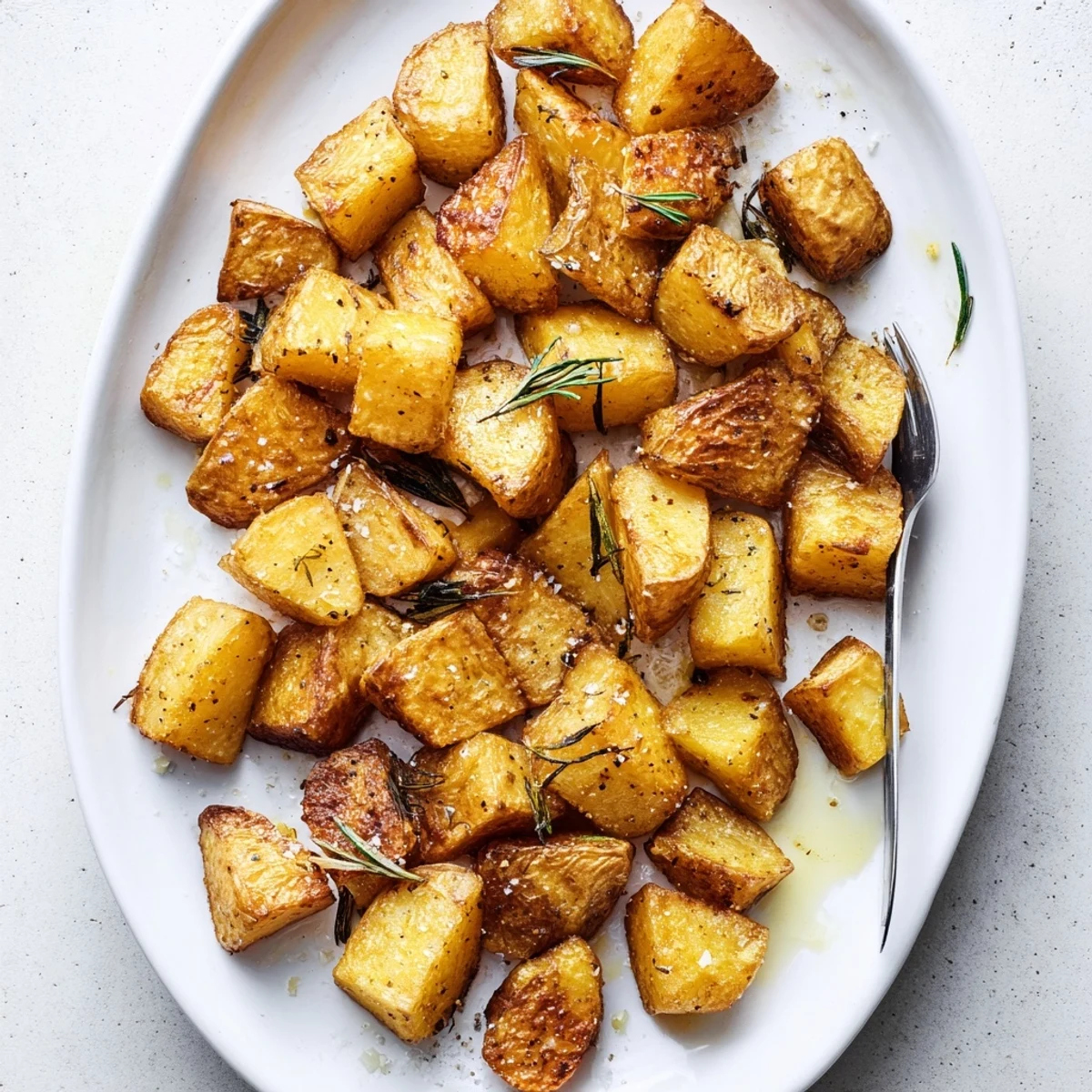
Save There is something deeply satisfying about serving a platter of perfectly roasted potatoes and watching them disappear as people reach for just one more. These humble spuds have a way of making any meal feel like a special occasion.
Recipe FAQs
- → What potatoes are best for roasting?
-
Floury varieties like Maris Piper, Yukon Gold, or Russet work best. Their high starch content creates fluffy interiors while developing crispy exteriors during roasting.
- → Why do you parboil potatoes before roasting?
-
Parboiling softens the potato edges, allowing the surface to become rough and textured. This creates more surface area for crisping while ensuring the inside cooks through evenly.
- → Can I make these ahead of time?
-
Yes. Parboil and roughen the potatoes, then freeze on a tray before transferring to bags. Roast from frozen, adding 10-15 minutes to the cooking time.
- → What fat makes the crispiest roast potatoes?
-
Duck or goose fat yields exceptional crispiness and rich flavor. For a vegetarian option, vegetable oil works well, while olive oil adds subtle fruitiness.
- → How do I keep roast potatoes crispy?
-
Ensure they're spread in a single layer without overcrowding the tray. Serve immediately after roasting, as prolonged sitting causes them to soften from steam.