
 Save
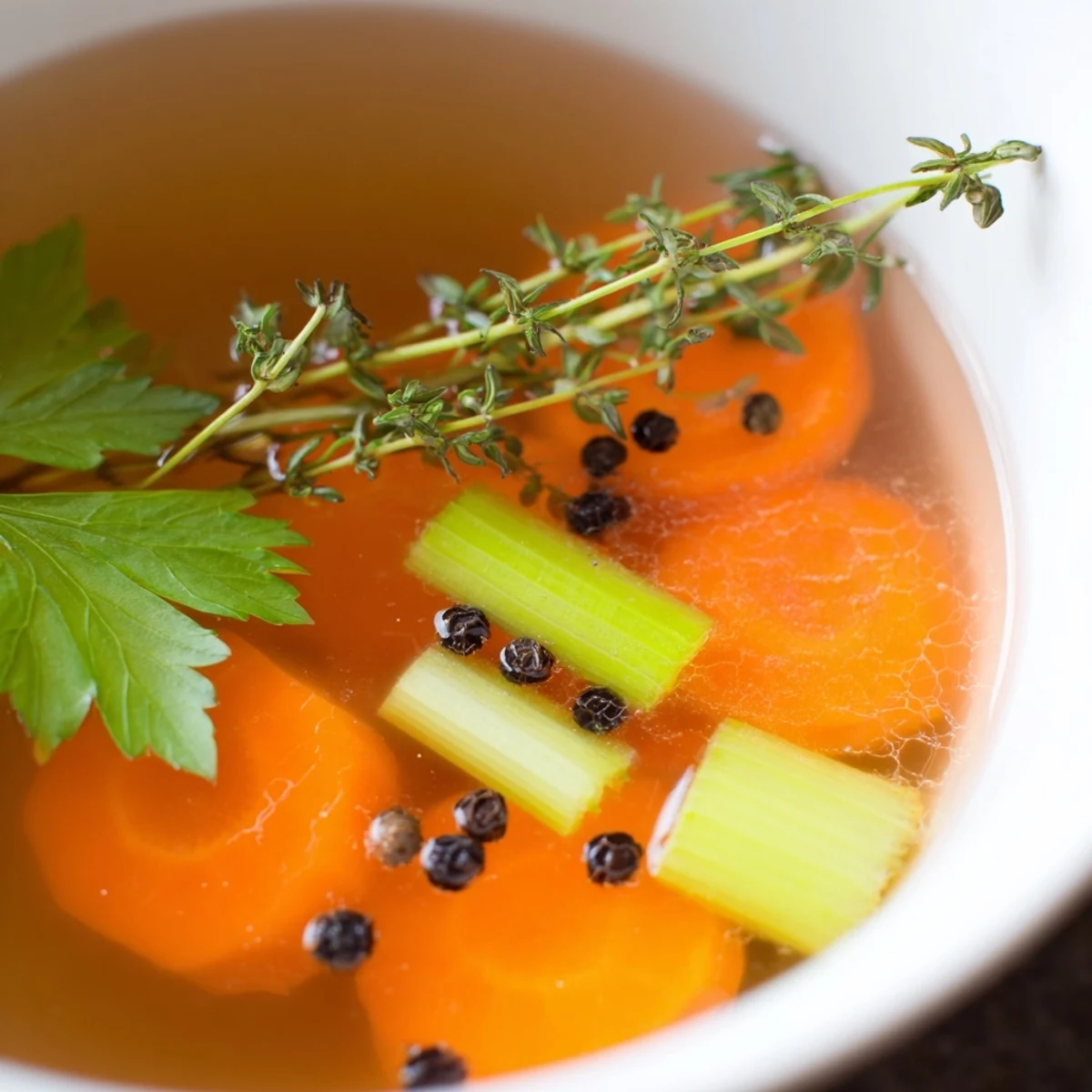
Save This wholesome broth combines fresh vegetables like carrots, celery, and onion with aromatic herbs such as parsley, thyme, and dill, simmered gently to create a rich, flavorful liquid. Ideal as a versatile base for a variety of dishes or enjoyed simply on its own, this broth is easy to prepare, naturally vegan and gluten-free, and captures bright, comforting flavors. Roasting vegetables beforehand adds depth, while simmering extracts nourishing essence. Straining ensures clarity for a clean taste, perfect for cooking or sipping.
I started making my own vegetable broth after a snowstorm left me with a fridge full of wilting vegetables and no way to get to the store. What began as a way to avoid waste turned into one of my most-used kitchen staples. The smell alone—earthy carrots, sweet leeks, and thyme—makes the whole house feel alive. Now I keep a bag of vegetable scraps in the freezer just so I always have an excuse to simmer a pot.
I remember serving a simple risotto to friends who raved about the depth of flavor, and I realized it was the broth doing all the work. That night taught me that great cooking often starts with a great foundation. Since then, I've used this broth in everything from weeknight soups to holiday gravy. It's become my quiet kitchen secret.
Ingredients
- Carrots: They add natural sweetness and a golden color to the broth, so don't skip them even if they're a little soft.
- Celery: This brings a subtle savory backbone that balances the sweetness of the other vegetables.
- Onion: Leaving the skin on adds a rich amber hue, but peel it if you prefer a lighter broth.
- Leek: Leeks lend a mild, almost creamy flavor that makes the broth feel more complex without overpowering it.
- Parsnip: Optional but wonderful, it adds a gentle earthiness that makes the broth taste like it simmered all day.
- Garlic: Smashing the cloves releases their oils slowly, infusing the broth with warmth instead of sharpness.
- Fresh parsley: Use the stems too, they carry more flavor than the leaves and add a bright, green note.
- Thyme: A little thyme goes a long way, threading through the broth with a quiet herbal grace.
- Bay leaves: They bring a subtle woodsy depth that you only notice when it's missing.
- Dill or rosemary: Dill makes it lighter and springlike, rosemary makes it more robust and wintery, choose based on your mood.
- Black peppercorns: Whole peppercorns add a gentle warmth without making the broth spicy or cloudy.
- Salt: Start with less than you think, you can always add more once it's strained and you taste the final broth.
- Cold water: Starting with cold water helps extract more flavor from the vegetables as it slowly heats up.
Instructions
- Prep the Vegetables:
- Wash, peel, and chop everything into rough chunks, no need for precision here. The vegetables will be strained out, so focus on exposing as much surface area as possible for flavor.
- Combine in the Pot:
- Toss all the vegetables, herbs, peppercorns, and salt into your largest stockpot. It should look like a colorful, fragrant pile of garden goodness.
- Add Water and Bring to a Boil:
- Pour in the cold water and set the pot over medium-high heat. Watch for the moment it starts to bubble gently, then immediately turn the heat down.
- Simmer Gently:
- Lower the heat until you see just a few lazy bubbles breaking the surface. Partially cover the pot and let it simmer for a full hour, the kitchen will smell incredible.
- Skim the Foam:
- Every 15 minutes or so, use a spoon to skim off any foam or cloudiness that floats to the top. This keeps the broth clear and clean tasting.
- Cool Slightly:
- Turn off the heat and let the pot sit for 10 minutes. This makes it safer to handle and gives the flavors a moment to settle.
- Strain and Taste:
- Pour the broth through a fine-mesh sieve or cheesecloth into a large bowl, pressing gently on the solids to extract every drop. Taste it and add a pinch more salt if needed.
- Store or Use:
- Use it right away in your favorite recipe, or let it cool completely before transferring to jars or freezer bags. Label and date everything so future you says thank you.
 Save
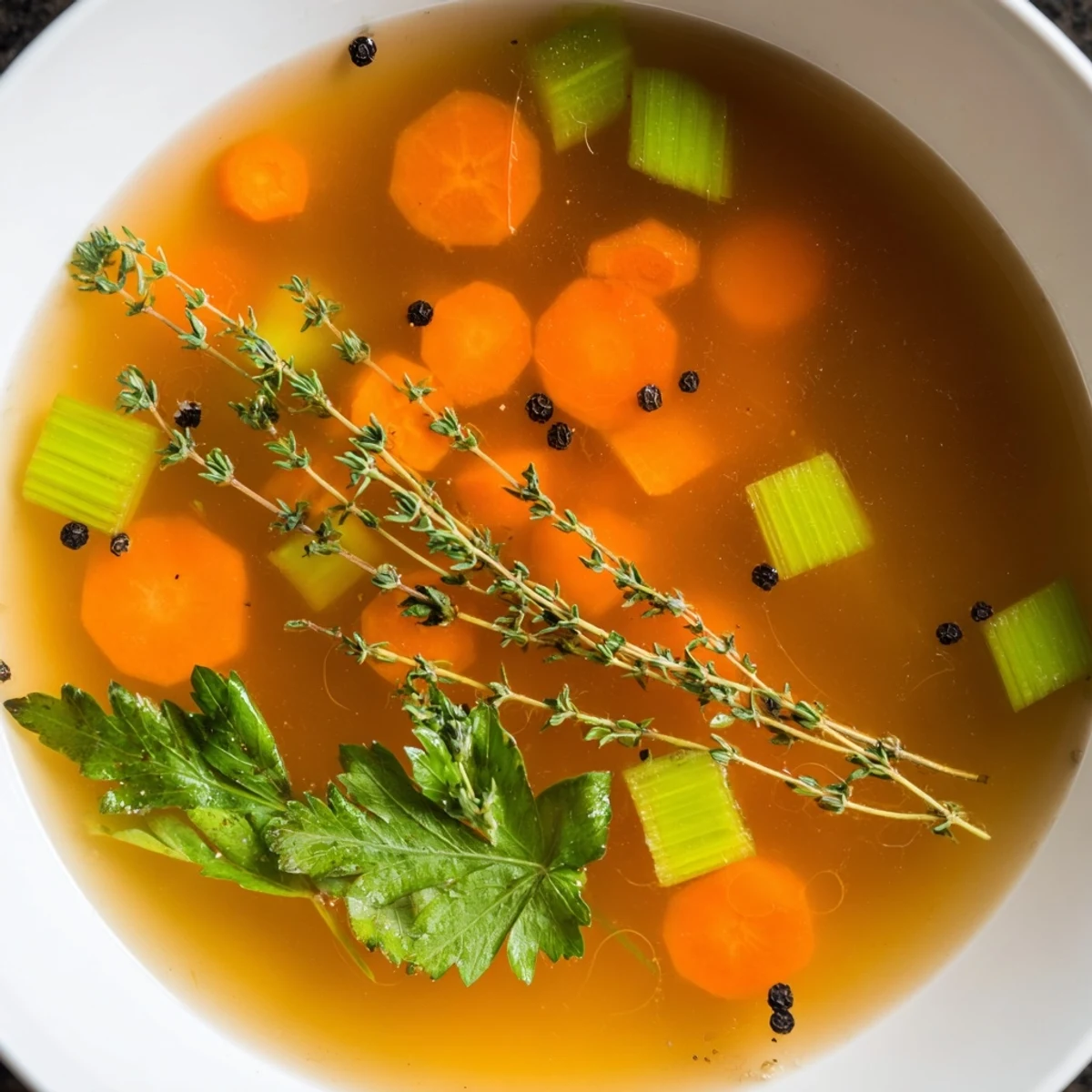
Save One evening I poured a mug of this broth, added a squeeze of lemon, and sipped it while reading by the window. It wasn't fancy, but it felt nourishing in a way that went beyond food. That's when I realized this broth wasn't just an ingredient, it was comfort I could pour into a bowl.
Flavor Variations to Try
I once added a handful of mushroom stems I'd saved from another recipe, and the broth took on an earthy, almost meaty richness that was perfect for a winter stew. A few slices of fresh ginger and a star anise pod can nudge it in an Asian direction, beautiful under ramen or in a hot and sour soup. If you love fennel, toss in the fronds and trimmings for a subtle licorice note that pairs wonderfully with seafood dishes.
How to Store and Freeze
I learned the hard way to let the broth cool completely before sealing it in jars, otherwise condensation builds up and it spoils faster. In the fridge, it stays fresh for up to five days, and I like to keep a jar front and center so I remember to use it. For freezing, I pour it into silicone muffin tins or ice cube trays, then pop out the frozen blocks and store them in a zip-top bag so I can grab exactly what I need.
Ways to Use This Broth
This broth has become my go-to for deglazing pans, cooking grains, and thinning sauces that got too thick. I've used it to poach chicken, braise greens, and even as the base for a simple egg drop soup on nights when I didn't feel like cooking.
- Swap it in for water when making rice, quinoa, or couscous for instant flavor.
- Heat a mug of it with miso paste and green onions for a quick, soothing snack.
- Use it to make a silky vegetable soup by blending it with roasted squash or cauliflower.
 Save
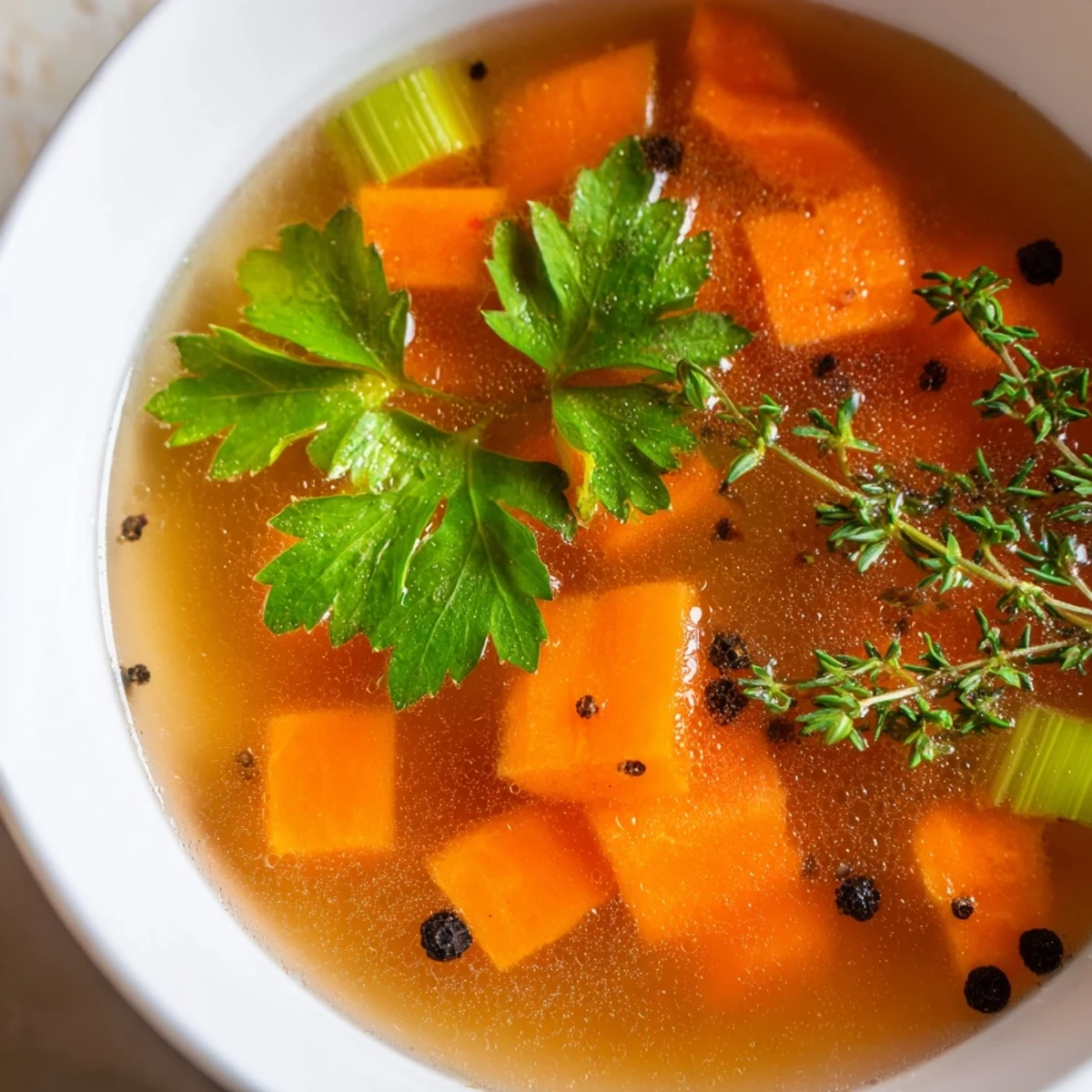
Save There's something quietly powerful about making your own broth, it's a small act of care that ripples through every meal you make with it. I hope this becomes a staple in your kitchen, too.
Recipe FAQs
- → Which vegetables enhance the flavor best?
-
Carrots, celery, onion, leek, and parsnip create a balanced, rich base, while garlic adds depth.
- → Can herbs be substituted or omitted?
-
Yes, parsley, thyme, dill, or rosemary provide aromatic notes; feel free to adjust based on preference.
- → What is the benefit of roasting the vegetables first?
-
Roasting intensifies flavors by caramelizing natural sugars, resulting in a deeper broth taste.
- → How long should the broth simmer for best results?
-
Simmering for about one hour allows flavors to fully meld and develop richness.
- → How should the broth be stored after preparation?
-
Store cooled broth in the refrigerator for up to five days or freeze for up to three months.