
 Save
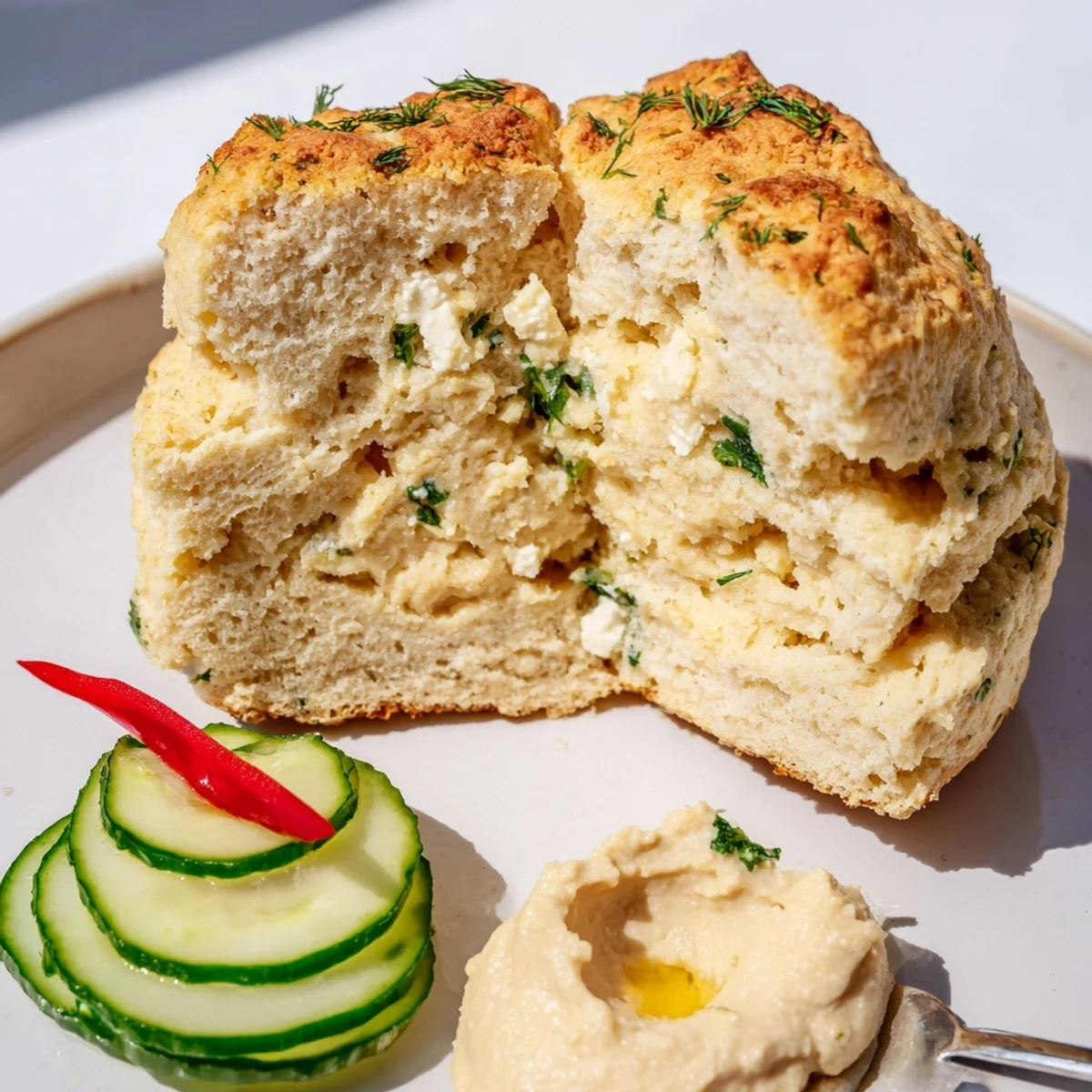
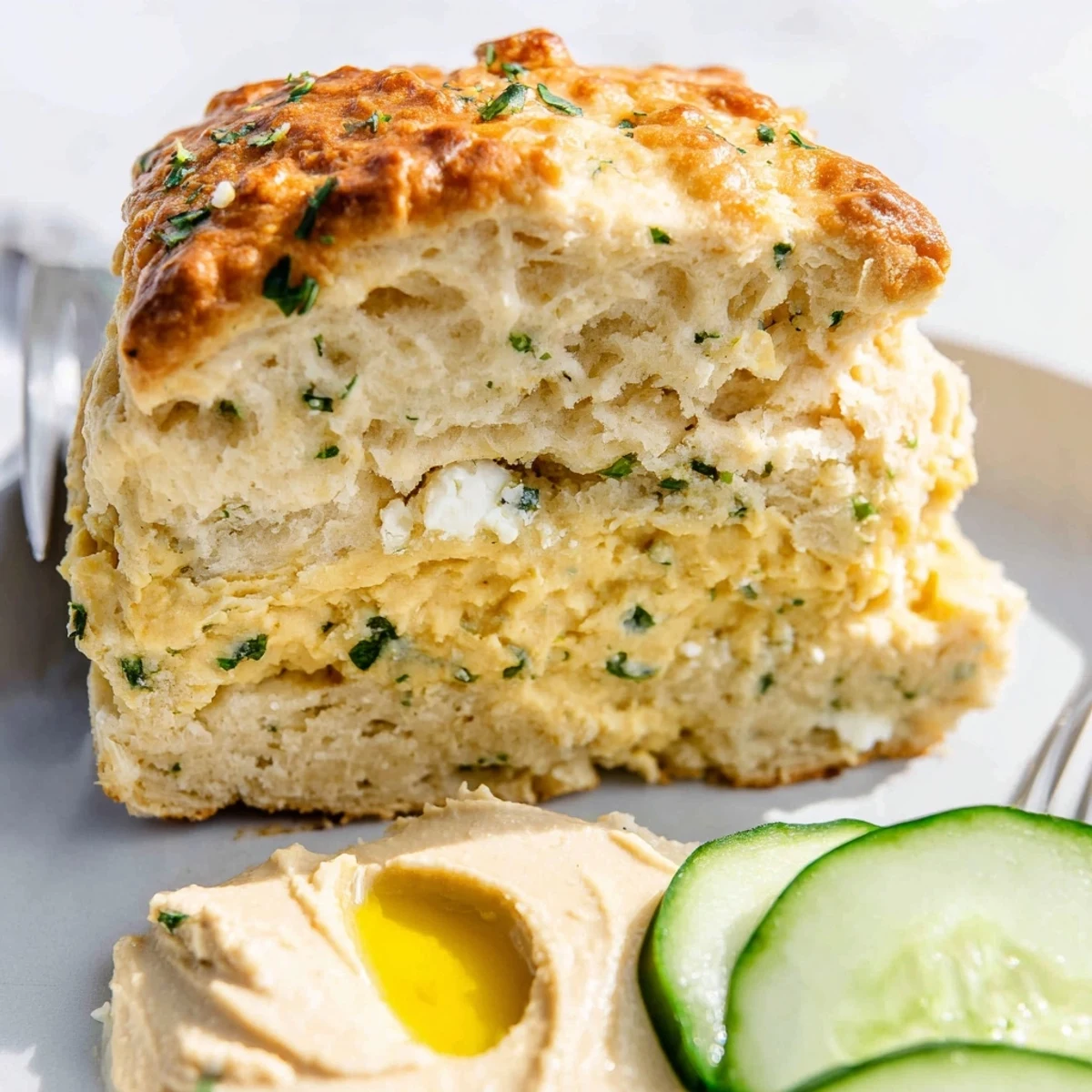
Save Fluffy, savory humous scones blend flour, baking powder and a hint of cumin with cold butter and creamy hummus for a tender, slightly crumbly crumb. Mix briefly with milk and egg, fold in herbs or feta if desired, cut rounds and bake at 200°C for 18–20 minutes. Ready in about 35 minutes and yields eight scones; vegan swaps are simple.
The radiator in my kitchen was rattling something fierce that Tuesday, and I had a tub of hummus that was two days from going off. I stared at it, then at the flour canister, and thought why not. The scones that came out of the oven twenty minutes later were so unexpectedly good that my neighbor Sandra, who had come round to complain about the radiator, ate three of them standing at the counter.
I brought a batch to a potluck at my friends flat last spring and watched people abandon the fancy charcuterie board to reach for these instead. There is something about a warm savory scone that bypasses all pretension and goes straight to comfort.
Ingredients
- 250 g all-purpose flour: The backbone of the scone and plain flour gives you that tender crumb without any toughness.
- 2 tsp baking powder: Fresh baking powder is non-negotiable here since these rely entirely on it for their rise.
- Salt and ground cumin: A half teaspoon of salt balances everything and that optional pinch of cumin adds a warm earthy note that makes people ask what your secret is.
- 60 g unsalted butter, cold and cubed: Cold butter creates steam pockets as it bakes and that is what gives you those beautiful flaky layers.
- 125 g plain hummus: The star ingredient and any smooth hummus works but a good quality one with olive oil on top is best.
- 80 ml milk: Whole milk gives the richest result but oat or almond milk works beautifully for a dairy-free version.
- 1 large egg: Binds the dough and adds richness and you can brush a little beaten egg on top for a golden finish.
- Fresh parsley or chives and crumbled feta (optional): These add-ins take the scones from great to unforgettable and I highly recommend the feta.
Instructions
- Get the oven hot:
- Preheat your oven to 200 degrees C (400 degrees F) and line a baking sheet with parchment paper. A properly hot oven is what gives scones their initial surge upward.
- Build the dry base:
- In a large bowl, whisk together the flour, baking powder, salt, and cumin if you are using it. Take a moment to really aerate the flour with your whisk because scones love lightness.
- Cut in the butter:
- Drop in the cold cubed butter and rub it in with your fingertips until the mixture looks like coarse sand with a few pea-sized bits remaining. Those larger butter pieces are your future flaky layers so do not overdo it.
- Bring in the hummus:
- Pour in the hummus, milk, and beaten egg, then stir gently with a wooden spoon just until the dough starts to come together. The moment it forms a shaggy mass, stop mixing because overworked dough makes tough scones.
- Fold in the extras:
- If you are using herbs and feta, gently fold them in now with a few light turns. Distribute them evenly but handle the dough as little as possible.
- Shape and cut:
- Turn the dough onto a lightly floured surface and pat it gently into a round about 2.5 cm (1 inch) thick. Use a 6 cm cutter to stamp out rounds and press straight down without twisting so the scones rise evenly.
- Bake until golden:
- Arrange the rounds on your prepared sheet and bake for 18 to 20 minutes until they have puffed up and turned a lovely light gold on top. Your kitchen will smell incredible.
- Cool briefly:
- Let them sit on the tray for just a few minutes before serving warm. They are at their absolute best when still slightly hot in the center.
 Save
Save The second time I made these, my nephew walked in and declared them biscuits, then ate four without coming up for air. I did not bother correcting him because food that disappears that fast does not need a category.
Making Them Your Own
Sun-dried tomatoes chopped small and folded in with the feta create a Mediterranean flavor that pairs perfectly with the hummus. I have also tried kalamata olives and a pinch of zaatar in the dry mix, which turned the scones into something that felt almost Levantine and deeply addictive.
The Vegan Swap Is Easier Than You Think
Use a good plant-based butter, your favorite non-dairy milk, and simply skip the egg, adding a splash more milk if the dough feels dry. The hummus already provides so much moisture and binding power that you will barely notice the egg is gone.
What to Serve Alongside
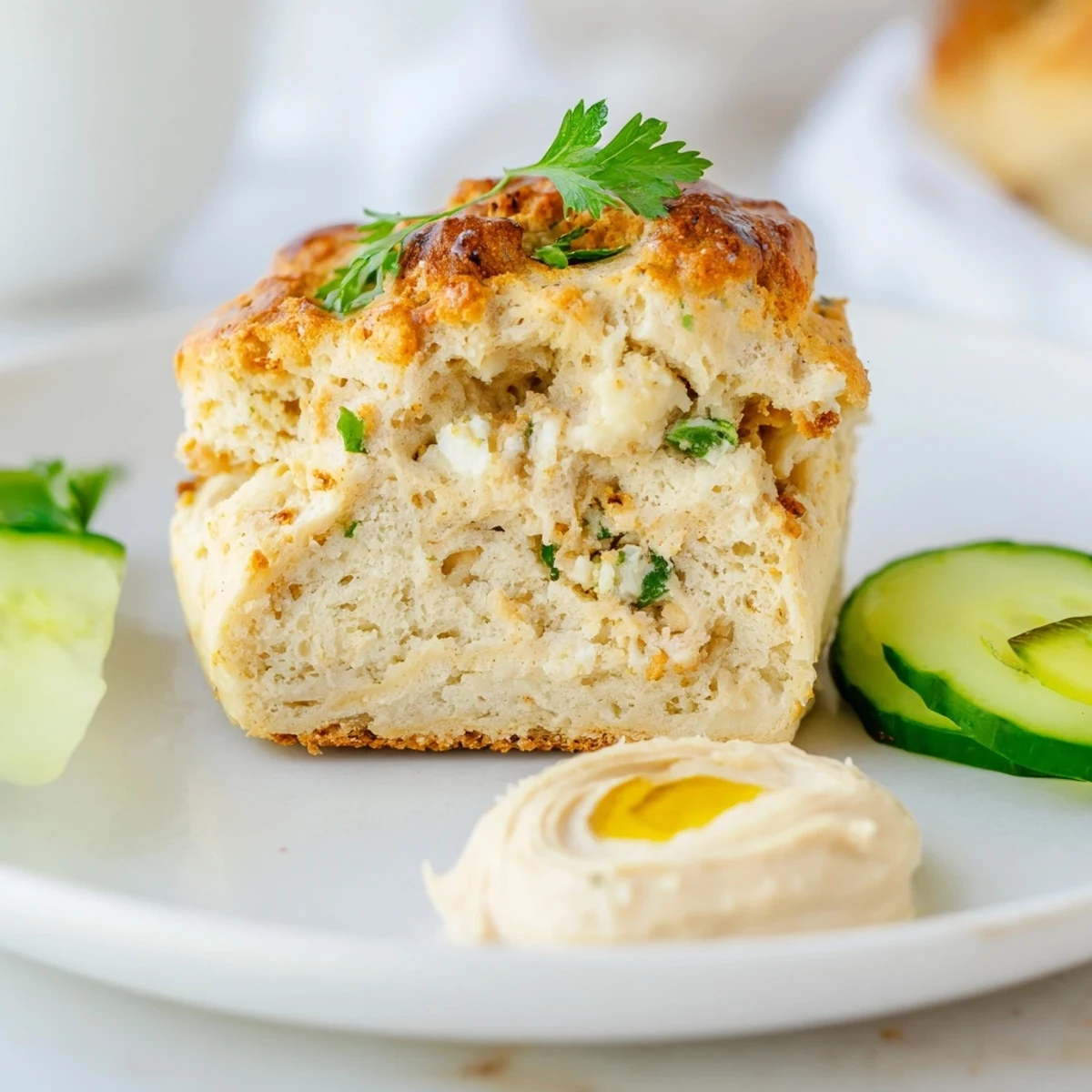
These scones are at their finest split open and spread with extra hummus while still warm, alongside a simple cucumber salad or a bowl of roasted red pepper soup. They also make an excellent afternoon snack with nothing more than a cup of tea.
- A dollop of Greek yogurt on the side adds a cool contrast to the savory scone.
- Roasted peppers layered inside a split scone turn it into a light meal.
- Always serve them warm because the texture changes dramatically once they go cold.
 Save
Save Keep this recipe close because once someone you love tastes these warm from the oven, they will ask you to make them again. That is a promise.
Recipe FAQs
- → Can I use store-bought hummus?
-
Yes — store-bought hummus works well. If it’s very loose, reduce the added milk slightly to keep the dough from becoming too wet.
- → How can I make these vegan?
-
Use plant-based butter, a non-dairy milk and skip the egg; add a little extra milk to bind if the dough feels dry.
- → How should I store leftovers?
-
Cool completely, then keep in an airtight container at room temperature for 2 days or freeze for up to 1 month. Reheat gently to refresh the crust.
- → What mix-ins work best?
-
Chopped parsley or chives, crumbled feta or its vegan alternative, sun-dried tomatoes or olives all add bright, savory notes without altering the bake time much.
- → How do I know when they’re done?
-
They should be risen and lightly golden on top; a skewer inserted into the center comes out clean and the bottoms will sound slightly hollow when tapped.
- → Can I use whole-wheat flour?
-
You can substitute up to half the all-purpose flour with whole wheat; expect a slightly denser crumb and add a touch more milk if the dough seems dry.