
 Save
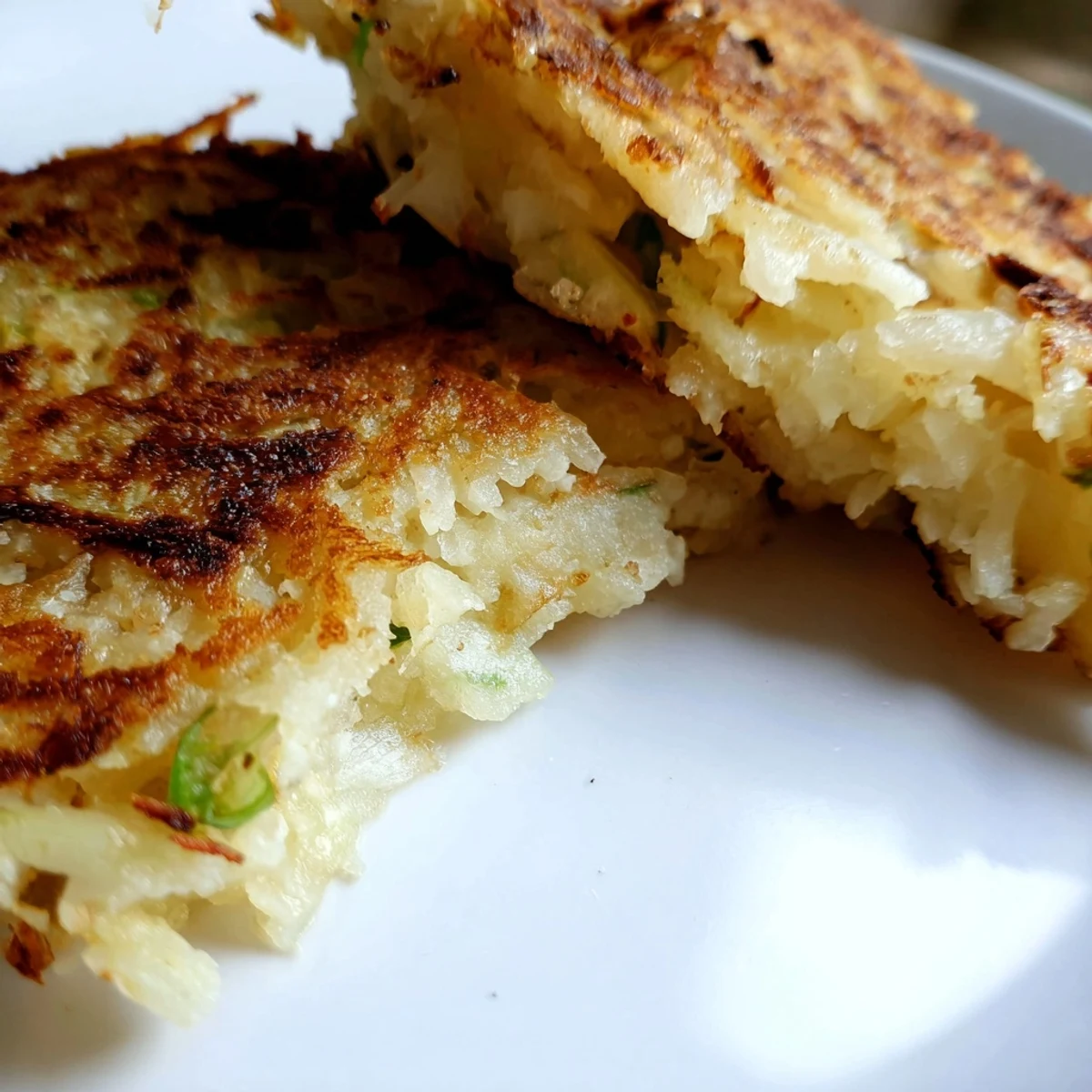
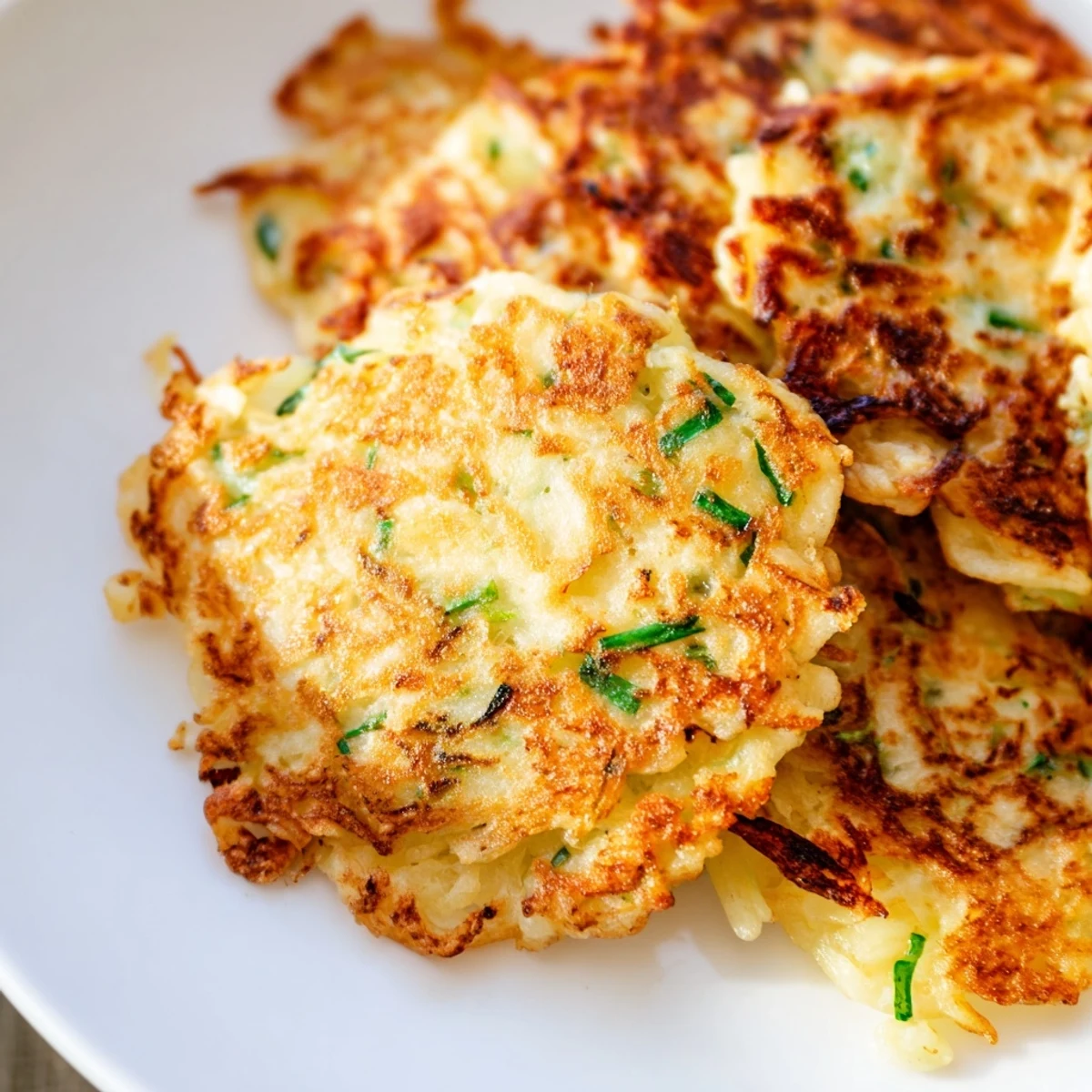
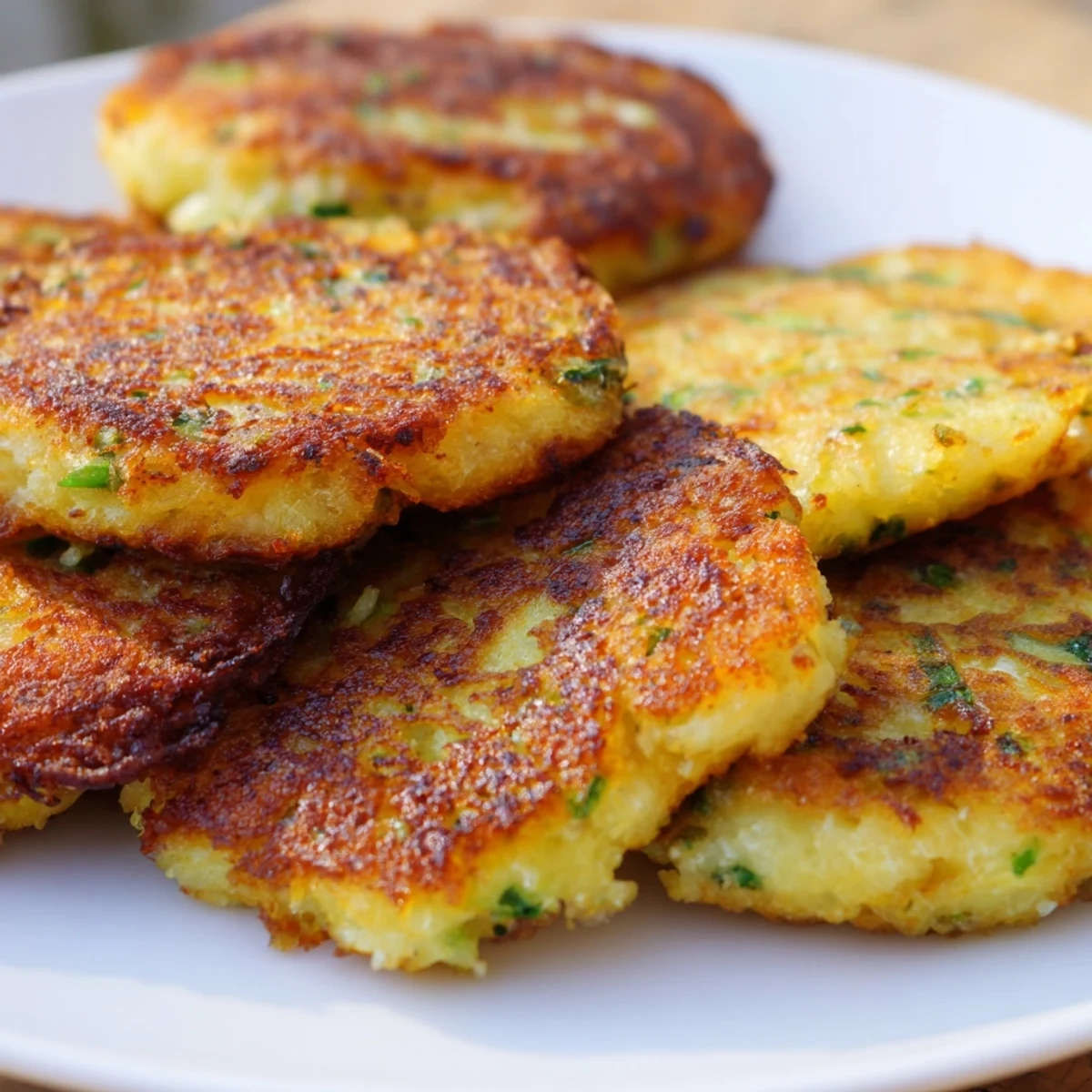
Save Irish potato cakes, or boxty, combine boiled floury potatoes with butter, milk, and flour to create a tender dough. Fresh scallions are folded in for savory flavor. The mixture is patted flat, cut into rounds or triangles, and pan-fried until golden and crisp on both sides. Serve warm with butter, smoked salmon, poached eggs, or as part of a full Irish breakfast. Ready in just 40 minutes with minimal effort.
The first time I made Irish potato cakes was on a rainy Sunday when the kitchen windows steamed up and the house felt especially cozy. I'd found my grandmother's handwritten recipe tucked in an old cookbook, complete with little flour stains around the edges. The simplicity of transforming humble potatoes into something so comforting felt like magic in my hands.
Last St. Patricks Day, I served these scallion-flecked potato cakes alongside a hearty stew, and my usually reserved father-in-law asked for seconds, then thirds. The gentle tapping of forks against plates was interrupted only by murmurs of appreciation as everyone abandoned conversation in favor of savoring each bite.
Ingredients
- Floury potatoes: Russets or Maris Pipers work beautifully here as their higher starch content creates that perfect fluffy interior while allowing for a crisp exterior.
- Scallions: Fresh scallions provide bright little pops of flavor and color that elevate these cakes from simple side to memorable dish.
- Butter: I discovered that using unsalted butter lets you control the seasoning while still delivering that irreplaceable rich flavor that only butter can provide.
- All-purpose flour: The flour binds everything together and helps create that gorgeous golden crust when the cakes hit the hot pan.
Instructions
- Prepare the potatoes:
- Boil your potato chunks in well-salted water until a fork slides in easily, about 12-15 minutes. Let them steam dry in the colander for a minute before returning them to the pot this helps eliminate excess moisture.
- Create the base:
- Mash those potatoes until theyre smooth and dreamy, then beat in the butter and milk until everything looks silky. You want a consistency thats soft but holds its shape.
- Form the dough:
- Gently fold in your flour, salt, and pepper until just combined, then add those beautiful green flecks of scallion. The dough should feel soft and pliable without being sticky.
- Shape your cakes:
- On a lightly floured surface, pat the dough to about half an inch thickness. I find using a drinking glass gives perfect rounds, but a knife cutting triangles works wonderfully too.
- Achieve golden perfection:
- Heat your pan until a flick of water dances across the surface, then add a small pat of butter. Watch as the potato cakes transform, becoming golden and crisp, about 3-4 minutes per side.
 Save
Save On my daughters sixteenth birthday, when I asked what special dinner she wanted, she surprised me by requesting these potato cakes instead of something fancy. As we stood side by side in the kitchen, her hands mimicking mine as we shaped the dough, I realized some recipes become more than food they become quiet traditions that stitch together our days.
Serving Suggestions
These potato cakes have a chameleon-like quality, fitting perfectly alongside so many meals. Ive served them for breakfast topped with a wobbly poached egg, for lunch alongside a simple salad, and for dinner as the perfect vehicle for soaking up savory gravy or stew. The way they transform from humble side to meal centerpiece never ceases to amaze me.
Storage and Reheating
After making one particularly large batch, I discovered these potato cakes freeze beautifully when layered between sheets of parchment paper. When morning chaos hits and time feels scarce, I pull a few from the freezer and pop them directly into a hot pan or toaster oven they crisp up beautifully with almost no effort, bringing weekday breakfasts into weekend territory.
Variations to Try
The beauty of these potato cakes lies in their adaptability to whatever your pantry holds or your mood suggests. One winter evening when the scallions in my crisper had seen better days, I substituted caramelized onions and was rewarded with a deeper, sweeter version that paired perfectly with a robust stew.
- Add a generous handful of sharp cheddar for a cheese-filled version that creates irresistible melty pockets throughout each cake.
- Experiment with herbs like dill, chives, or parsley alongside or instead of the scallions for different aromatic directions.
- Try mixing in leftover cooked vegetables like peas or corn for added texture and nutrition, especially when cooking for little ones.
 Save
Save Theres something deeply satisfying about making these Irish potato cakes, connecting to culinary traditions that have sustained generations through both lean and abundant times. I hope they bring the same comfort and joy to your table that theyve brought to mine.
Recipe FAQs
- → What type of potatoes work best for this dish?
-
Floury or starchy potatoes like Russet or Maris Piper are ideal. They mash smoothly and create a tender crumb. Waxy potatoes tend to be too dense for the proper texture.
- → Can I prepare the dough ahead of time?
-
Yes, you can prepare the dough up to 2 hours ahead. Cover it with plastic wrap and refrigerate. This actually makes cutting easier. Bring to room temperature before cooking for best results.
- → How do I prevent the cakes from sticking to the pan?
-
Use a nonstick frying pan or griddle and ensure there's enough butter melted before cooking. Medium heat prevents burning while allowing the exterior to crisp properly without sticking.
- → What are some serving suggestions?
-
Serve warm with extra butter, smoked salmon and cream cheese, poached eggs, or as a side to a full Irish breakfast. They also pair well with sour cream or Irish cheese.
- → How do I make a vegan version?
-
Simply substitute the unsalted butter with plant-based butter and replace whole milk with a non-dairy alternative like oat or almond milk. The texture and flavor remain excellent.
- → Can I freeze the cooked cakes?
-
Yes, freeze cooked and cooled cakes in an airtight container for up to 3 months. Reheat in a warm skillet with a little butter until warmed through and crispy again.