
 Save
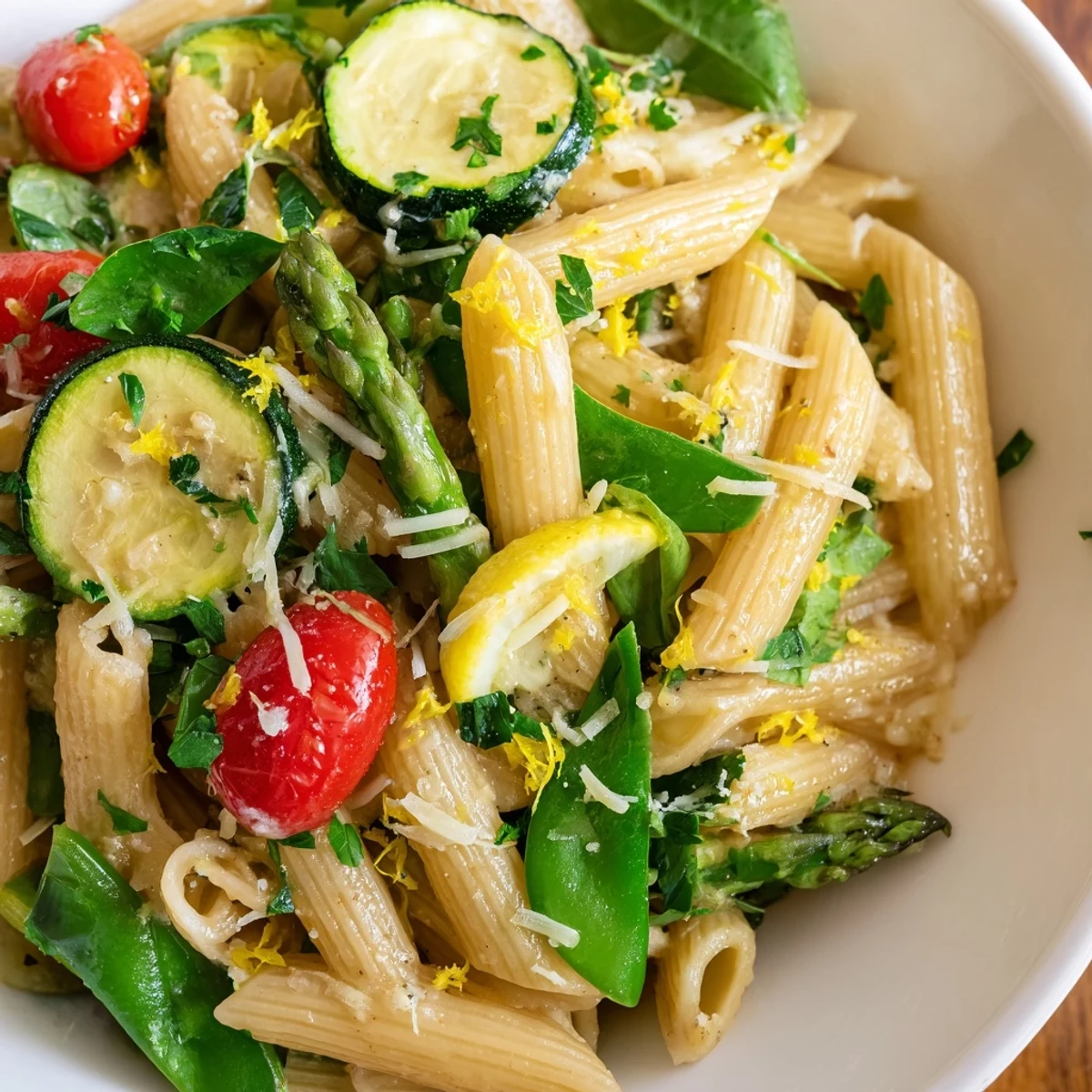
Save This vibrant one-pot pasta brings together tender spring vegetables like asparagus, sugar snap peas, zucchini, and baby spinach with perfectly cooked penne. The vegetables simmer directly in the pasta's cooking liquid, absorbing all the savory flavors while creating a naturally creamy sauce. Ready in just 35 minutes with minimal cleanup, this vegetarian dish celebrates the best of spring produce with bright lemon, garlic, and Parmesan.
Last spring, I found myself at the farmers market without a plan, which is usually how my best discoveries happen. I came home with bags of asparagus, snap peas, and those tiny cherry tomatoes that taste like sunshine. That evening, I threw everything into one pot with pasta, not expecting much, but the result was absolutely glorious.
My sister was visiting that week and watched skeptically as I dumped uncooked pasta directly into the bubbling broth with raw vegetables. She kept asking if I was sure about this method, but the moment she took her first bite, she demanded I write everything down immediately. Now it is her go to for weeknight dinners.
Ingredients
- 340 g penne or fusilli pasta: Short shapes catch the vegetables and broth absorbed sauce better than long noodles
- 1 liter low sodium vegetable broth: Using low sodium is crucial because the liquid reduces and concentrates salt
- 250 ml water: Extra liquid ensures the pasta cooks properly without becoming too salty
- 1 cup asparagus in pieces: Cut into 2.5 cm lengths so they cook evenly and are easy to eat
- 1 cup sugar snap peas: Leave them whole after trimming for satisfying crunch in every bite
- 1 cup zucchini sliced: Halved moons hold their shape better than cubes during cooking
- 1 cup baby spinach: Added at the very end so it wilts but stays bright green
- 1 cup cherry tomatoes halved: They release juices that add natural sweetness to the dish
- 1 small leek sliced: Mild onion flavor that is sweeter and more delicate than regular onions
- 2 cloves garlic minced: Mince it finely so it distributes throughout without bitter chunks
- 2 tbsp olive oil: Starting with oil prevents sticking and adds richness to the broth base
- 1 tsp lemon zest: Use a microplane to get just the fragrant yellow oil, none of the bitter pith
- 2 tbsp lemon juice: Fresh lemon juice brightens all the vegetables and cuts through the starch
- 1/4 cup grated Parmesan: Stir it into the hot pasta so it melts into the sauce
- Salt and black pepper: Taste at the end since the broth and cheese already bring salt
- 2 tbsp fresh basil or parsley: Tear the herbs by hand instead of chopping for better flavor
Instructions
- Build the flavor base:
- Heat olive oil in a large deep skillet or Dutch oven over medium heat, add sliced leek and minced garlic, sauté until soft and fragrant, about 2 minutes.
- Start the pasta:
- Add pasta, vegetable broth, and water to the pot, bring to a boil, stir once, reduce heat to a simmer, cook for 8 minutes while stirring occasionally to prevent sticking.
- Add hearty vegetables:
- Toss in asparagus pieces, sugar snap peas, and zucchini, continue cooking for 7 more minutes, stirring frequently until pasta is tender and most liquid is absorbed.
- Finish with delicate ingredients:
- Stir in spinach, cherry tomatoes, lemon zest, lemon juice, and Parmesan cheese, cook 2 more minutes until spinach wilts and everything is warmed through.
- Season and serve:
- Taste and adjust with salt and pepper as needed, remove from heat, sprinkle with fresh herbs and extra Parmesan.
 Save
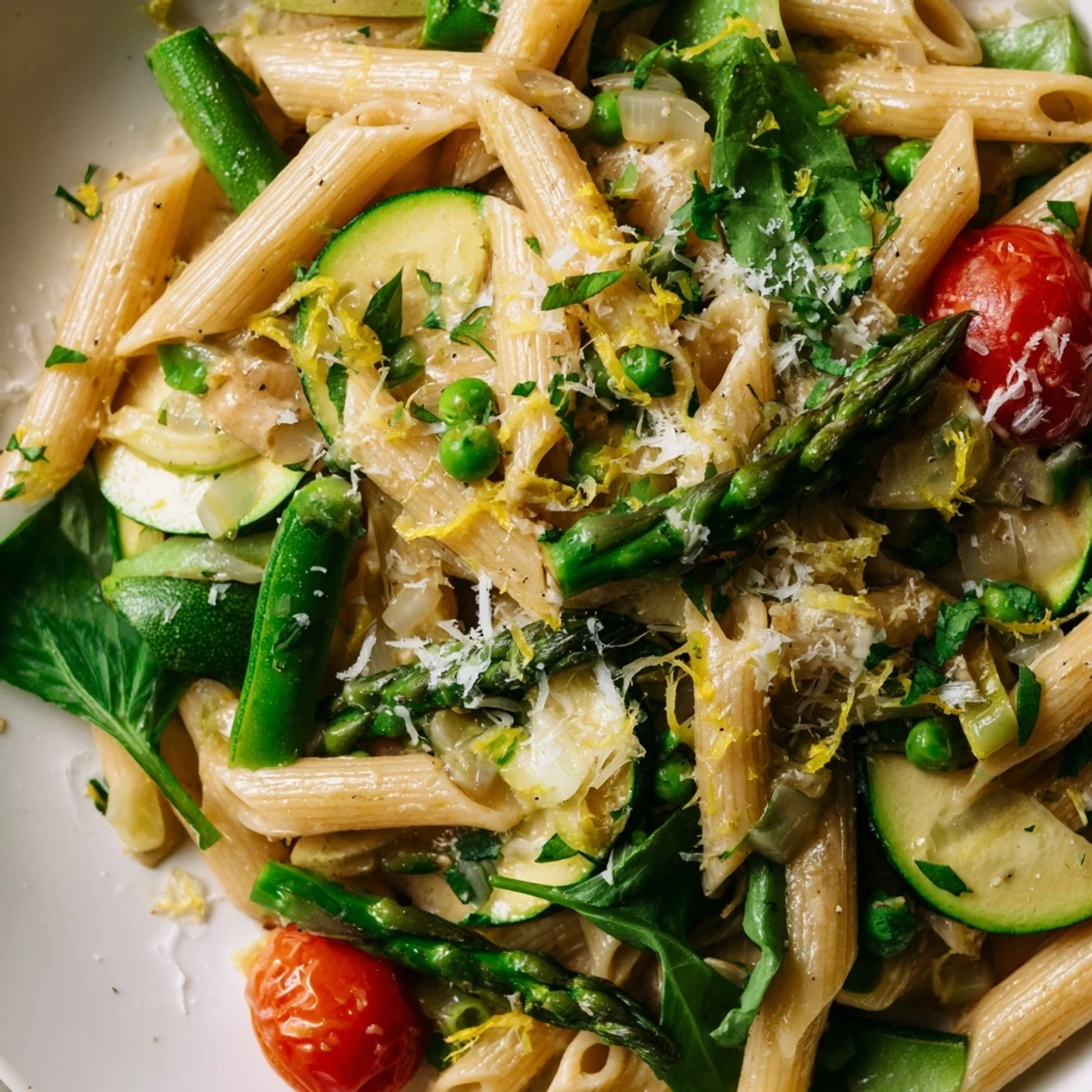
Save This pasta has become my spring ritual, the dish that signals warmer days are finally here. I made it for my neighbor who claims to hate vegetables, and she asked for the recipe before leaving the table.
Choosing Your Vegetables
Spring vegetables are delicate and cook quickly, which is why they are perfect for this one pot method. I have learned that cutting everything into similar sized pieces ensures even cooking. If something looks too large, give it a rough chop.
Making It Your Own
The beauty of this recipe is how adaptable it is to whatever looks fresh at the market. Fava beans, green beans, or fresh peas all work beautifully here. I sometimes add a handful of frozen peas at the end for extra sweetness.
Serving Suggestions
This pasta works well as a main course or a generous side. A crisp white wine like Sauvignon Blanc cuts through the richness perfectly. I sometimes serve it with a simple green salad dressed with vinaigrette.
- Extra lemon wedges at the table let guests adjust brightness to taste
- A drizzle of good olive oil right before serving adds a luxurious finish
- Fresh cracked black pepper on top gives a little bite and visual appeal
 Save
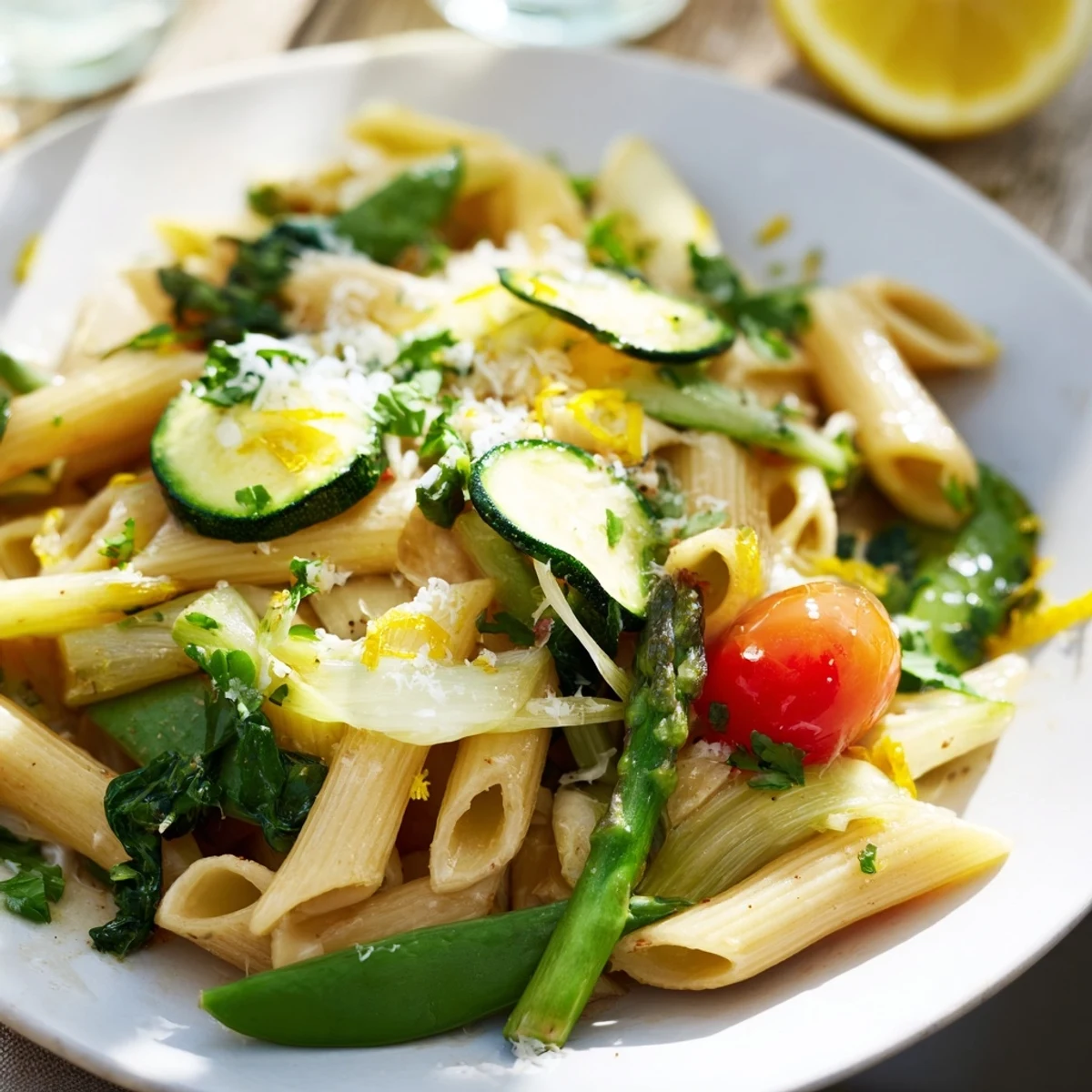
Save There is something deeply satisfying about a meal that comes together so simply yet tastes this special. This pasta is spring on a plate, exactly the kind of food I want to eat all season.
Recipe FAQs
- → Can I use other pasta shapes?
-
Yes, short pasta shapes like fusilli, rotini, farfalle, or rigatoni work well. Avoid long noodles like spaghetti as they're harder to cook evenly in this method.
- → What vegetables can I substitute?
-
Try fava beans, fresh peas, green beans, or artichoke hearts. The method works with any quick-cooking spring vegetables that pair well with pasta.
- → Can I make this vegan?
-
Simply omit the Parmesan cheese or use a plant-based alternative. The pasta still becomes creamy from the starch released into the vegetable broth.
- → Why cook vegetables with the pasta?
-
Cooking vegetables directly in the pasta liquid allows them to absorb savory flavors while their natural sweetness enhances the cooking liquid. The starch from pasta creates a light sauce that clings to everything.
- → How do I store leftovers?
-
Store in an airtight container in the refrigerator for up to 3 days. Reheat gently with a splash of water or broth to restore creaminess. The pasta will absorb more liquid as it sits.