
 Save
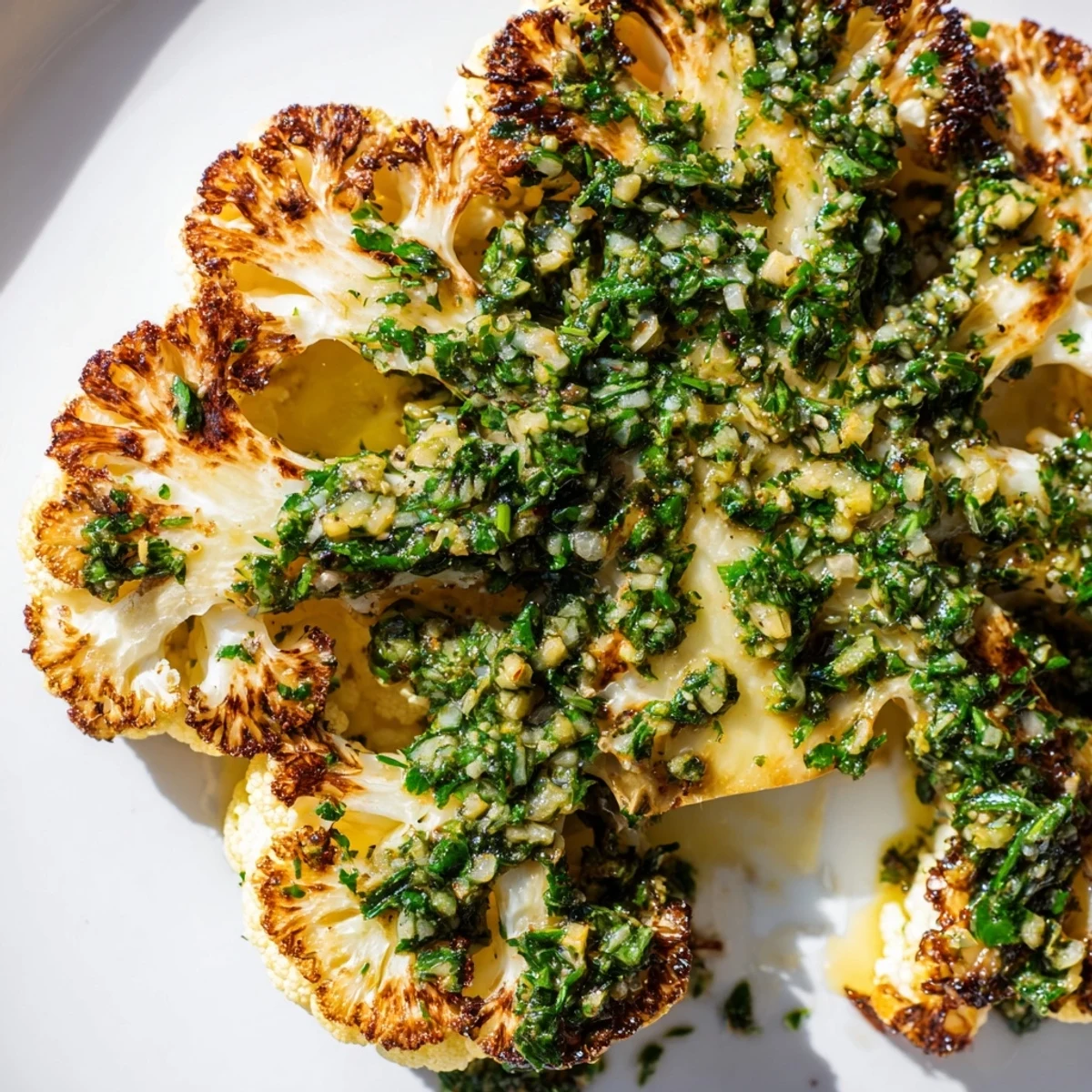
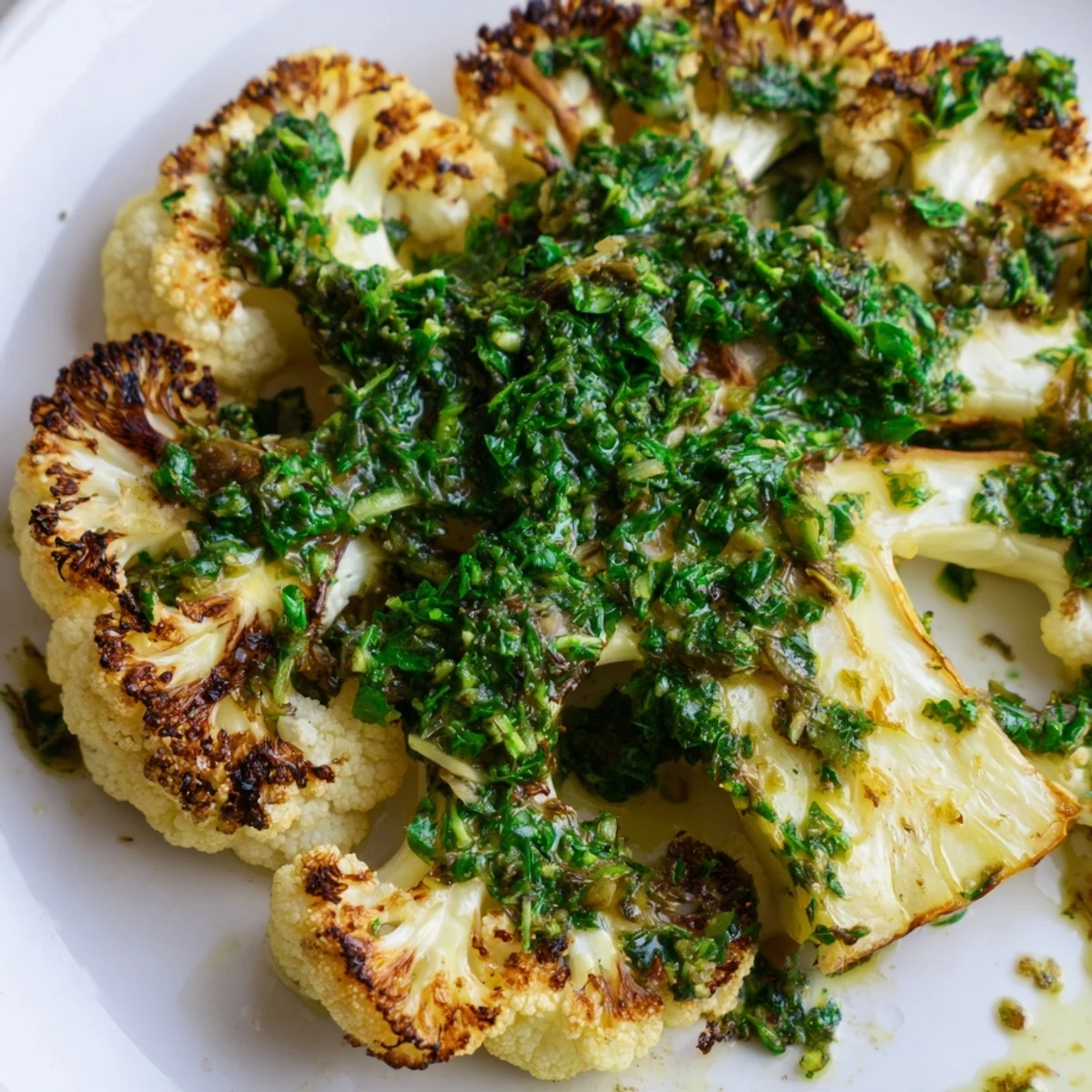
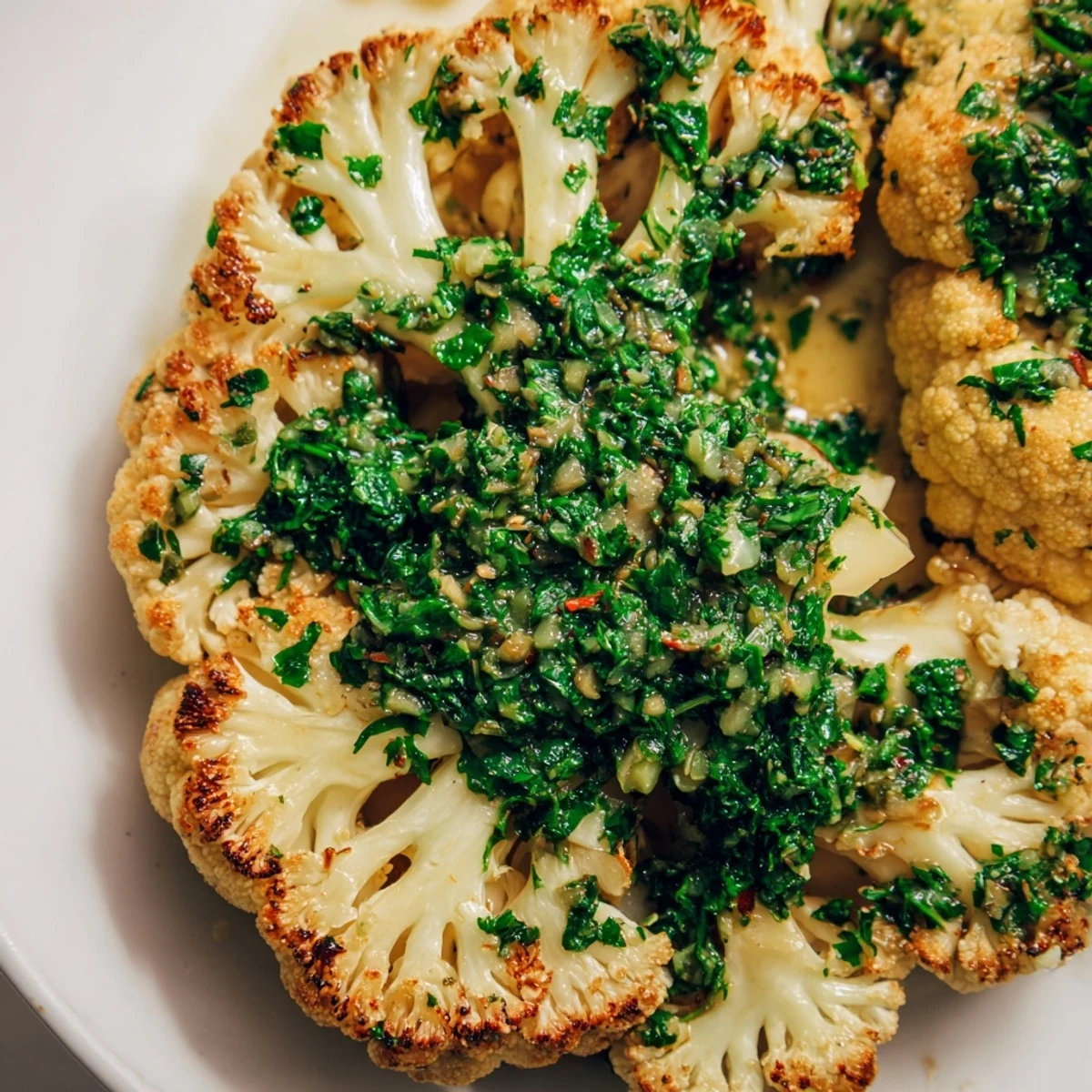
Save This dish features thick cauliflower steaks oven-roasted until tender and golden, enhanced by a lively chimichurri sauce made with parsley, cilantro, garlic, and oregano. The combination brings bold herbaceous flavors and subtle smoky notes from smoked paprika and garlic powder. Ideal as a plant-based main or flavorful side, it complements grains like quinoa or couscous and pairs well with grilled proteins. Preparation is straightforward, with simple seasoning and a quick herb sauce that melds flavors beautifully when set aside.
I discovered cauliflower steaks by accident one autumn when I was determined to stop relying on the same vegetable rotations. A friend had raved about them at a dinner party, describing how they got crispy edges while staying tender inside, and I thought she was exaggerating until I tried slicing through a whole head with purpose instead of breaking it into florets. That first roasted batch, golden and fragrant with smoked paprika, changed how I saw cauliflower entirely. Now it's become one of those dishes I make when I want something that feels substantial without trying too hard.
I remember making this for my sister who'd just gone vegetarian, and she was skeptical until the first bite. The combination of that smoky, slightly charred exterior with the bright, almost peppery chimichurri made her pause mid-chew in that way that means something just worked. Since then, it's become the dish I reach for when I'm cooking for mixed groups because no one questions whether it's "enough" on the plate.
Ingredients
- 2 large heads cauliflower: Look for heads that feel dense and heavy, with no brown spots or discoloration on the florets; this ensures you'll get thick, sturdy steaks that won't fall apart.
- 3 tbsp olive oil: Use a robust oil you don't mind roasting with; this is where the golden-brown magic happens.
- 1 tsp smoked paprika: Don't skip this or swap it for regular paprika; the smokiness is what makes people ask what you did differently.
- 1 tsp garlic powder: It distributes more evenly than fresh garlic in a dry rub.
- ½ tsp ground black pepper and 1 tsp sea salt: Taste as you go; cauliflower can handle bold seasoning.
- 1 cup fresh flat-leaf parsley, finely chopped: This is the backbone of your chimichurri; use flat-leaf, not curly, because it has more personality.
- ¼ cup fresh cilantro, finely chopped: If cilantro tastes like soap to you, increase the parsley instead.
- 3 cloves garlic, minced: Mince it fine so it wakes up the sauce without overwhelming it.
- 2 tbsp fresh oregano, finely chopped: Fresh oregano is worth seeking out here; it makes a real difference, though dried works if that's what you have.
- ½ cup extra-virgin olive oil: This is where quality matters because it's raw; a good oil will make your chimichurri sing.
- 2 tbsp red wine vinegar: The acid cuts through the richness and keeps everything bright.
- ½ tsp crushed red pepper flakes and ½ tsp sea salt: Build heat gradually; you can always add more but you can't take it back.
Instructions
- Get your oven ready and prep your workspace:
- Preheat to 425°F and line a baking sheet with parchment paper. This temperature is hot enough to caramelize the cauliflower without drying it out.
- Transform a head into steaks:
- Cut away the outer leaves and trim the stem while keeping the core intact, then slice straight down with a large chef's knife to create 1-inch thick steaks. You'll get about 2 to 3 per head; the scattered florets aren't wasted, just save them for roasting separately or adding to soups.
- Season generously and make them shine:
- Arrange steaks on the sheet, brush both sides with olive oil, then sprinkle with smoked paprika, garlic powder, black pepper, and salt. Don't be shy; these seasonings won't burn at this temperature, and they'll create those caramelized edges you're after.
- Roast with a flip midway:
- Start for 20 minutes until the bottom is golden and tender, then carefully flip each steak and roast another 12 to 15 minutes until both sides are deeply browned and a fork pierces the center easily.
- Build your chimichurri while they cook:
- Combine the chopped parsley, cilantro, minced garlic, oregano, olive oil, red wine vinegar, red pepper flakes, salt, and pepper in a bowl and stir well. Let it sit for at least 10 minutes so the flavors start talking to each other.
- Bring it all together:
- Plate the steaks while still warm and spoon the chimichurri generously over the top. The sauce should drip down the sides and pool on the plate.
 Save
Save What struck me most about this dish was how it proved that sometimes the simplest preparations are the most elegant. A piece of cauliflower roasted until it caramelizes and a handful of fresh herbs in oil and vinegar—that's it, and it works because nothing fights for attention.
When to Serve This
I've served these steaks as the star of the meal with quinoa and roasted root vegetables, and I've also plated them beside grilled fish or chicken for people who want something lighter. They work equally well at a summer dinner when you want to highlight fresh herbs, or in cooler months with warm grains that soak up all that green sauce. The beauty is flexibility; let the season and your mood guide what you pair it with.
Making the Chimichurri Your Own
The first time I made chimichurri, I followed the recipe exactly, but after a few batches I started tasting and adjusting. Some days I add more vinegar because I want bright and sharp; other times I lean into the oil because I'm serving it with something that needs richness. A squeeze of fresh lemon juice right before serving gives it another dimension, and I've learned that letting it sit longer than 10 minutes doesn't hurt it—up to an hour actually mellows the raw garlic bite and makes it taste more integrated.
Storage and Next Day Eating
The chimichurri keeps beautifully in the fridge for up to 4 days, and honestly, it tastes better the next day after the flavors have settled. The roasted steaks are best eaten the same day, but leftovers can be warmed gently in a 300°F oven and still taste good. I've been known to crumble cold leftover steaks into grain bowls the next day, which somehow works.
- Store chimichurri in a glass jar with a tight lid to keep it fresh and aromatic.
- Bring roasted steaks to room temperature before reheating so they warm through gently.
- If you make extra chimichurri, it's excellent on grilled vegetables, roasted potatoes, or even scrambled eggs the next morning.
 Save
Save This recipe has quietly become one of my go-to dishes because it feels special without being fussy, and it makes people actually excited about eating vegetables. I hope it does the same for you.
Recipe FAQs
- → How thick should cauliflower steaks be sliced?
-
Slice cauliflower into about 1-inch thick steaks to ensure even roasting and tender texture.
- → Can I use dried herbs for the chimichurri sauce?
-
Yes, dried oregano can replace fresh, but fresh parsley and cilantro give the sauce its characteristic bright flavor.
- → What is the best way to achieve a golden crust on the cauliflower?
-
Brushing both sides of the cauliflower with olive oil and roasting at 425°F helps develop a golden, slightly crispy exterior.
- → How long should the chimichurri sauce rest before serving?
-
Allow chimichurri to sit at least 10 minutes to let the flavors meld and intensify before spooning over the cauliflower.
- → Can leftover chimichurri be stored?
-
Yes, store leftover chimichurri in the refrigerator for up to 4 days, keeping flavors fresh for multiple uses.