
 Save
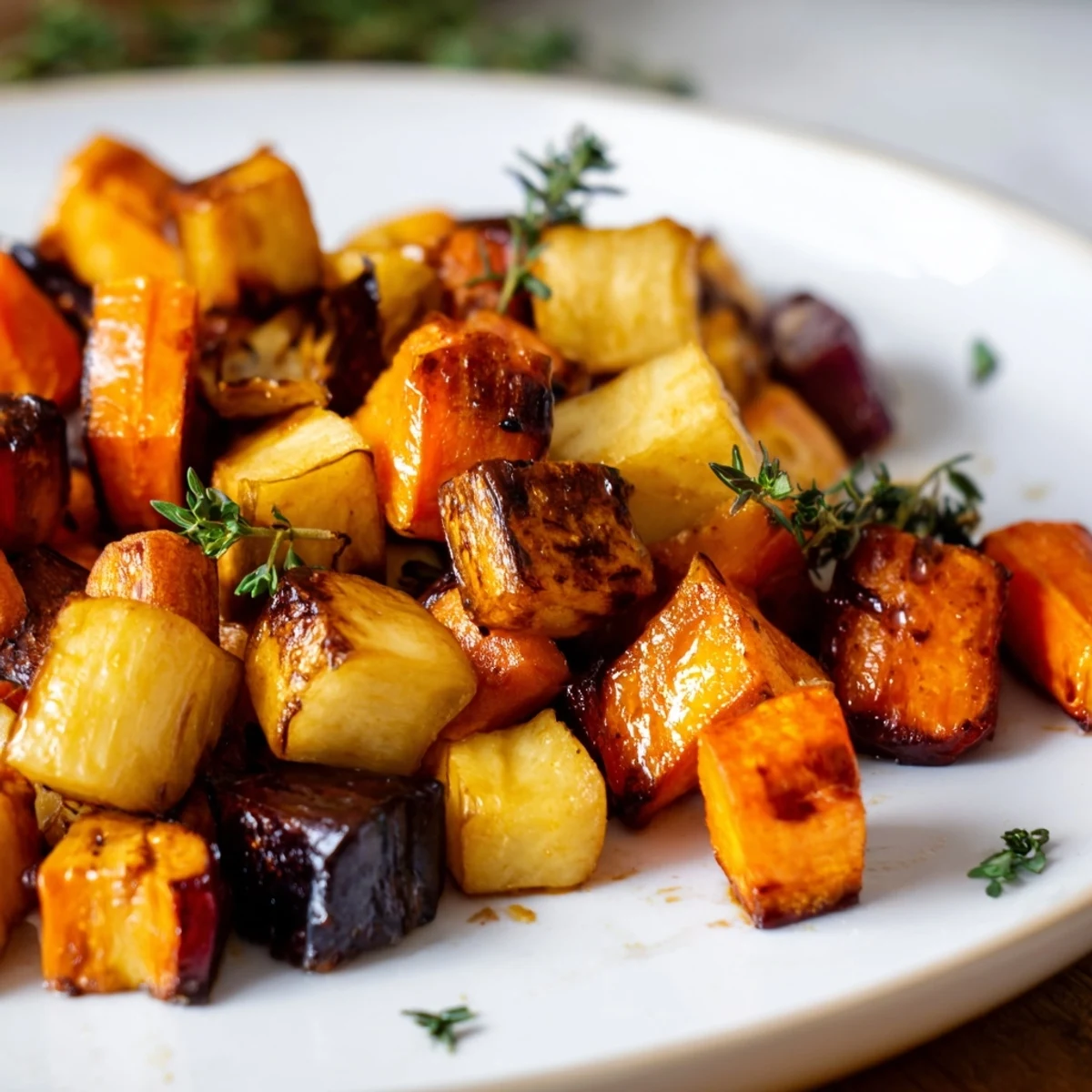
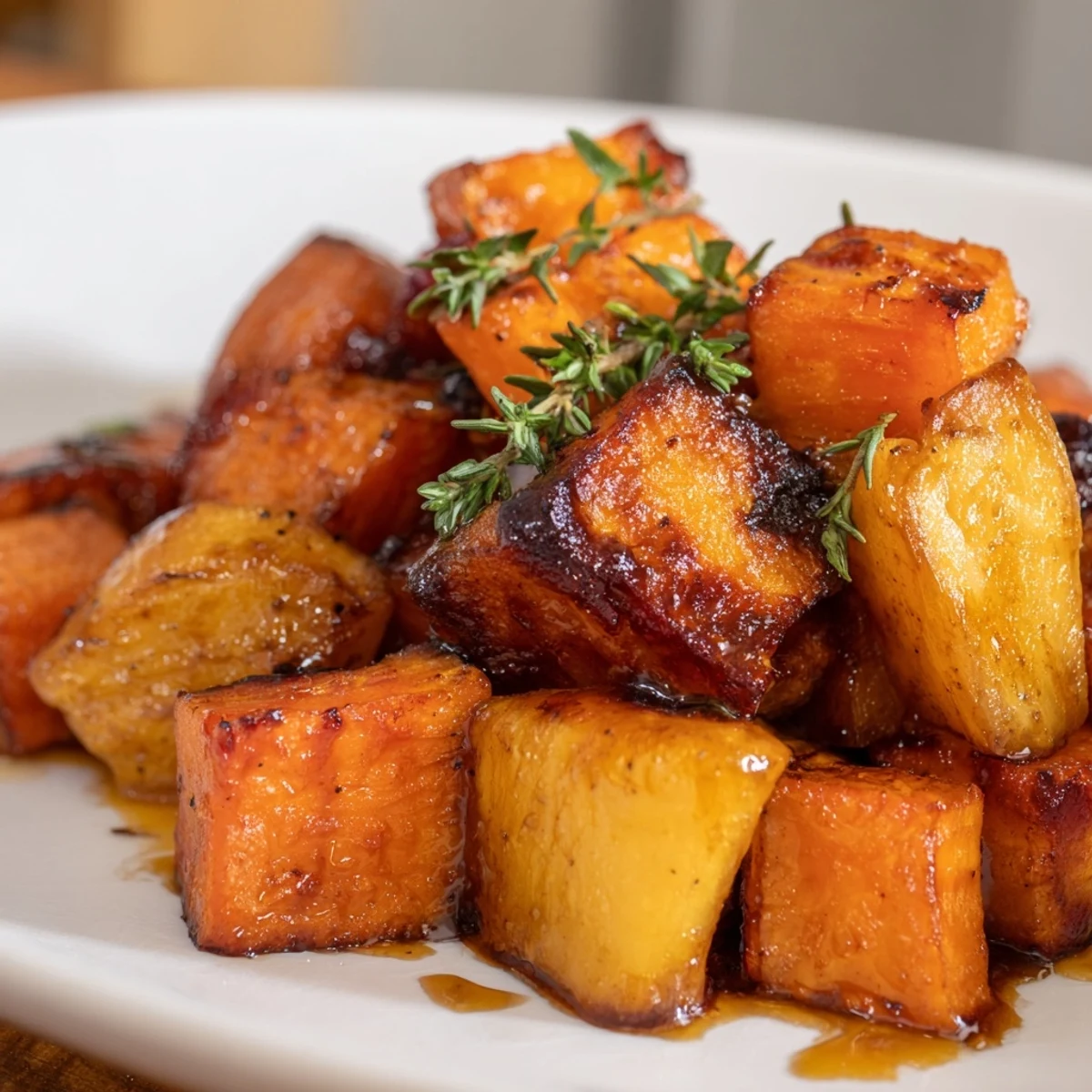
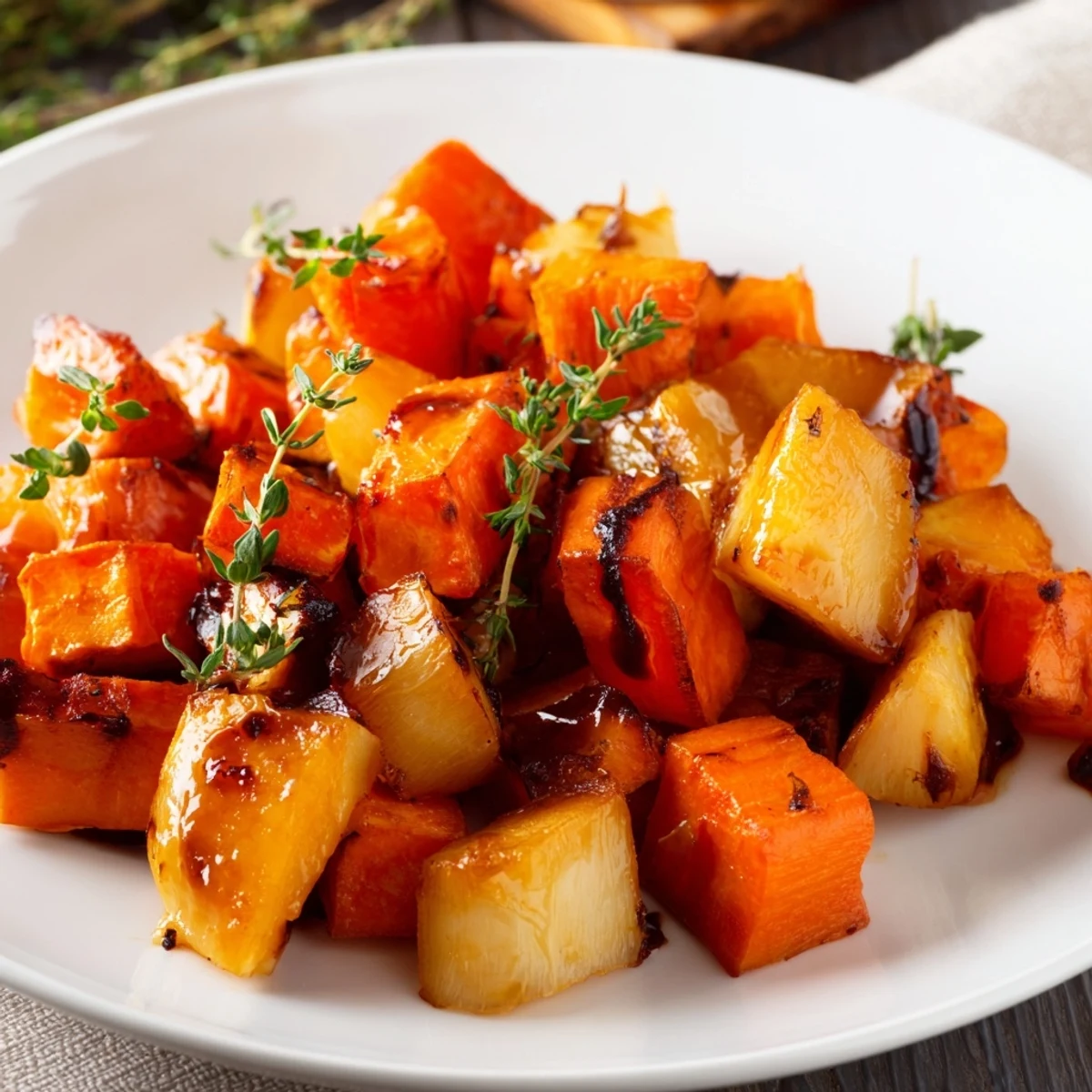
Save This dish brings together a vibrant mix of root vegetables such as carrots, parsnips, sweet potatoes, and rutabaga, all evenly coated in a maple syrup and olive oil glaze. Roasting them at high heat caramelizes the natural sugars, resulting in tender, golden bites with a rich balance of sweet and savory notes. Fresh thyme, balsamic vinegar, and a touch of seasoning enhance the depth of flavor. Easy to prepare and perfect as a warm side for any meal.
There's something almost magical about the moment you pull a sheet of roasted root vegetables from the oven, and the kitchen fills with that caramelized sweetness mixed with thyme. I discovered this recipe on a chilly fall afternoon when I was desperately trying to elevate a simple weeknight dinner into something that felt special. The maple syrup was honestly an afterthought, a drizzle I thought might add interest, but it transformed everything into something my guests kept coming back to. Now it's become the side dish I make whenever I want the meal to feel a little more intentional.
I remember making this for the first time when my neighbor mentioned she'd never had roasted vegetables that didn't taste like cardboard. Something about that challenge stuck with me, so I threw this together one Sunday and invited her over. She came back an hour later asking for the recipe, which felt like the highest compliment. That conversation changed how I approach side dishes entirely.
Ingredients
- Carrots: Their natural sweetness intensifies under heat, and cutting them into uniform chunks ensures even caramelization.
- Parsnips: These bring an earthy complexity that deepens when roasted; don't skip them even if you think they're unusual.
- Sweet potato: The bridge between savory and sweet, it softens beautifully and adds natural creaminess.
- Rutabaga or turnip: Either works, but choose based on what feels right for your palate; rutabaga is slightly sweeter.
- Olive oil: Use something you actually like the taste of, not the cheapest bottle.
- Pure maple syrup: The real thing matters here; imitation syrup won't give you that amber gloss and depth.
- Balsamic vinegar: A small amount cuts through the sweetness and adds complexity without being obvious.
- Fresh thyme: If you can find it fresh, it makes a noticeable difference; dried works but use half the amount.
- Salt and pepper: Season confidently; these vegetables can handle it.
Instructions
- Get your oven ready and prep the vegetables:
- Heat your oven to 425°F and line a baking sheet with parchment paper so cleanup is effortless. Cut everything into roughly 1-inch pieces as you go, keeping sizes consistent so nothing burns while something else stays raw.
- Build your glaze:
- Whisk together the oil, maple syrup, vinegar, thyme, salt, and pepper in a small bowl until it looks emulsified and glossy. Taste it straight from the whisk if you want; the maple should be noticeable but not overwhelming.
- Coat everything evenly:
- Pour the mixture over your vegetables and toss with your hands or a big spoon until every piece glistens. This is where the magic starts happening.
- Arrange and roast:
- Spread the vegetables in a single layer on your baking sheet, resisting the urge to crowd them. After about 20 minutes, stir everything around so the pieces on the edges get their turn in the hot spots.
- Know when they're done:
- You're looking for golden edges and tender insides, which usually takes 35 to 40 minutes depending on your oven's personality. Taste a piece if you're unsure; it should be soft enough to cut with the edge of a spoon.
 Save
Save I learned the power of this dish one winter when my daughter, who'd declared herself anti-vegetable, asked for thirds. Watching her discover that roasted food could be something she actually wanted to eat felt like a small victory. It reminded me that how you prepare something matters just as much as what you're preparing.
Making It Your Own
This recipe is more of a framework than a rigid formula. I've made it with beets for color, added regular potatoes for extra earthiness, and once threw in some cubed butternut squash because it was sitting on my counter. The maple-balsamic glaze works with almost any root vegetable you can peel and chop. The only rule I follow is keeping the pieces roughly the same size so everything finishes cooking at the same time.
Flavor Additions Worth Trying
Some nights I add a pinch of smoked paprika for depth, other times I toss in fresh rosemary instead of thyme. A handful of toasted nuts scattered over the finished vegetables adds crunch, and crumbled feta or goat cheese turns it into something almost luxurious. I've learned that adding garnishes after roasting keeps them from burning and gives the dish more personality at the table.
Serving and Storage
These are best served hot or warm, right from the oven when they're still slightly crispy on the outside. They reheat beautifully in a 350°F oven for about 10 minutes, and the flavors actually deepen after a day in the fridge. I often make a double batch because they disappear fast and cold leftovers make an unexpectedly good lunch.
- Serve alongside roasted chicken, grilled fish, or as the main event with some grain and protein.
- Pair with something creamy like tahini sauce or yogurt to balance the sweetness.
- Leftovers are fantastic tossed into grain bowls, chopped and added to soups, or eaten straight from the container.
 Save
Save This dish has a quiet way of becoming a favorite that you make again and again, each time tweaking it slightly based on what's in your kitchen. It's the kind of recipe that reminds you why you cook at all.
Recipe FAQs
- → What vegetables work best for this dish?
-
Carrots, parsnips, sweet potatoes, and rutabaga make a flavorful, colorful medley. You can also add beets or potatoes for variety.
- → How do I ensure even roasting?
-
Spread vegetables in a single layer and toss halfway through cooking to promote uniform caramelization and tenderness.
- → Can I substitute maple syrup with another glaze?
-
Yes, honey or agave syrup can be used, though maple offers a unique, earthy sweetness that pairs well with root vegetables.
- → What is the role of balsamic vinegar in this preparation?
-
Balsamic vinegar adds subtle acidity that balances the sweet glaze and enhances overall flavor complexity.
- → Are there tips to boost the dish’s texture and flavor?
-
Sprinkle toasted nuts or crumbled feta just before serving for added crunch and richness.