
 Save
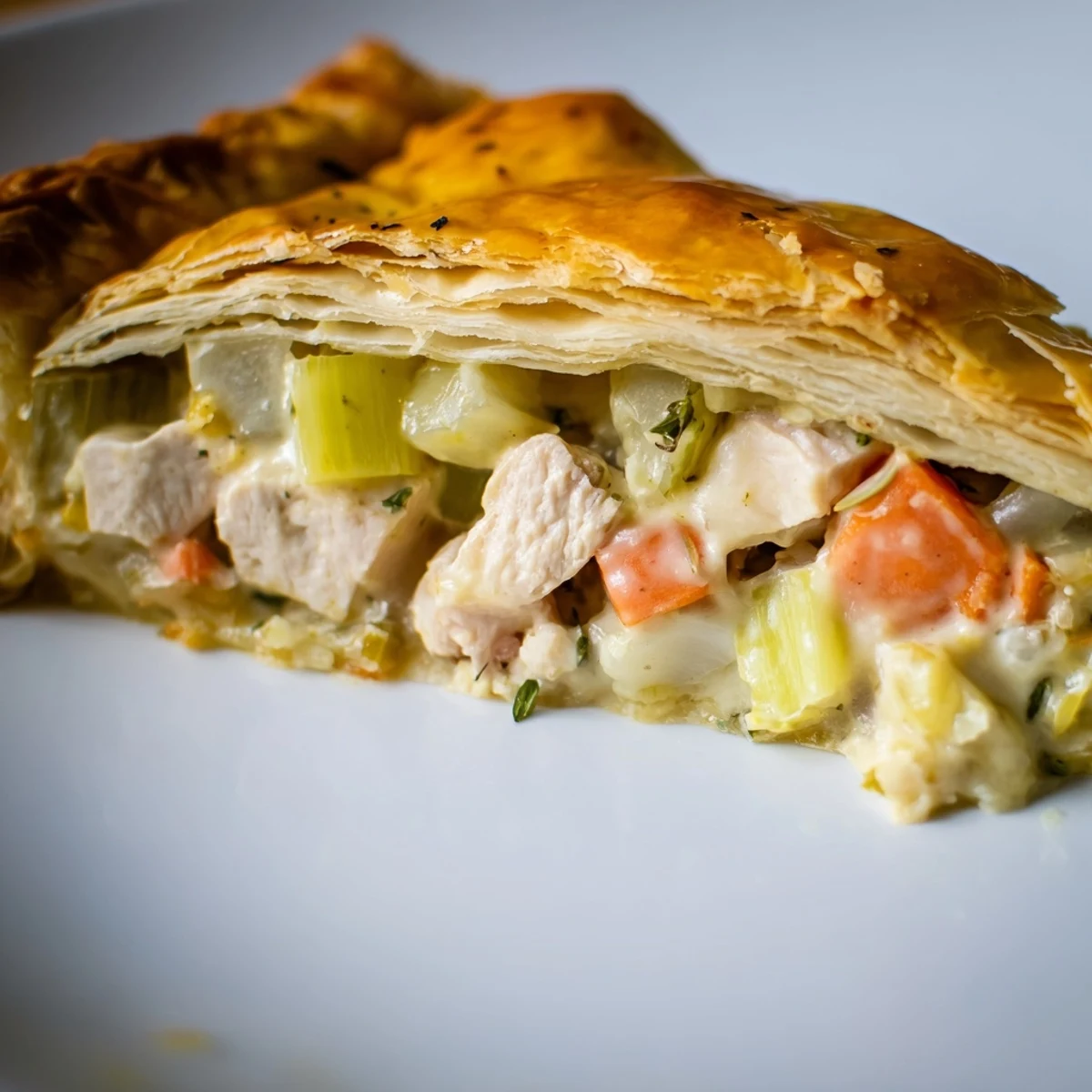
Save This dish features tender chicken thigh pieces and sweet leeks gently sautéed with carrots, onion, and garlic. A creamy herb sauce with thyme and Dijon mustard binds the filling before being enveloped in crisp puff pastry and baked to golden perfection. Perfect comfort food that pairs beautifully with mashed potatoes or a fresh green salad.
Careful preparation includes slowly simmering the filling to develop rich flavors and glazing the pastry for an inviting finish. This satisfying dish offers a harmonious balance of savory ingredients and flaky textures, ideal for family dinners or cozy gatherings.
There's something about a golden pie emerging from the oven that stops conversation mid-sentence. Years ago, a friend brought one to a dinner party on a rainy Sunday, and I watched grown adults go quiet after that first bite—leeks so tender they melted, chicken impossibly creamy, pastry shattering under forks. I've been chasing that moment ever since, perfecting this version in my own kitchen. This is the dish I reach for when I want to feel like I've done something real.
I made this for my partner's family one winter when we were snowed in, and I remember being oddly nervous—not because the recipe is difficult, but because I wanted them to understand why I loved it. They came for a casual dinner and stayed an extra hour just talking at the table, asking for seconds. The pie sits in the middle of the table golden and steaming, and somehow that simple presence made everything feel like home.
Ingredients
- Chicken thighs (600 g, cut into bite-sized pieces): Thighs stay tender and flavorful where breast can dry out—this is where the pie gets its richness, so don't skip them out of habit.
- Leeks (2 large, white and light green parts, sliced): The unsung hero here; they soften into sweetness and thicken the sauce naturally, creating layers of flavor that onion alone never could.
- Carrot (1 medium, diced): A small amount adds subtle earthiness and just enough texture contrast against the creamy filling.
- Garlic (2 cloves, minced): Keeps the filling grounded and savory without overwhelming anything.
- Onion (1 small, finely chopped): The foundation that everything builds on—don't rush this part of the sauté.
- Unsalted butter (40 g): Use proper butter here because it matters; it carries the flavor of everything else forward and gives you control over salt.
- Plain flour (2 tbsp): Creates the base roux that thickens the sauce into something silky, not gluey—stir it properly and it transforms everything.
- Chicken stock (300 ml): Homemade is better if you have it, but good store-bought works; this is where the filling's backbone comes from.
- Double cream (100 ml): The thing that makes people say 'oh' when they taste this—a small amount goes a long way because the sauce is already built on stock and roux.
- Dijon mustard (1 tsp): A tiny amount adds sophistication without announcing itself; it brightens everything else without making the filling mustard-flavored.
- Fresh thyme (1 tbsp, or 1 tsp dried): Fresh thyme is transformative if you can get it, adding a woodsy note that dried simply cannot match.
- Salt and freshly ground black pepper: Taste as you go here because underseasoning ruins the whole thing, but oversalting is harder to fix.
- Puff pastry (1 ready-rolled sheet, about 320 g): Room temperature is your friend; cold pastry tears easily and won't seal properly.
- Egg (1, beaten, for glazing): Gives that restaurant-quality golden sheen and tells everyone at the table this took care and attention.
Instructions
- Heat the oven and build your base:
- Set your oven to 200°C (180°C fan, 400°F, Gas Mark 6) so it's ready when you need it. Melt butter in a large skillet over medium heat, then add the onion, leeks, carrot, and garlic—listen for that gentle sizzle, and keep stirring so nothing catches on the bottom.
- Cook the vegetables until soft:
- After 5–7 minutes, the vegetables should feel tender when you press them with a spoon and smell almost sweet. This is where patience matters; rushing this step means crunchy pie, and nobody wants that.
- Add and briefly brown the chicken:
- Stir the chicken pieces in and let them lose that raw look—about 5–6 minutes, nothing more. The pan should smell rich and savory at this point.
- Make the roux and build the sauce:
- Sprinkle the flour over everything and stir constantly for a full minute to cook out the raw flour taste. Slowly pour in the chicken stock while stirring, watching the mixture smooth itself out and begin to thicken—this is where the magic happens.
- Finish with cream and herbs:
- Lower the heat and gently stir in the cream, mustard, and thyme, letting everything simmer for 3–4 minutes until the sauce coats the back of a spoon. Taste and adjust the seasoning because this is your last chance to get it right.
- Cool the filling slightly:
- Remove from heat and let the mixture sit for a few minutes so it's warm but not piping hot when it meets the pastry.
- Transfer to the pie dish:
- Spoon the filling into your pie dish, spreading it evenly—don't overfill or it will bubble out and make a mess of your oven floor.
- Seal with pastry:
- Unroll the puff pastry and lay it over the dish, pressing the edges down gently so they stick to the dish edges. Trim any ragged bits with a sharp knife and cut a small slit in the center to let steam escape—this small detail prevents a soggy top.
- Apply the egg glaze:
- Brush the beaten egg evenly across the pastry with a pastry brush, getting into the corners. This is what creates that golden, glossy finish that makes people reach for the camera.
- Bake until golden:
- Slide into the oven for 30–35 minutes, keeping an eye on it toward the end. The pastry should be deep golden and crisp, and the filling should be just starting to bubble at the edges.
- Rest before serving:
- Let the pie sit for 5 minutes before cutting into it—this lets everything set just enough so you get clean slices instead of a delicious puddle.
 Save
Save There was an afternoon last October when I made this for my daughter's teachers, and as I carried it to the car still warm in my hands, I realized that this pie—this exact combination of butter and leeks and cream—had become my way of saying thank you. Food has this strange power to say things we don't quite have words for.
Why Leeks Matter in This Pie
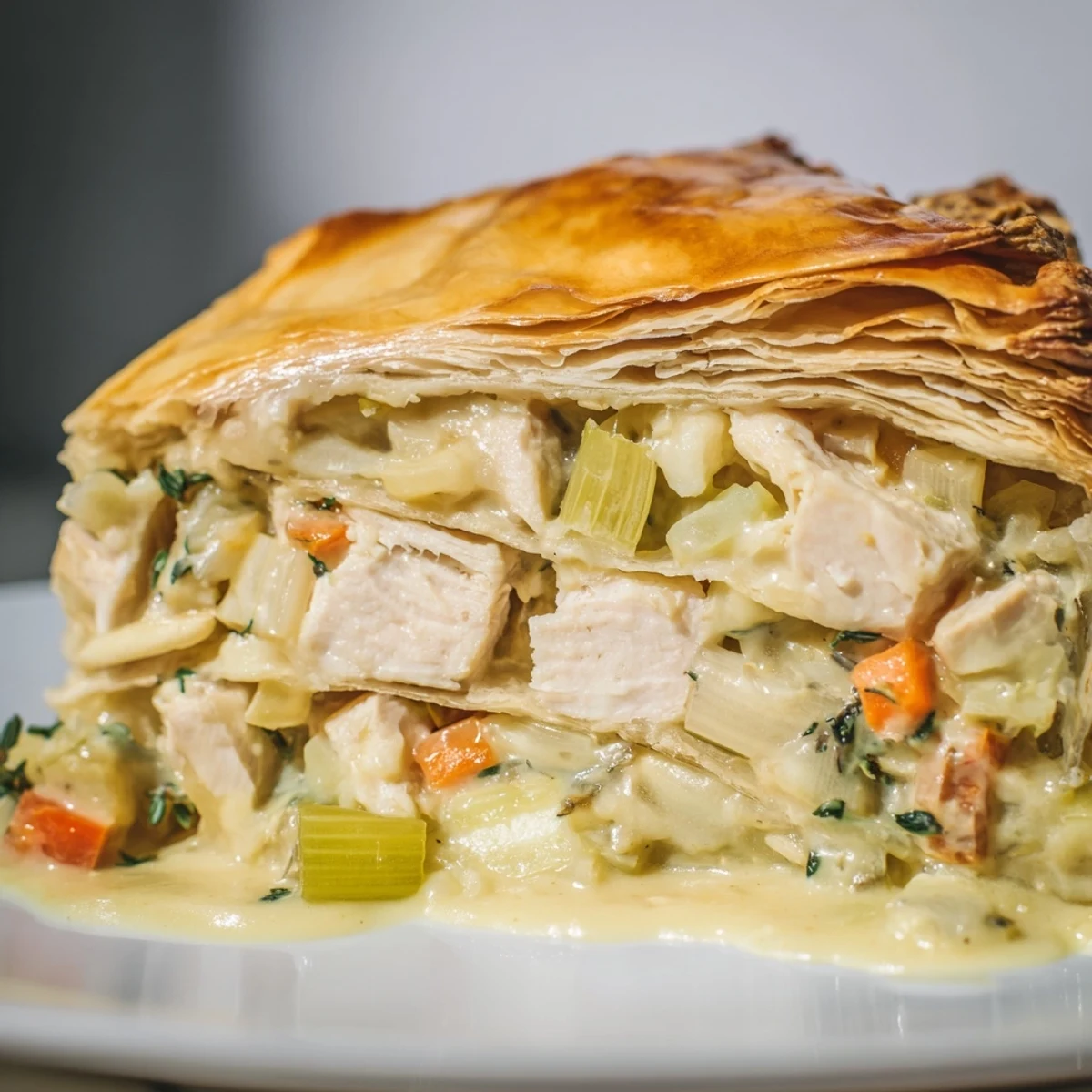
Most people know leeks from potato soup, where they're mild and safe. But in a creamy pie like this, they become almost luxurious—their natural sweetness intensifies with gentle heat, and they practically dissolve into the sauce in a way that onion simply won't. They also thicken the filling ever so slightly, which means your sauce stays clinging to every piece of chicken instead of pooling at the bottom of the pie dish. Once you understand this, you stop thinking of leeks as a vegetable and start thinking of them as flavor with a purpose.
Pastry Matters More Than You Think
Puff pastry gets a lot of lazy reputation because it's ready-made, but letting it warm up to room temperature before laying it over your filling changes everything about how it bakes. Cold pastry shatters under the pressure of spreading it and cracks as it hits the heat; room temperature pastry unfolds like it wants to cooperate with you. The beaten egg glaze isn't just for show either—it's the difference between a pie that looks homemade and one that looks like you actually cared about the details. Those small moments of attention compound into something that feels special on the plate.
Building Layers of Flavor
The real secret of this pie is that nothing in it is shouting—everything is working together in quiet harmony. The Dijon mustard doesn't taste like mustard; it just makes the cream taste richer. The thyme doesn't announce itself; it adds depth that people can't quite name. The stock and roux create body without heaviness, and the butter carries every other flavor forward. If you understand this approach, you stop thinking about recipes as shopping lists and start thinking about them as flavor architecture.
- If you have white wine on hand, a small splash when sautéing the vegetables adds brightness and sophistication.
- Serve this with mashed potatoes or a crisp green salad to cut through the richness—both work beautifully.
- Leftovers reheat gently in a low oven and taste almost better the next day when flavors have settled and married.
 Save
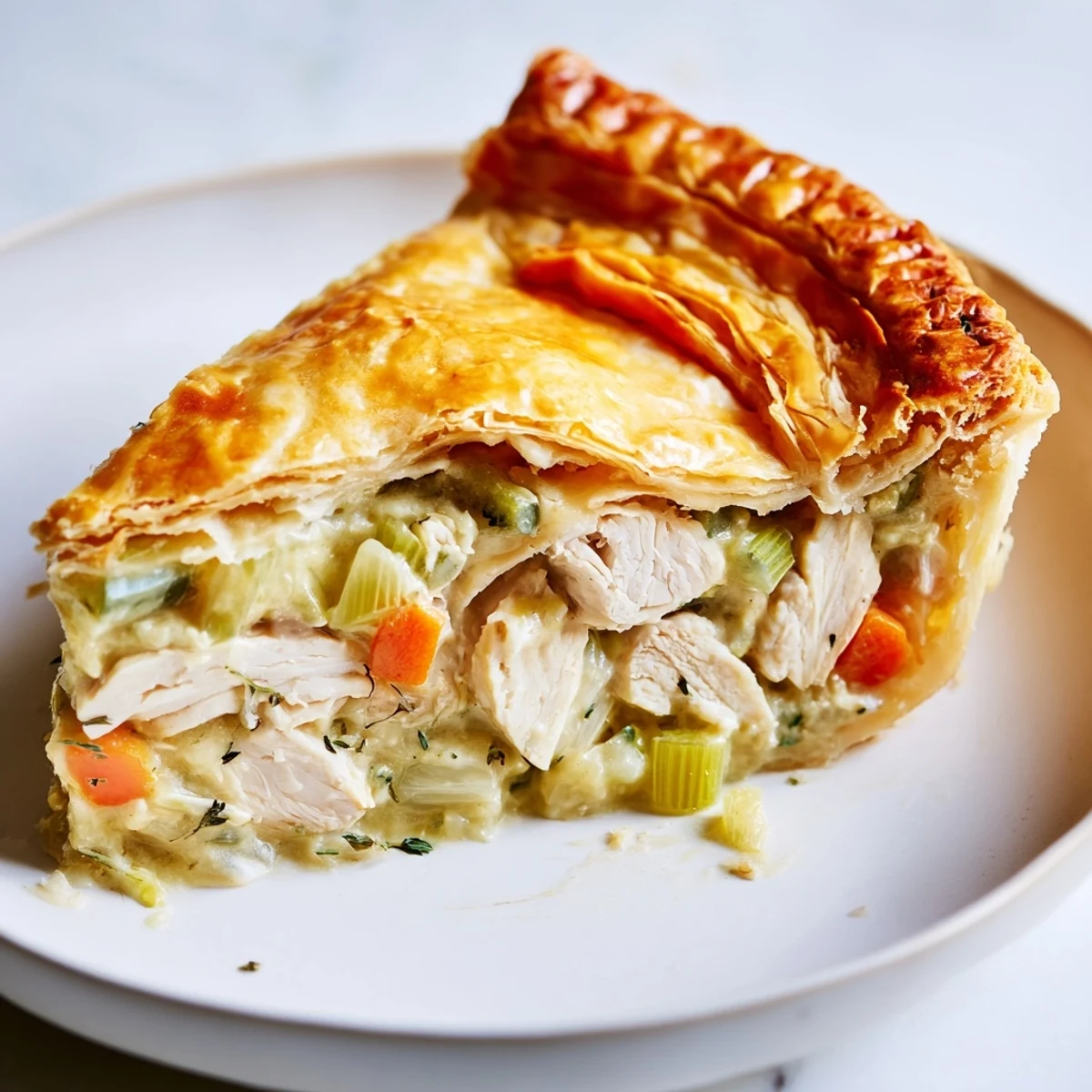
Save This pie has become the thing I make when I want to mark an occasion without making a fuss about it, when I want to feed people something that tastes like it came from somewhere warm and known. That's when cooking shifts from following instructions to creating moments, and that's when a simple pie becomes something worth remembering.
Recipe FAQs
- → What cut of chicken works best for this dish?
-
Boneless, skinless chicken thighs provide tenderness and flavor, but chicken breast can be used for a leaner option.
- → Can I use frozen leeks instead of fresh?
-
Fresh leeks are preferable for texture and flavor, but properly thawed frozen leeks can be used in a pinch.
- → How should I ensure the pastry stays crisp?
-
Brush the puff pastry with beaten egg before baking to achieve a golden, crisp finish and prevent sogginess from the filling.
- → Is there a way to add more depth to the sauce?
-
A splash of white wine during the vegetable sauté stage can enhance the flavor profile with subtle acidity.
- → What sides complement this main dish well?
-
Traditional accompaniments include creamy mashed potatoes or a simple green salad to balance the richness.
- → How do I avoid a soggy pie filling?
-
Simmer the filling gently until slightly thickened and allow it to cool before spooning into the pastry shell to reduce excess moisture.