
 Save
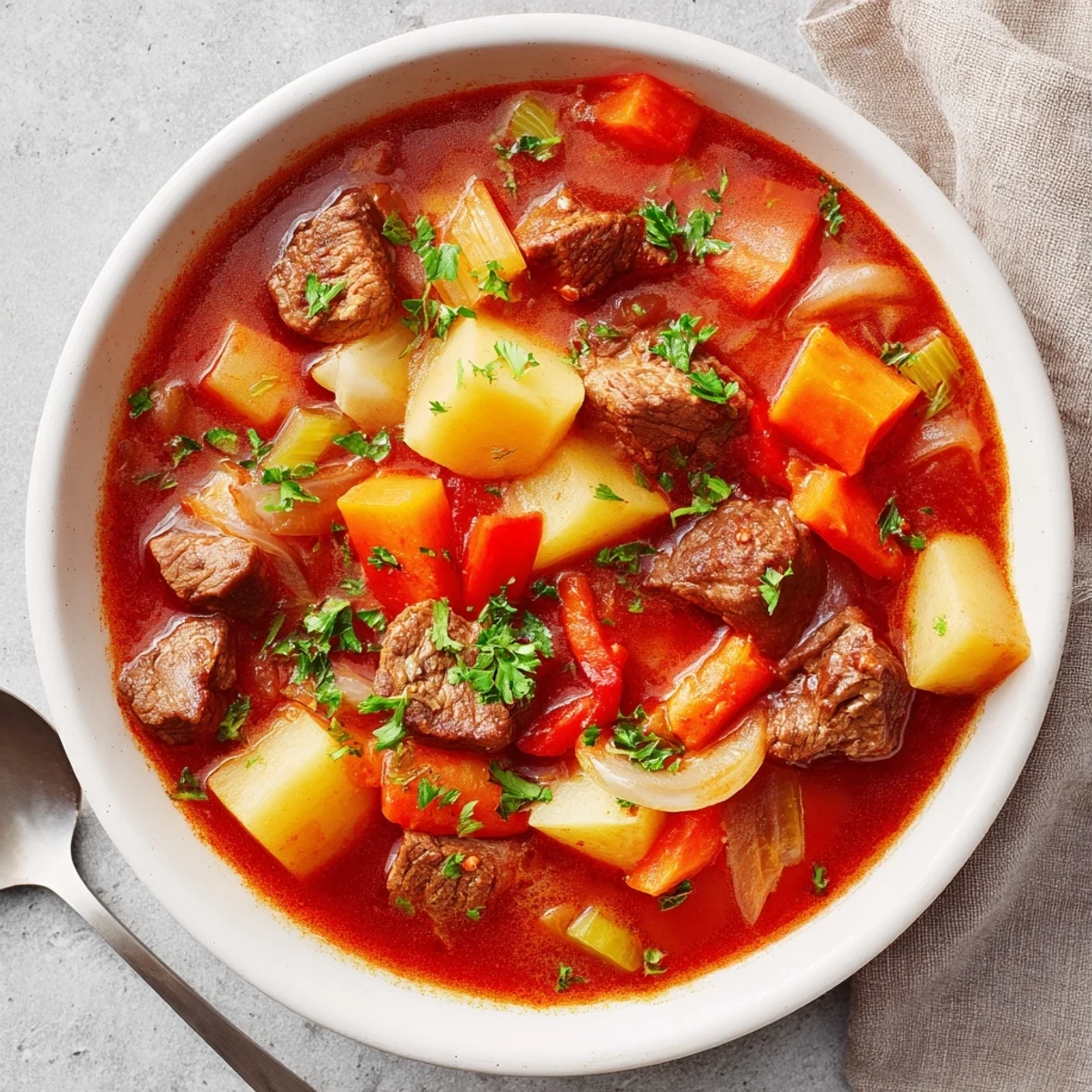
Save This rustic Italian classic transforms beef cubes into melt-in-your-mouth tenderness through slow simmering with vegetables, herbs, and wine. The dish builds layers of flavor starting with properly seared meat, followed by aromatic vegetables, then finished with potatoes that thicken the sauce naturally.
The combination of beef stock, red wine, and canned tomatoes creates a rich, deeply flavorful braising liquid. Fresh herbs like rosemary, thyme, and bay leaves infuse the dish with Mediterranean aromatics. The final addition of potatoes absorbs the savory liquid while providing substance.
Serve this warming stew with crusty bread to soak up the flavorful sauce, or alongside creamy polenta for an authentic Italian experience. Leftovers develop even deeper flavors, making it excellent for meal preparation.
The rain was hammering against the kitchen window the afternoon my neighbor Luigi knocked on my door holding a battered clay pot and a bottle of Chianti with no cork in it. He walked right past me, set the pot on my stove, and announced that I had been eating sad, watery stew my entire life. Two hours later I sat at my own table unable to argue, fork trembling over the most deeply flavored beef I had ever tasted, wondering how something so simple could make me question every meal I had ever cooked.
I have made this spezzatino for birthdays, breakups, and one memorable night when the power went out and we ate it by candlelight with spoons straight from the pot. Every single time someone leans over their bowl, inhales, and goes quiet for a moment. That silence is the highest compliment a home cook can receive.
Ingredients
- Beef stewing meat (1 kg, cubed): Cut it yourself from chuck or round rather than buying pre cut packages, because the size stays more even and you avoid those odd gristly pieces that ruin a bite.
- Carrots (2 medium, sliced): They soften into sweetness and balance the acidity of the tomatoes beautifully.
- Celery (2 stalks, diced): Do not skip this, it builds a flavor floor that everything else stands on.
- Onion (1 large, finely chopped): Cook it patiently until golden before adding anything else and you will taste the difference.
- Potatoes (2 medium, cubed): Add them late so they hold their shape instead of dissolving into mush.
- Garlic (2 cloves, minced): Fresh only, and mash it with the flat of your knife for the most even distribution.
- Canned chopped tomatoes (400 g): Use a brand you would eat straight from the can, because the stew will taste exactly like whatever is in that tin.
- Dry red wine (250 ml): Drinkable wine only, never cooking wine, and something Italian if you want to stay true to the roots.
- Beef stock (500 ml): Low sodium gives you control over the final salt level.
- Olive oil (2 tbsp): A good fruity oil makes the browning step sing.
- Bay leaves, rosemary, and thyme: Fresh herbs matter here since they simmer for so long and dried can taste muddy by comparison.
- Salt and black pepper: Season in layers, not all at once, and taste before serving.
- Fresh parsley (optional): A handful at the end wakes up every bowl with color and freshness.
Instructions
- Get that oil screaming hot:
- Pour the olive oil into your heaviest pot over medium high heat until it shimmers and just begins to smoke faintly. Work in small batches when browning the beef cubes, giving each piece real contact with the metal, because crowding the pan steams the meat instead of searing it.
- Build the vegetable foundation:
- Toss the onion, carrots, celery, and garlic into the same pot without washing it, scraping up every caramelized bit clinging to the bottom. Stir occasionally for about five minutes until everything softens and your kitchen smells like an Italian grandmother just moved in.
- Let the wine work its magic:
- Return the browned beef, pour in the red wine, and scrape the pot bottom with your wooden spoon like you are determined to erase every last sticky patch. Let it bubble for two to three minutes until the sharp alcohol smell cooks off and the liquid starts to darken.
- Bring it all together:
- Add the chopped tomatoes, beef stock, bay leaves, rosemary, and thyme, stirring so everything gets acquainted. Bring it to a full boil, then immediately drop the heat to the lowest setting, cover it, and let it murmur gently for an hour and a half.
- Finish with potatoes and patience:
- Tuck the potato cubes in, season with salt and pepper, and simmer uncovered for another thirty minutes until the meat yields to a fork without resistance. The sauce should coat the back of a spoon like velvet at this point.
- Final touch and serve:
- Fish out the bay leaves and any bare herb stems, taste the sauce, and adjust salt if needed. Ladle into wide bowls, scatter parsley over the top, and serve with something sturdy for soaking up every drop.
 Save
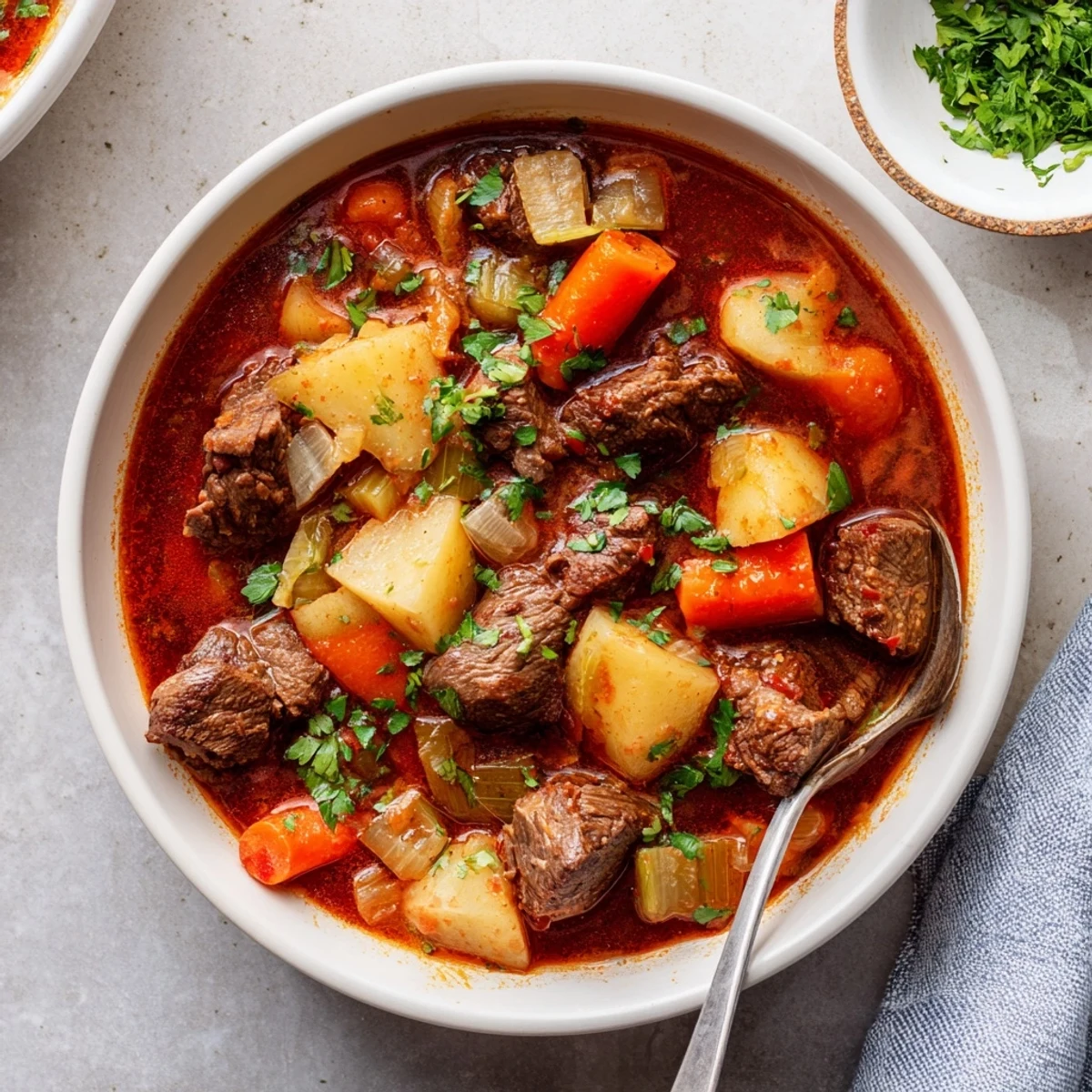
Save One January evening I ladled this stew into bowls for four friends who had helped me move a sofa up three flights of stairs. Nobody spoke for ten full minutes, and when someone finally looked up they just said thank you with sauce on their chin. I knew then that this recipe needed a permanent place in my life.
Serving Ideas Worth Trying
Crusty bread is the obvious choice and honestly hard to beat, but spooning this over soft polenta transforms it into something you would pay good money for in a restaurant. A friend of mine serves it over wide ribbons of pappardelle and swears it is even better the next day cold, though I have never let leftovers survive long enough to test that claim.
Swaps and Variations
Veal works in place of beef with a slightly more delicate result, and tossing in a handful of peas during the last ten minutes adds a sweet pop of green that children seem to love. You can also replace the potatoes with chunks of butternut squash in autumn for a seasonal twist that feels unexpected and entirely right.
Getting It Right Every Time
A heavy bottomed pot is non negotiable because thin pots create hot spots that scorch the sauce before the meat gets tender. Your wooden spoon is the best tool for deglazing since metal can scrape up seasoning from the pot and alter the taste. Cut everything roughly the same size so each spoonful delivers the same experience.
- Taste the sauce at the very end and add salt in tiny pinches, stirring and tasting after each one.
- Let the finished stew rest off the heat for ten minutes before serving so the flavors settle.
- Always cook with the same wine you plan to drink with dinner.
 Save
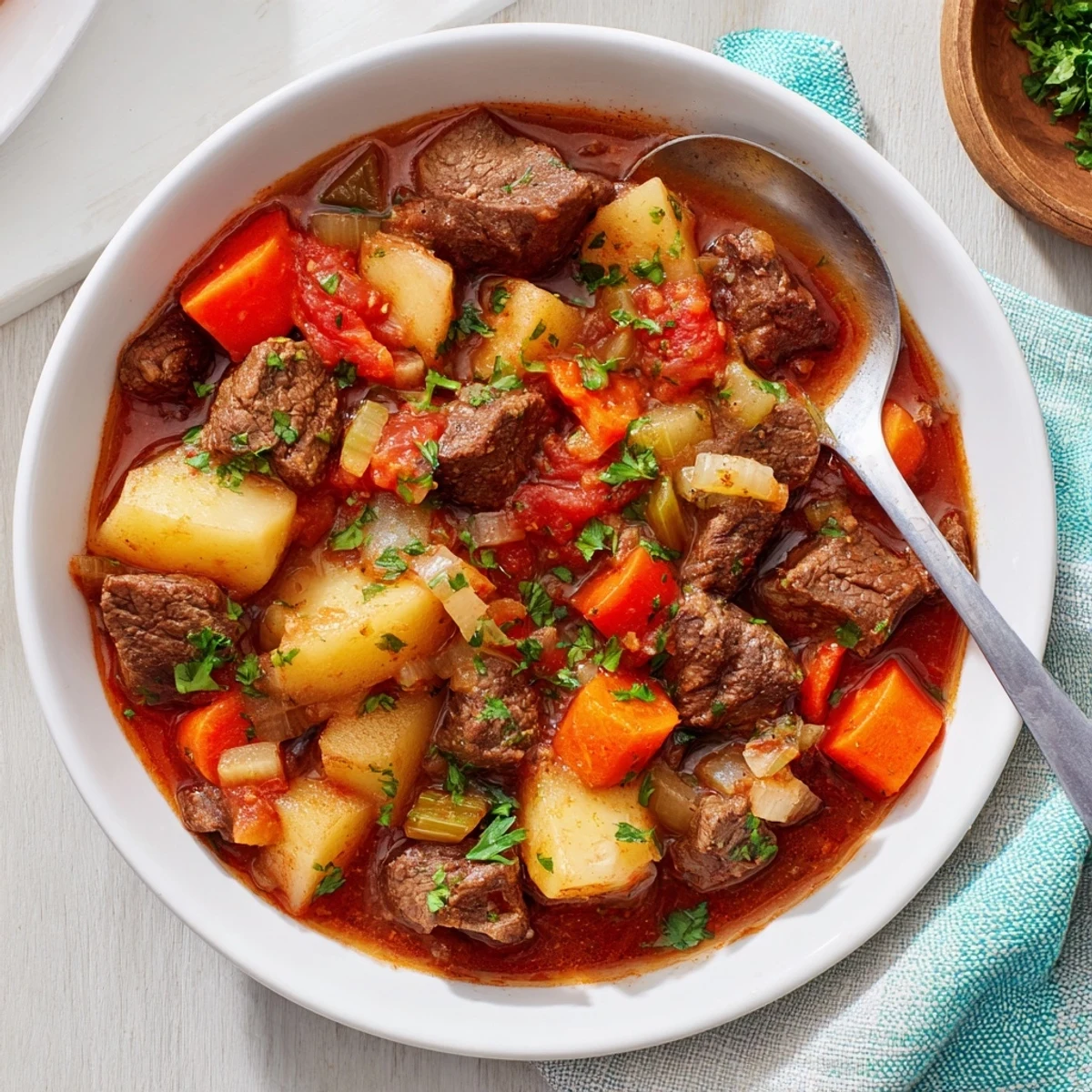
Save Some recipes you follow and forget, but this one has a way of becoming part of your story. Make it once and you will find yourself reaching for that heavy pot every time the sky turns gray.
Recipe FAQs
- → What cut of beef works best?
-
Chuck, brisket, or round cuts work excellently as they become tender during long cooking. The key is choosing well-marbled meat with connective tissue that breaks down during simmering.
- → Can I make this in a slow cooker?
-
Absolutely. Brown the meat first on the stovetop, then transfer everything to your slow cooker. Cook on low for 7-8 hours or high for 4-5 hours, adding potatoes during the last 2 hours.
- → What can I substitute for red wine?
-
Additional beef stock works well, or try grape juice with a splash of vinegar for acidity. The wine adds depth and tenderizing properties, but the dish remains delicious without it.
- → How do I store and reheat leftovers?
-
Refrigerate for up to 4 days or freeze for 3 months. Reheat gently on the stove, adding a splash of water or stock if the sauce has thickened too much. The flavors often improve overnight.
- → What sides complement this stew?
-
Crusty bread, creamy polenta, mashed potatoes, or simple green salads balance the richness. Roasted vegetables or sautéed greens also make excellent accompaniments.