
 Save
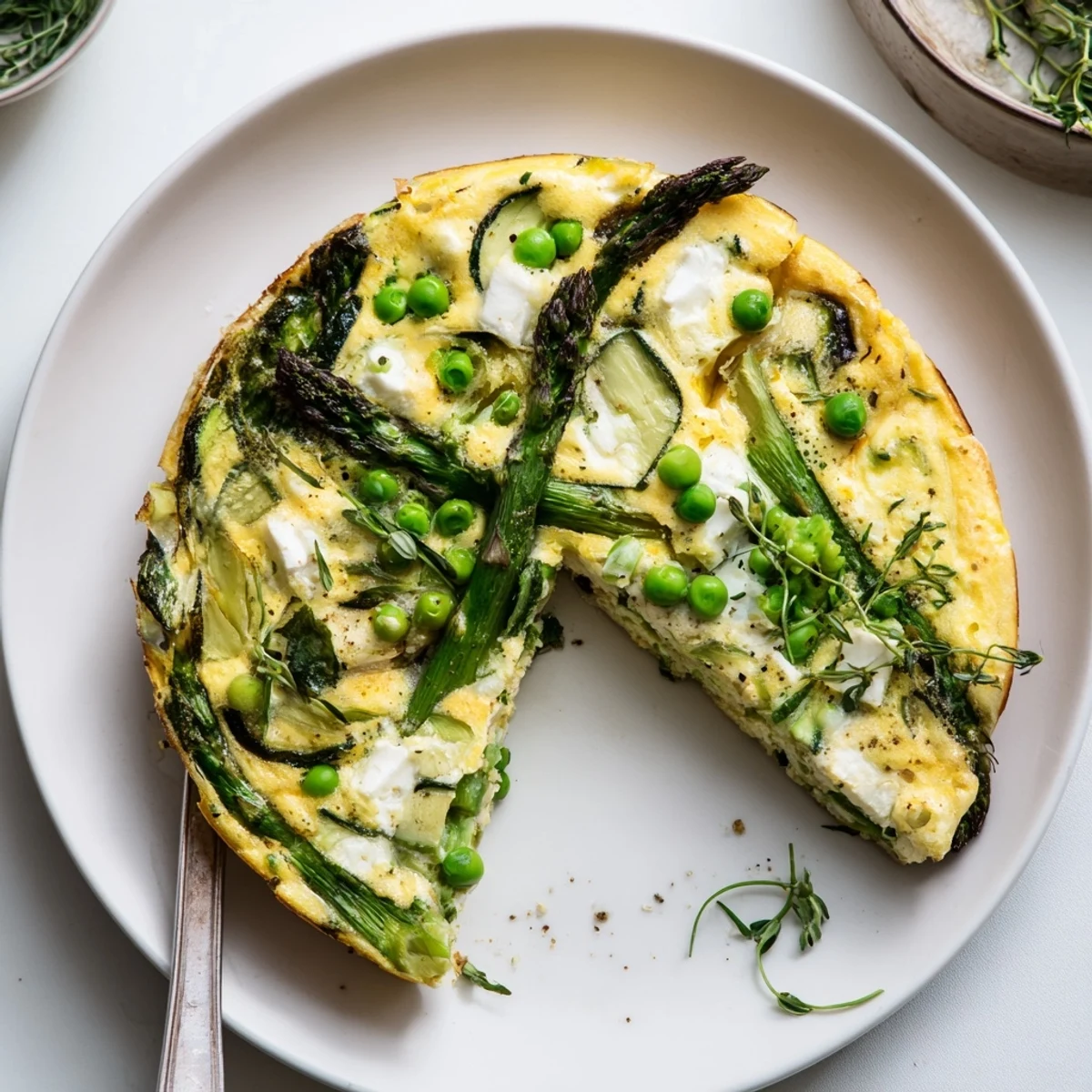
Save This oven-baked spring frittata layers sautéed asparagus, zucchini, scallions, spinach and peas with a whisked egg-milk base and crumbled goat cheese. Sauté vegetables 3–4 minutes, pour in eggs, finish in a hot oven 12–15 minutes until set. Let rest slightly before slicing. Swap herbs, use feta or ricotta, or choose plant-based milk/cheese to adapt for dietary needs.
The window was open and a warm breeze carried the smell of cut grass through the kitchen while I stood there wondering what to do with a bundle of asparagus I had overbought at the farmers market. A frittata felt like the right answer, something effortless that would let those green stalks shine without much fuss. I cracked eggs into a bowl, crumbled in some goat cheese I found hiding behind the butter, and let the oven do the serious work. That afternoon slice, eaten standing at the counter with a fork, remains one of my favorite ways to welcome spring.
My neighbor stopped by once while I was pulling a frittata from the oven, and we ended up sitting on the back steps eating wedges of it straight from the pan with our fingers. She brought over a handful of fresh thyme from her garden, and now I cannot make this without thinking of that lazy Sunday.
Ingredients
- Asparagus: Trimmed and cut into one inch pieces, these give the frittata its heartiest bite and that unmistakable spring flavor.
- Baby spinach: Wilts down to almost nothing but adds a lovely dark green color and subtle earthiness throughout.
- Frozen peas: Thawed before adding, they bring a gentle sweetness that balances the savory eggs beautifully.
- Zucchini: Sliced into thin half moons so they cook quickly and layer evenly across the bottom of the pan.
- Scallions: Thinly sliced for a mild onion kick that does not overpower the delicate vegetables.
- Eggs: Eight large eggs create a thick, satisfying base that holds everything together in beautiful golden slices.
- Whole milk or cream: Just a quarter cup keeps the texture silky and prevents the eggs from turning rubbery in the oven.
- Salt and black pepper: Season generously because eggs need it more than you might think.
- Fresh thyme leaves: A small amount goes a long way, adding a woodsy aroma that makes the kitchen smell incredible.
- Goat cheese: Crumbled over the top before baking, it forms golden blistery spots and creamy pockets inside.
- Olive oil: Used to sauté the vegetables and gives the frittata a subtle fruitiness at the edges.
Instructions
- Preheat the oven:
- Set your oven to 375°F and let it come fully to temperature while you prepare the vegetables. A properly heated oven ensures the top sets evenly without overcooking the bottom.
- Sauté the hearty vegetables:
- Heat olive oil in a large ovenproof skillet over medium heat, then add the asparagus, zucchini, and scallions. Cook for three to four minutes until the asparagus is bright green and just tender enough to pierce with a fork.
- Wilt the greens:
- Stir in the spinach and peas, cooking for one to two minutes until the spinach collapses and shrinks. The pan will look wonderfully colorful at this stage.
- Whisk the egg mixture:
- In a mixing bowl, whisk the eggs, milk, salt, pepper, and thyme until completely smooth with no streaks of yolk visible. This ensures every slice has the same creamy texture.
- Combine and distribute:
- Spread the vegetables into an even layer across the skillet, then pour the egg mixture gently over the top. Shake the pan lightly side to side so the eggs settle into every gap around the vegetables.
- Add the goat cheese:
- Scatter crumbled goat cheese evenly across the surface, pressing some pieces down gently so they nestle into the eggs. The cheese will brown and bubble in the most appetizing way.
- Set the edges on the stovetop:
- Cook over low to medium heat for three to four minutes without stirring, just until you see the edges pulling away from the pan and turning opaque. The center will still look wet and that is exactly what you want.
- Finish in the oven:
- Transfer the skillet carefully to the oven and bake for twelve to fifteen minutes until the center is set and the top has a light golden blush. A gentle shake of the pan should show no jiggling in the middle.
- Cool and serve:
- Let the frittata rest for a few minutes before slicing into wedges, which helps it hold its shape. Serve warm or at room temperature, though honestly it is delicious either way.
 Save
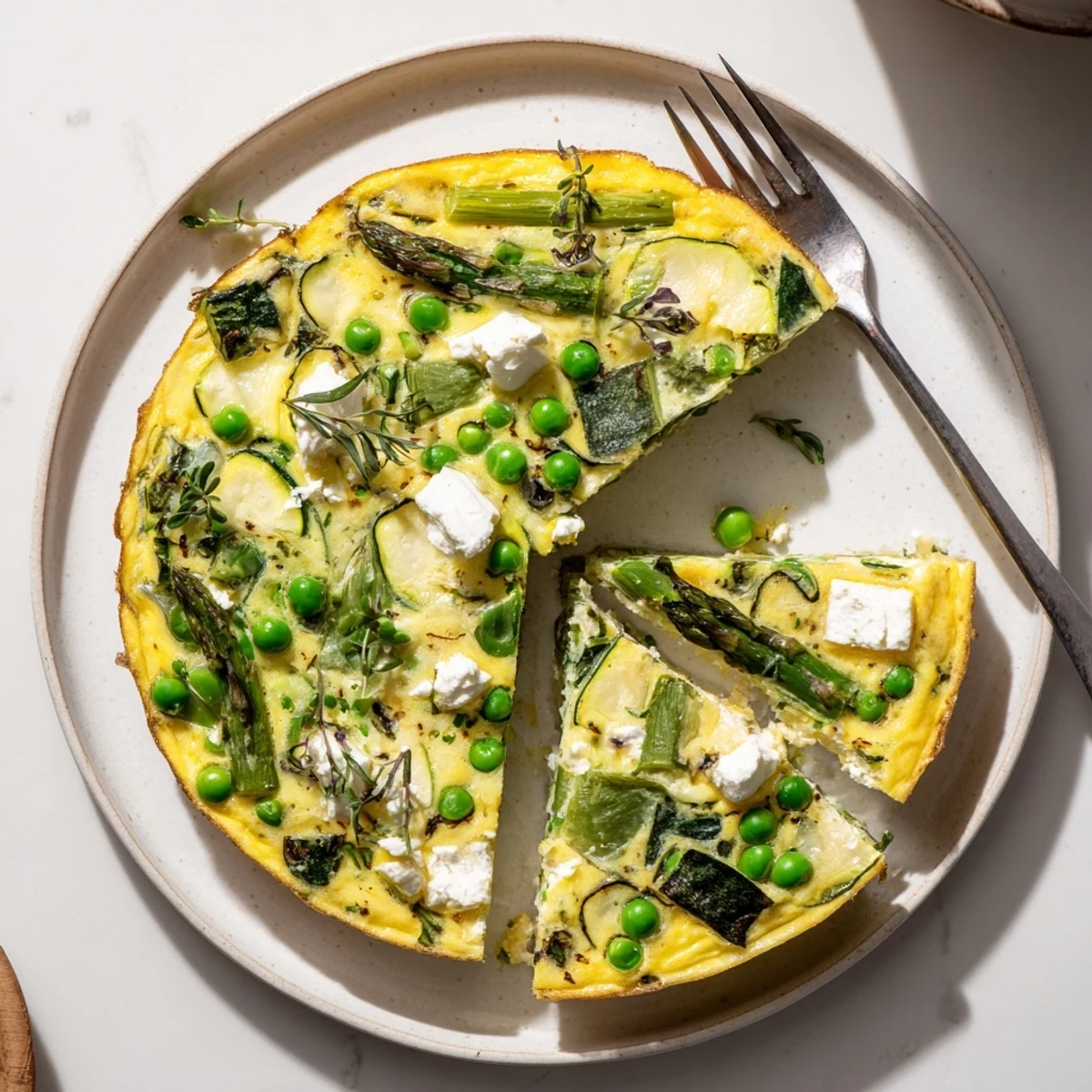
Save I once packed leftover slices of this frittata for a picnic at the park and it tasted even better at room temperature, the flavors somehow deeper and more settled after resting.
What to Serve Alongside It
A simple arugula salad dressed with lemon juice and olive oil makes the perfect companion, adding a peppery crunch that cuts through the richness of the eggs and cheese. Thick slices of crusty bread toasted and rubbed with a raw garlic clove turn this into a meal worthy of guests.
Swaps and Variations
Feta works beautifully in place of goat cheese if you prefer a saltier, firmer bite throughout each slice. Fresh herbs like chives, flat leaf parsley, or dill can stand in for the thyme, and each one gives the frittata a completely different personality.
Making It Ahead
This frittata reheats gently in a low oven or even eats well cold from the refrigerator, making it an excellent choice for meal prep or a make ahead brunch. It keeps well covered in the fridge for up to three days without losing texture or flavor.
- Cool completely before covering and refrigerating so condensation does not make the bottom soggy.
- Reheat individual slices in a skillet over low heat rather than the microwave for better texture.
- Always use an ovenproof skillet from the start so you never have to transfer a fragile half cooked frittata to a new pan.
 Save
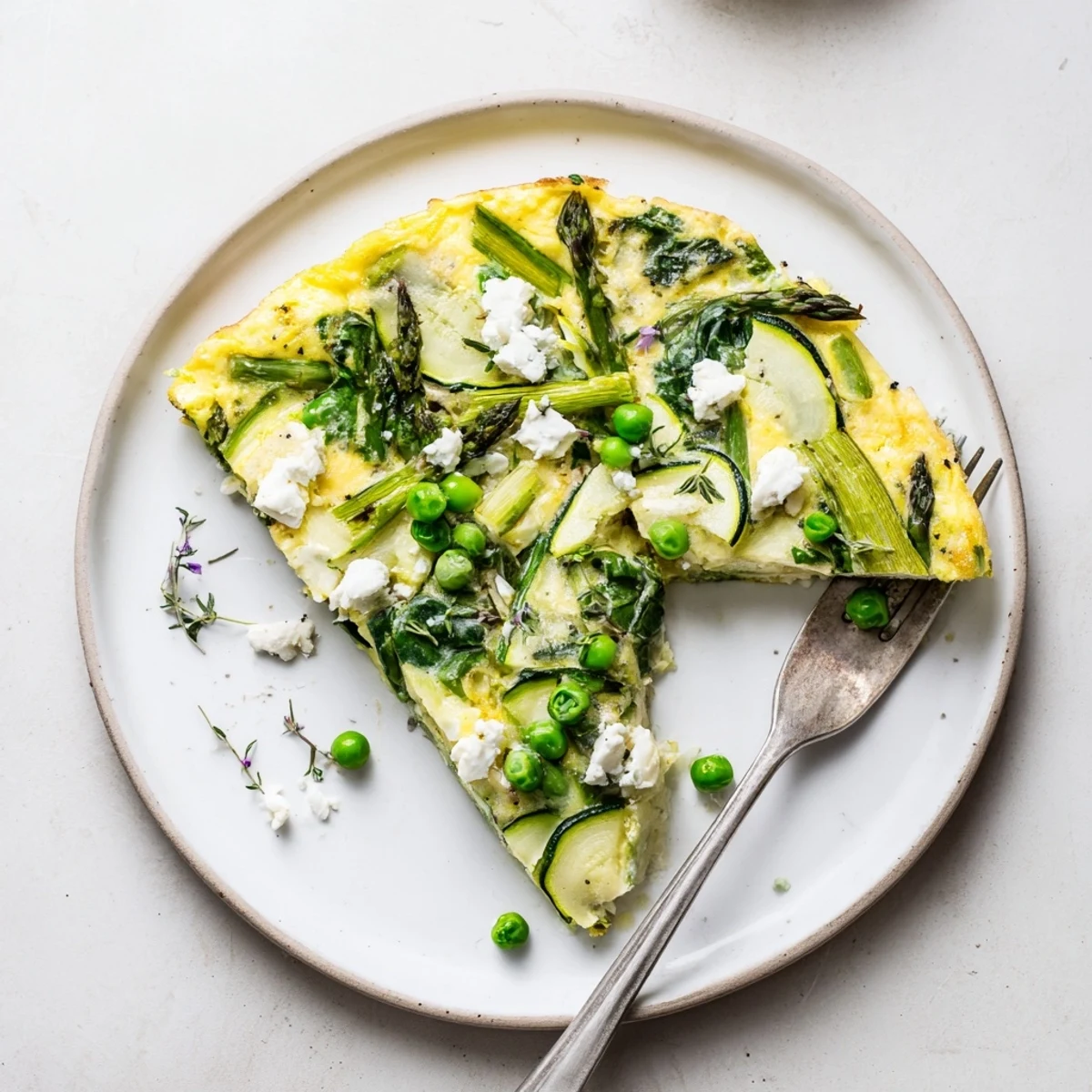
Save This dish has a way of turning the simplest vegetables into something that feels intentional and special, no matter the occasion. Keep this recipe close when you want something warm, golden, and genuinely easy.
Recipe FAQs
- → How do I prevent a rubbery texture?
-
Whisk eggs with just a splash of milk, avoid overbeating, and don't overbake. Sear vegetables until just tender, then finish in a hot oven until the center is set but still slightly jiggly for a tender finish.
- → Can I make it ahead of time?
-
Yes. Bake, cool completely, then refrigerate up to 2 days. Reheat gently in a low oven or slice and serve cold. For gatherings, warm slices briefly to revive the creaminess of the cheese.
- → What skillet should I use?
-
Use a 10–12 inch ovenproof skillet, preferably cast iron or heavy stainless steel, for even heat and easy transfer to the oven. Light nonstick pans work but may brown differently.
- → How can I keep the vegetables from releasing too much water?
-
Sauté watery vegetables like zucchini and asparagus until some moisture evaporates and edges begin to brown. Drain excess liquid or cook a bit longer on medium-high to concentrate flavor before adding eggs.
- → What are good cheese substitutions for goat cheese?
-
Feta offers tang and crumbly texture, ricotta gives creaminess, and mild cream cheese smooths the custard. For dairy-free diets, choose firm plant-based cheeses and a splash of plant milk.
- → How do I ensure the frittata cooks evenly?
-
Spread vegetables in an even layer, whisk eggs thoroughly, and heat the skillet so edges begin to set before transferring to a preheated oven. Rotate the pan if your oven has hot spots and allow a short rest after baking.