
 Save
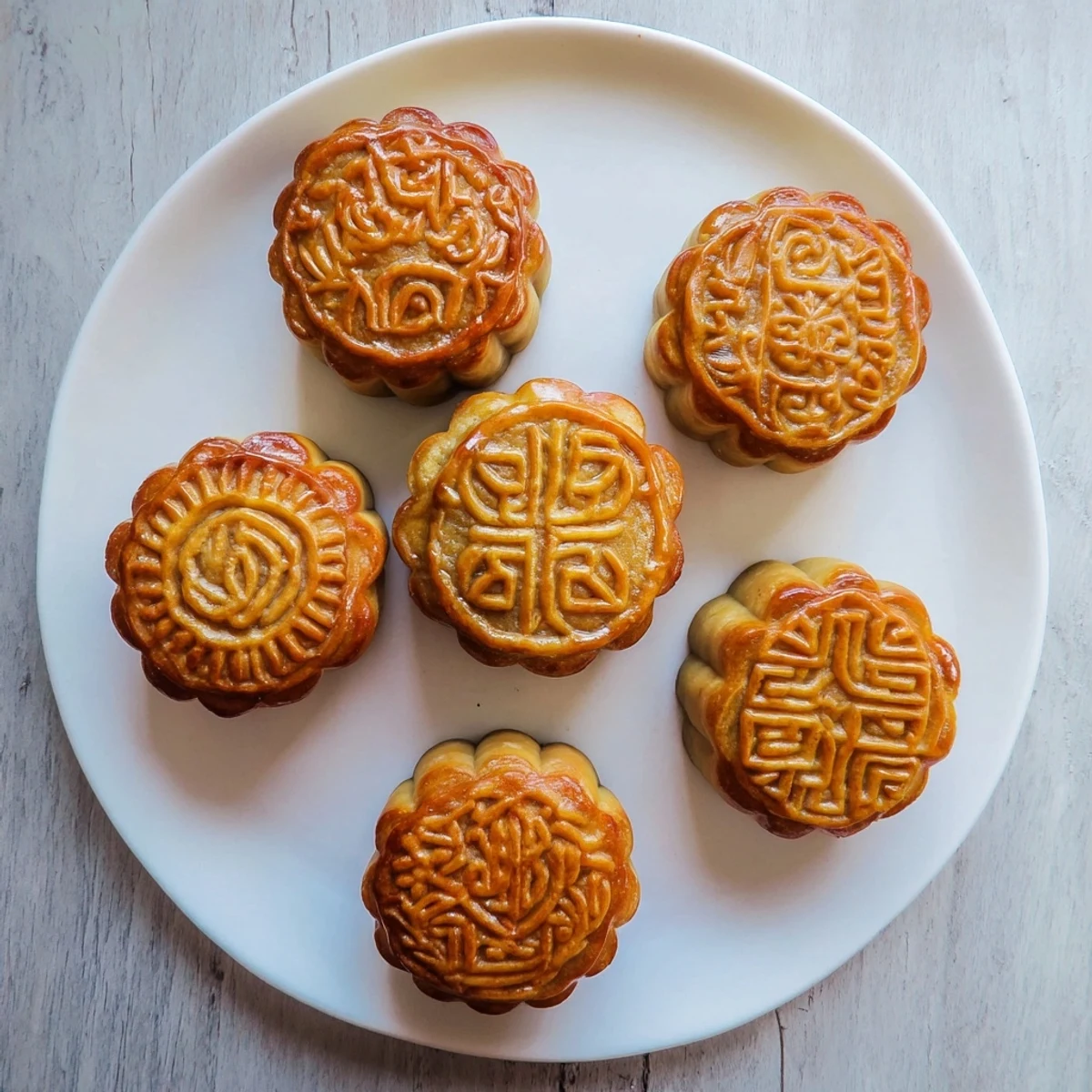
Save These handheld pastries feature a golden, tender wrapper encasing rich lotus seed paste with a savory salted egg yolk center. The dough combines golden syrup and alkaline water for that signature glossy finish and melt-in-your-mouth texture.
After shaping in traditional molds, the pastries develop their beautiful amber sheen through a two-step baking process with an egg wash glaze. Allow them to rest for a day or two—the skin softens beautifully while the filling becomes even more luscious.
Pair these dense, sweet treats with hot Chinese tea to balance their richness. Customizable with red bean or black sesame fillings, and adaptable for vegan preferences using plant-based glaze alternatives.
The first time I attempted mooncakes, my kitchen filled with this incredible syrupy sweet fragrance that I'd never experienced before. My grandmother had gifted me a traditional wooden mold, and I spent hours trying to get the wrapping technique right, with filling peeking through more than once. Now that intricate process feels almost meditative, and there's something deeply satisfying about turning out those perfectly shaped pastries with their delicate imprints.
Last autumn, I made a batch for my neighbors who had never tried mooncakes before. Watching their faces light up when they bit into that first wedge, discovering the salted egg yolk hidden inside like a treasure, reminded me why I bother with the fussy shaping process. They kept returning to the kitchen for 'just one more taste' until the entire plate disappeared.
Ingredients
- Golden syrup: This thick, amber syrup gives mooncakes their signature glossy finish and moist texture, so don't substitute with corn syrup or honey
- Alkaline water: Also called lye water, this essential ingredient creates that distinct springy texture and beautiful golden brown color
- Lotus seed paste: Smooth, subtly sweet, and incredibly traditional, though red bean paste works beautifully if you prefer something earthier
- Salted egg yolks: These create that stunning contrasting center and add a savory depth that balances the intense sweetness
Instructions
- Mix the syrup base:
- Whisk together the golden syrup, vegetable oil, and alkaline water until completely smooth and emulsified
- Form the dough:
- Add flour to the syrup mixture and stir gently until just combined, then cover and let the dough rest for 30 minutes so it becomes workable
- Prepare the filling:
- Divide the lotus paste into 12 equal portions and nestle a salted egg yolk inside each one, shaping the paste around it until completely hidden
- Wrap and shape:
- Flatten each dough piece into a disc, encase a filling ball, and press into a floured mold before carefully releasing onto your baking sheet
- Bake with patience:
- Bake for just 5 minutes, cool for 10, brush with egg glaze, then finish baking until golden brown
- The waiting game:
- Let mooncakes cool completely and store in an airtight container for 1-2 days so the skin softens and develops that signature tender texture
 Save
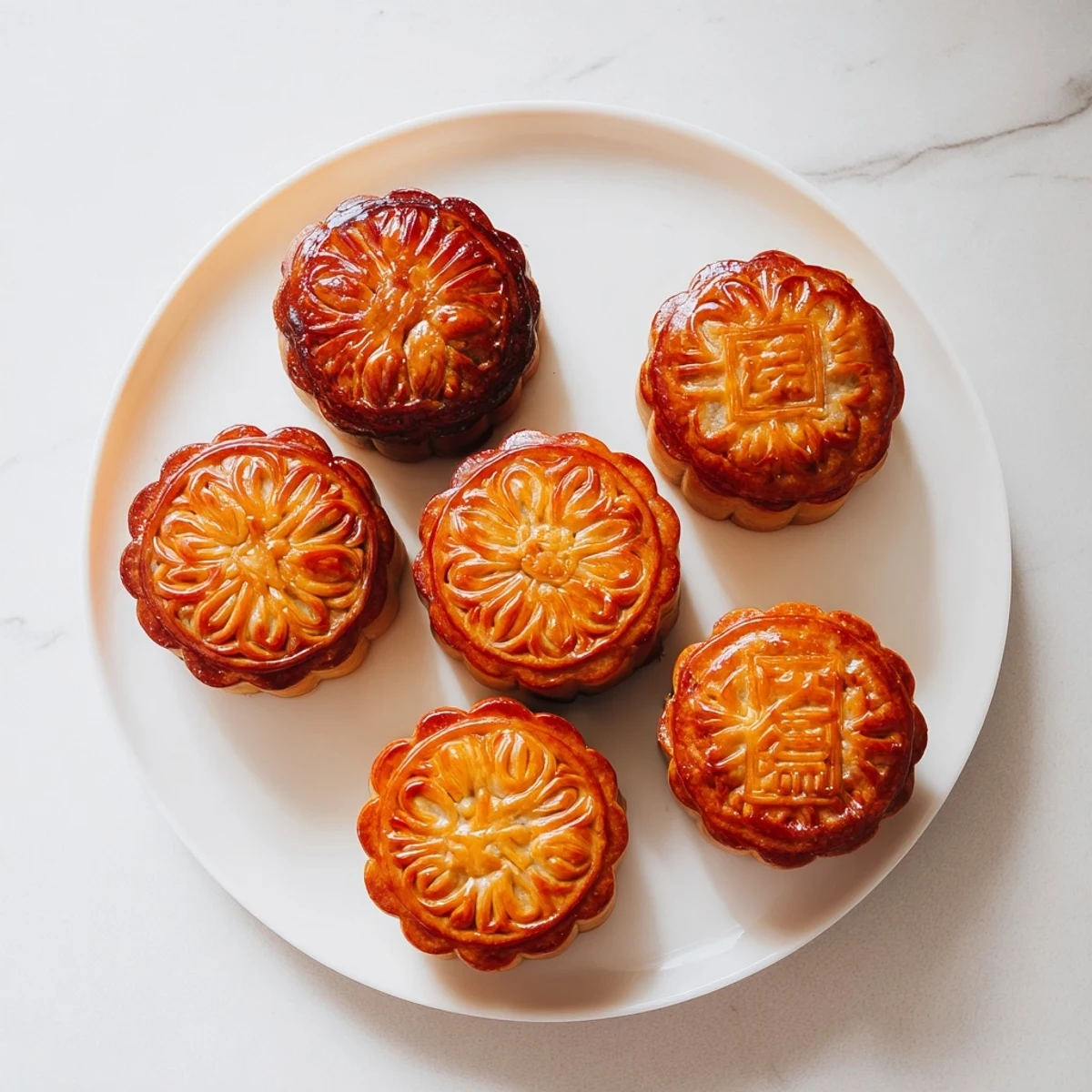
Save My auntie told me that mooncakes taste best when shared, and she's absolutely right. There's something about slicing through that golden crust and revealing the layers inside that makes people lean in closer, conversation pausing for just a moment of collective appreciation.
Getting the Wrap Right
The trickiest part is wrapping that thin layer of dough around the filling without tearing it. I've learned to work with smaller portions than I think I need, keeping the dough slightly thicker at the bottom and thinner at the top where the mold's design will be. If you see filling peeking through, just patch it with a tiny piece of dough and try again, nobody will notice after baking.
The Alkaline Water Secret
That tiny teaspoon of alkaline water makes all the difference between a regular pastry and authentic mooncake texture. It neutralizes acidity in the syrup, promotes browning, and creates that distinctively springy, chewy bite. You can find it in Asian grocery stores, sometimes labeled as 'kansui' or 'lye water for baking.'
Serving and Storage
Mooncakes are meant to be enjoyed in small wedges with hot Chinese tea, which cuts through their richness beautifully. The flavors actually improve after a day or two of resting in an airtight container, as the filling and pastry meld together. I've learned that storing them with a piece of bread helps maintain the perfect moisture level if you're keeping them longer than a week.
- Cut with a sharp knife wiped clean between slices for the cleanest edges
- Serve at room temperature rather than chilled for the best texture
- Pouring hot tea over a slightly warmed mooncake creates this incredible moment of steam and aroma
 Save
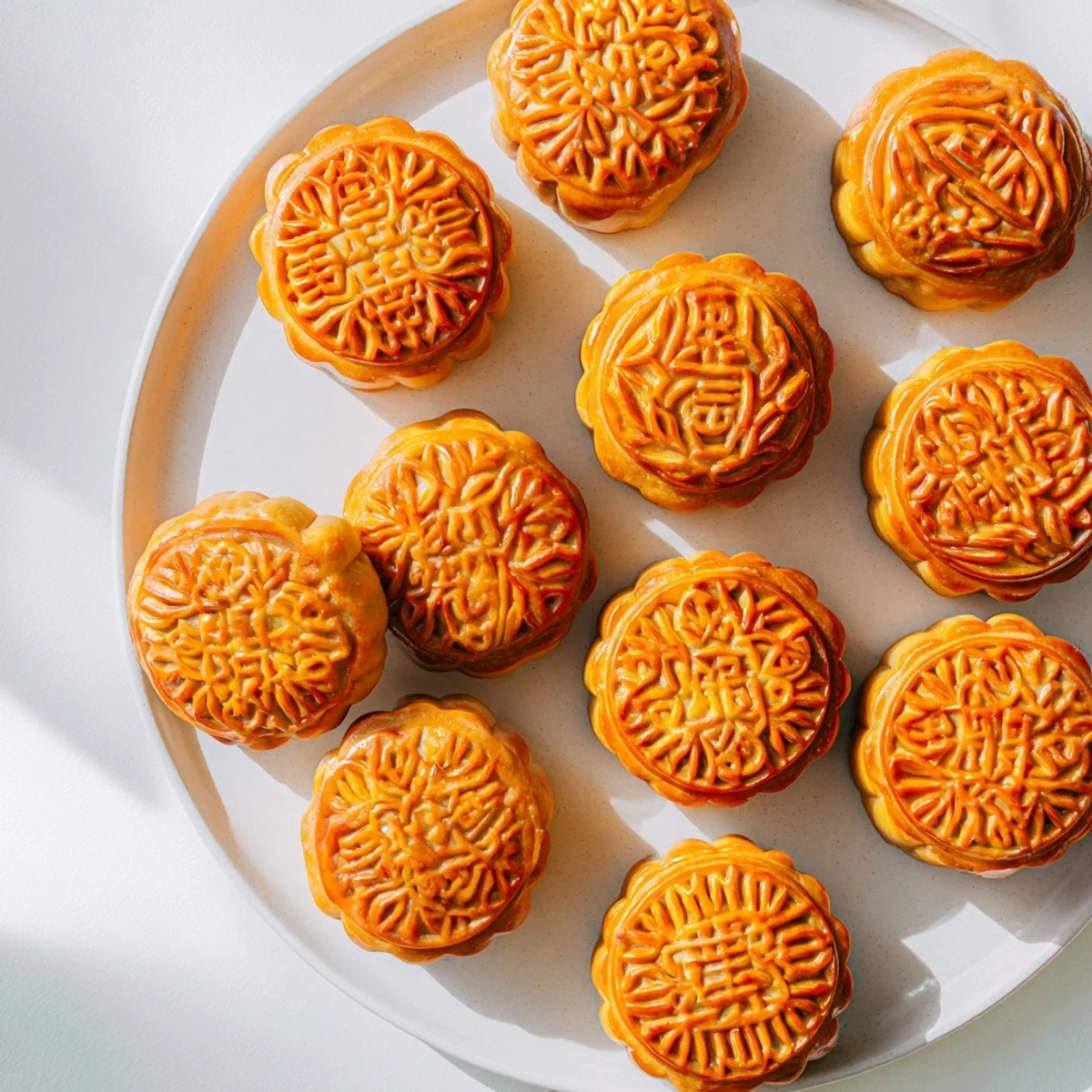
Save There's something deeply rewarding about making mooncakes, knowing you're continuing a tradition that spans generations and brings people together around something handmade and sweet.
Recipe FAQs
- → What makes mooncake dough unique?
-
The dough uses golden syrup and alkaline water, which creates the characteristic tender, glossy skin that softens beautifully during storage. This combination gives the pastry its distinctive golden color and melt-in-your-mouth texture.
- → Can I make these without salted egg yolks?
-
Absolutely. While salted egg yolks are traditional, they're completely optional. Simply use the lotus seed paste alone for a uniformly sweet filling, or substitute with red bean paste or black sesame for different flavor profiles.
- → Why rest mooncakes before serving?
-
Resting for 1-2 days allows the skin to soften and the moisture to redistribute. Freshly baked mooncakes have a crisp exterior, but the traditional texture is tender and slightly chewy, developing over time.
- → What beverage pairs best with mooncakes?
-
Chinese tea is the classic accompaniment—oolong, pu'er, or jasmine teas cut through the richness and complement the sweet, dense filling. The slight bitterness and warmth balance the pastry's sweetness perfectly.
- → How do I store mooncakes?
-
Keep in an airtight container at room temperature for up to two weeks. The filling remains stable, and the skin continues to soften. For longer storage, refrigerate for up to a month, though bring to room temperature before serving for best texture.
- → Can I use store-bought fillings?
-
Yes, pre-made lotus seed or red bean paste work wonderfully and save significant time. Just ensure the paste is thick enough to hold its shape when portioning. Homemade paste allows for customization of sweetness and texture.