
 Save
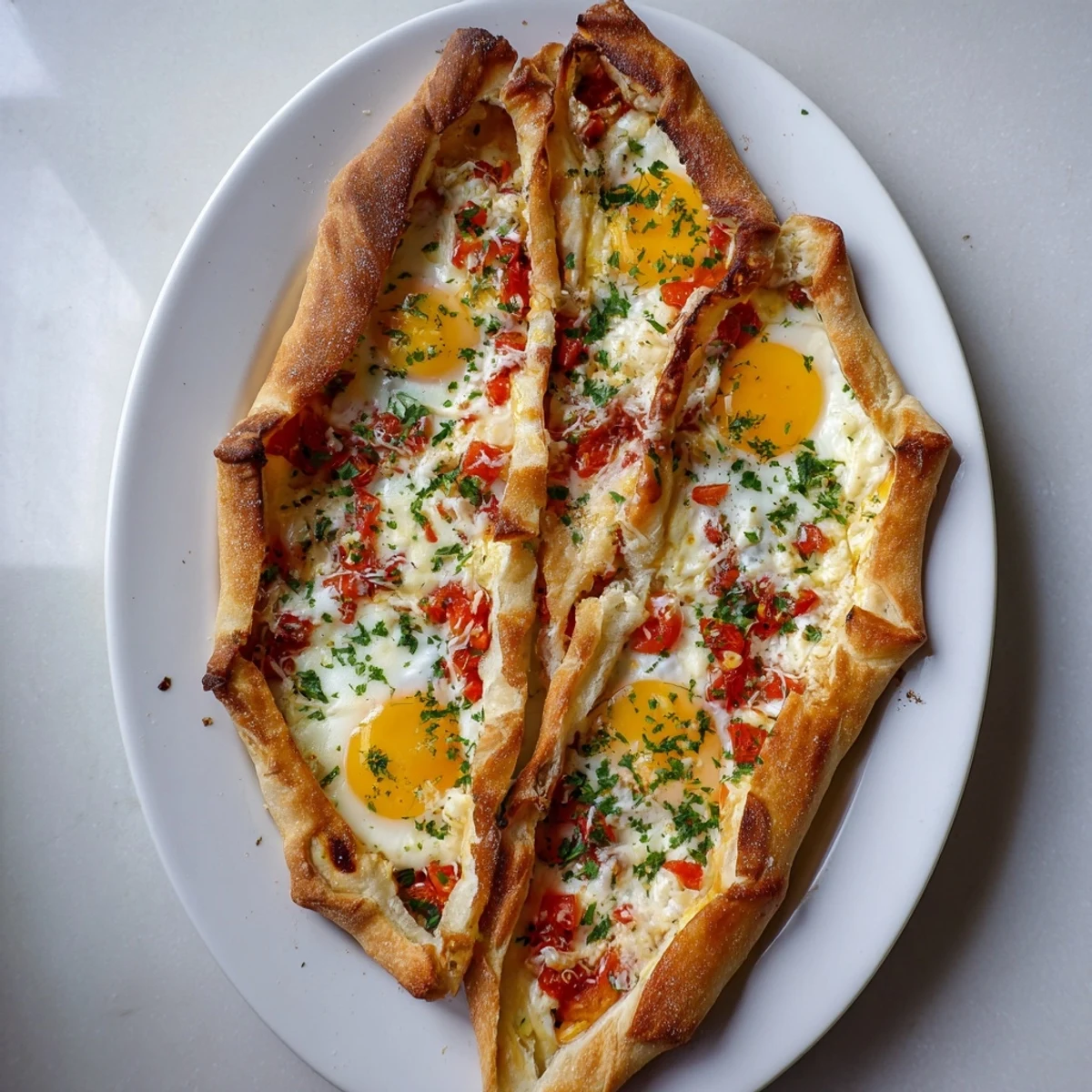
Save Experience the authentic taste of Turkey with these homemade pide flatbreads. Each boat-shaped creation features a crispy, golden crust filled with a savory blend of mozzarella and feta cheese, complemented by juicy diced tomatoes. The crowning glory is a perfectly baked egg with a runny yolk that creates a rich, satisfying sauce when broken. Ready in under an hour, these versatile flatbreads make an impressive main course that's perfect for breakfast, lunch, or dinner.
The morning sunlight hit my kitchen counter just as I pulled these golden boats from the oven, their edges bubbling with butter and the egg yolks trembling in the center like tiny suns. I had spent the previous evening at my friend Ayşe's house, watching her grandmother shape the dough with practiced hands that moved faster than I could follow. The scent of warm yeast and melting cheese filled my small apartment, transporting me back to that cozy Turkish kitchen where laughter mingled with the aromas of baking bread. Now I make these whenever I need to bring a piece of that hospitality into my own home.
Last winter, during that endless stretch of gray weekends, I made a batch of these for my roommates who were all nursing various seasonal colds. Something about the warm, comforting combination of carbs, cheese, and protein seemed to work better than any medicine I could have offered. We sat around the tiny kitchen table, letting the yolks run into the tomato and cheese mixture, not saying much because our mouths were too full. That afternoon turned into a weekly tradition that lasted months.
Ingredients
- All-purpose flour: This creates the right structure for the dough, giving it enough protein to hold the filling while still tender enough to tear into easily
- Instant yeast: Skip the proofing step entirely—this variety dissolves beautifully in warm water and cuts down your waiting time significantly
- Sugar: Just a teaspoon helps feed the yeast and contributes to that gorgeous golden brown color in the oven
- Salt: Essential for flavor, but also helps strengthen the gluten structure so your boats dont collapse under their delicious burden
- Warm water: Should feel like bath temperature—too hot kills the yeast, too cold makes it sluggish and slow to rise
- Olive oil: Keeps the dough supple and adds a subtle fruitiness that pairs beautifully with the cheese filling
- Shredded mozzarella: Provides the incredible stretch factor and mild creaminess that balances the stronger feta
- Feta cheese: The salty anchor of the entire operation, bringing that characteristic tang and crumbly texture
- Tomatoes: Seed them thoroughly or youll end up with soggy centers—ask me how I learned this lesson the hard way
- Fresh parsley: Adds bright, fresh notes that cut through all that rich cheese and egg
- Dried oregano: Earthy and aromatic, it bridges the gap between the mild cheese and the robust tomato
- Ground black pepper: Freshly cracked makes a huge difference here, adding little sparks of heat throughout
- Large eggs: Room temperature eggs will settle into the wells more evenly and cook more consistently
- Melted butter: Brushed over the edges, it creates that restaurant-style golden finish that makes these look professionally made
Instructions
- Make the dough foundation:
- Combine your flour, yeast, sugar, and salt in a large bowl, then pour in the warm water and olive oil, stirring until everything comes together into a shaggy, rough mass that looks like it needs attention
- Knead until smooth:
- Turn the dough onto a lightly floured surface and work it with the heels of your hands for 8 to 10 minutes, feeling it transform from sticky and rebellious to smooth, elastic, and slightly tacky
- Let it rise:
- Place your dough in a clean bowl, cover it with a warm towel, and find the coziest corner of your kitchen where it can double in size over the next hour, dreaming about becoming a boat
- Heat things up:
- Crank your oven to 475°F with the rack in the middle position, then line a baking sheet with parchment paper so nothing sticks to your masterpiece
- Mix the filling:
- In a bowl, combine mozzarella, feta, diced tomatoes, parsley, oregano, and pepper until its evenly distributed and you cant resist sneaking a tiny taste
- Shape your boats:
- Punch down the risen dough, divide it into 4 equal pieces, and roll each into an oval about 10 by 4 inches, transferring them to your prepared baking sheet like little dough canoes
- Fill and form:
- Spread the cheese mixture over each oval, leaving a small border, then fold the edges up slightly and pinch the ends to create that classic boat shape that cradles everything inside
- Butter and bake:
- Brush the dough edges with melted butter and slide the sheet into the hot oven for 10 minutes, just until the dough starts to set and firm up
- Add the eggs:
- Carefully remove the partially baked pides from the oven and crack an egg into the center of each one, trying not to break the yolk
- Finish baking:
- Return them to the oven for 7 to 10 more minutes, watching as the whites set into snowy clouds while keeping the yolks beautifully runny and the edges turn golden brown
- Serve immediately:
- Brush the edges with more melted butter if you want extra richness, scatter parsley on top, and bring these warm boats to the table while the eggs are still perfect
 Save
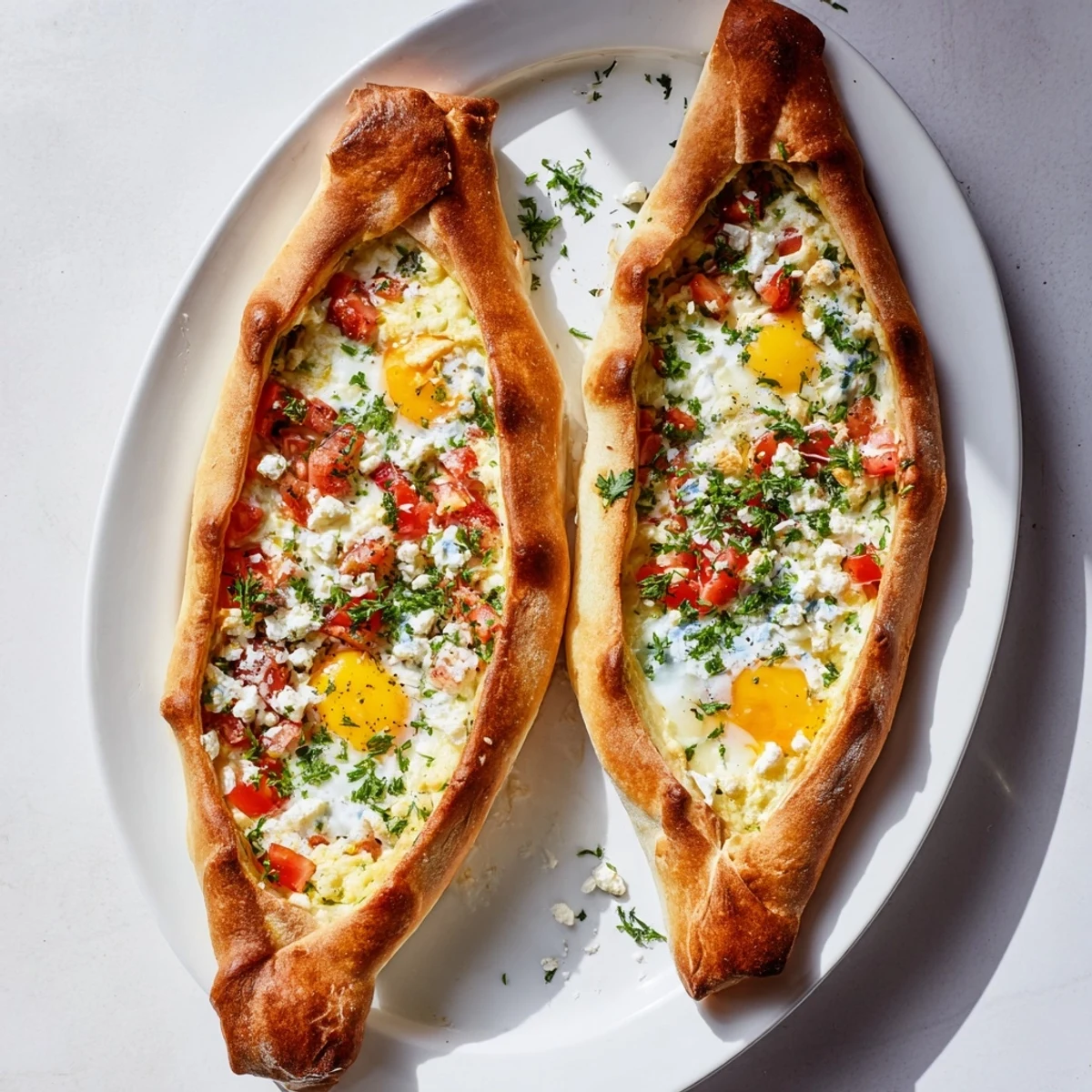
Save My sister called me midway through her first attempt at this recipe, slightly panicked because she had shaped her pides more like rectangles than the traditional boats. We both learned that day that the shape matters far less than the spirit of the thing, and her rectangular version was devoured just as quickly by her family. Sometimes the most memorable meals are the ones that dont look quite right but taste absolutely perfect.
Making Ahead
The dough can be prepared up to 24 hours in advance and kept in the refrigerator, actually developing better flavor from the slower fermentation. I often make a double batch of dough, freezing half of it for those emergency weeknight dinners when homemade bread feels impossible but necessary. Just thaw it overnight in the refrigerator and let it come to room temperature before shaping.
Filling Variations
While the classic combination is hard to beat, I've discovered that sautéed spinach and garlic add a lovely earthiness that pairs beautifully with the feta. During summer, fresh herbs like basil and mint make the pides feel lighter and more refreshing, perfect for eating on the patio with a glass of cold white wine. The Turks often add spicy sucuk or pastrami, turning this vegetarian dish into something completely different and equally delicious.
Serving Suggestions
These pides are substantial enough to stand alone as a light lunch or dinner, but I love serving them with a simple cucumber and tomato salad dressed with olive oil and lemon juice. A bowl of pickled vegetables on the side adds that perfect acidic crunch that cuts through the richness of the cheese and egg. In Turkey, breakfast is often the most elaborate meal of the day, and these fit perfectly into that generous, abundant spirit.
- Have your eggs at room temperature before cracking them into the hot pides for more even cooking
- If your oven runs hot, check the pides a few minutes early to prevent overcooked yolks
- Leftovers reheat surprisingly well in a 350°F oven for about 10 minutes
 Save
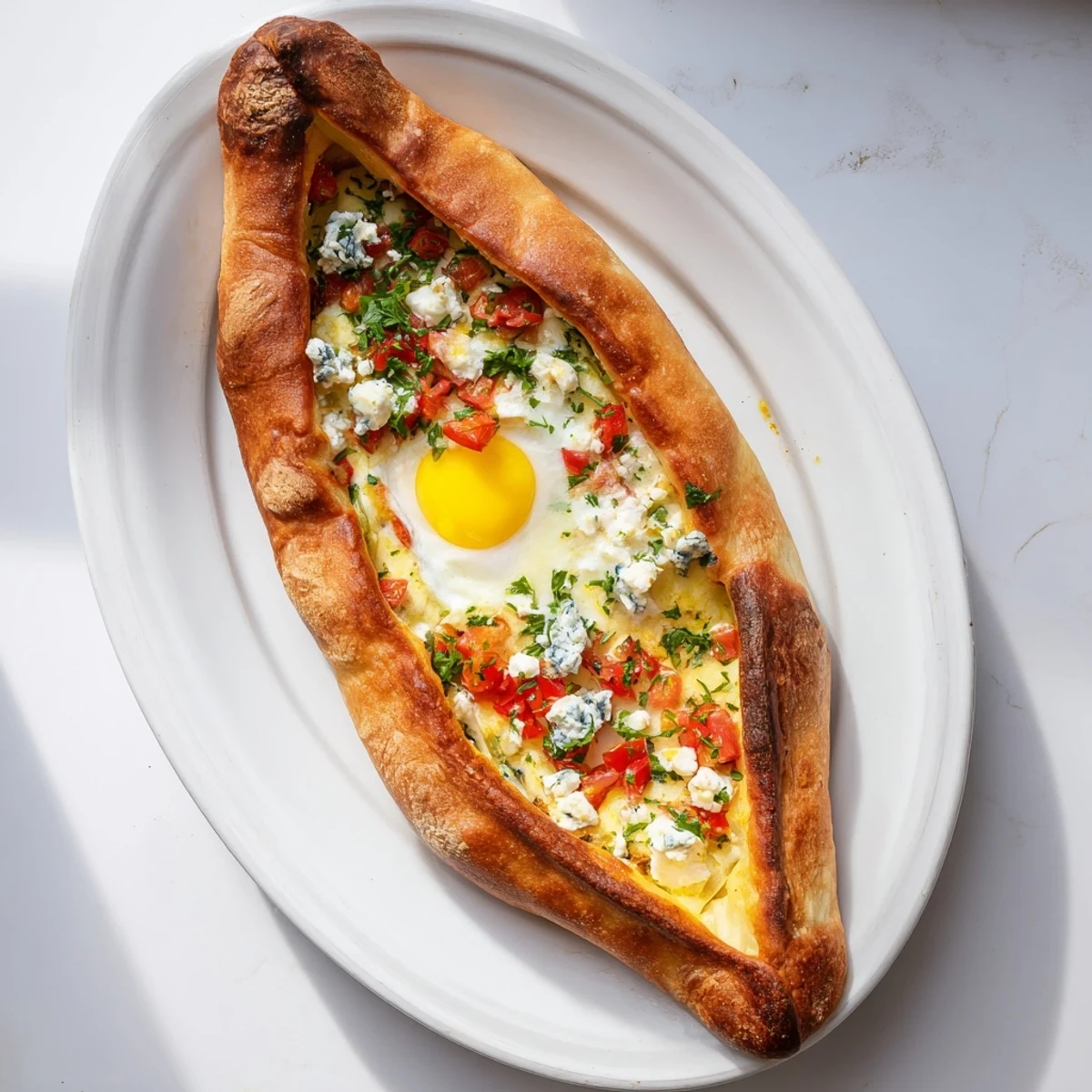
Save Theres something profoundly satisfying about tearing into a warm pide, letting the yolk mix with the melted cheese and tomato, creating your own perfect sauce with every bite. These simple boats have turned ordinary mornings into small celebrations and quiet weeknights into occasions worth remembering.
Recipe FAQs
- → What makes authentic Turkish pide different from pizza?
-
Turkish pide features a distinctive boat shape with folded edges that contain the filling, unlike pizza's flat surface. The dough is typically softer and more bread-like, and toppings often include eggs baked directly onto the cheese mixture, creating a unique texture and flavor profile.
- → Can I make the dough ahead of time?
-
Yes, the dough can be prepared up to 24 hours in advance. After the first rise, refrigerate it in a covered bowl. Bring to room temperature for 30 minutes before shaping and adding toppings. The dough actually develops better flavor with this slow fermentation.
- → What other fillings work well in pide?
-
Popular variations include spinach and feta (spanakopita-style), seasoned ground lamb with onions (kiymali), sucuk (Turkish sausage) with vegetables, or mushroom and herb combinations. The key is using ingredients that won't release too much moisture during baking.
- → How do I achieve the perfect runny yolk?
-
Bake the cheese-topped pide first for 10 minutes to set the crust. Then add the eggs and return to the oven for just 7-10 minutes. Watch closely—the whites should be fully set while yolks remain slightly jiggly. Remove immediately as residual heat continues cooking.
- → What should I serve with Turkish pide?
-
Traditional accompaniments include shepherd's salad (coban salatasi) with cucumber, tomatoes, and onions, pickled vegetables (turşu), and cacık (yogurt dip with cucumber and garlic). A simple green salad with lemon dressing also balances the rich flavors perfectly.
- → Can I freeze leftover pide?
-
Leftover pide freezes well for up to 3 months. Wrap individual pieces tightly in plastic wrap and aluminum foil. Reheat in a 350°F oven for 10-12 minutes until heated through and crisp. Note that the yolk will become fully set after freezing.