
 Save
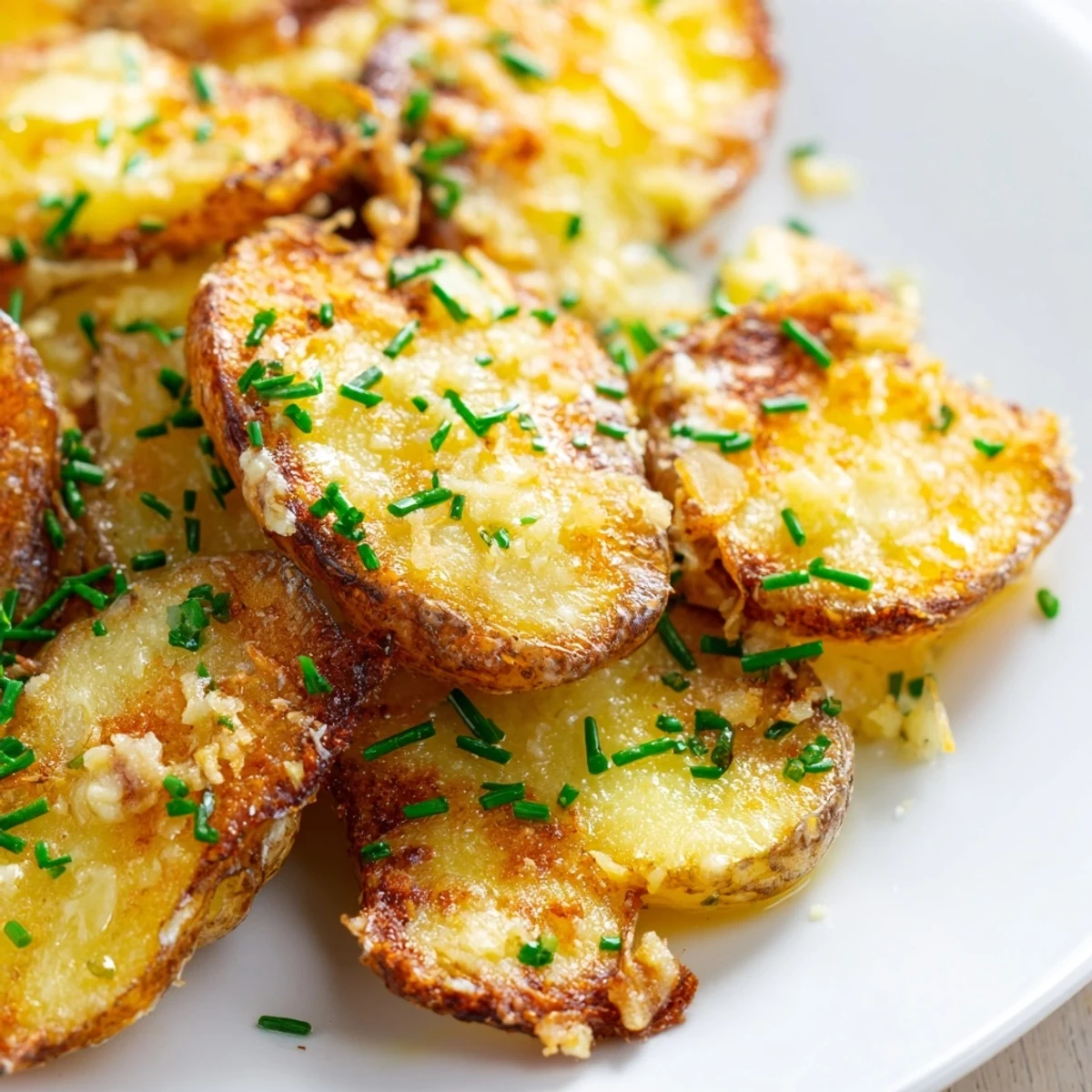
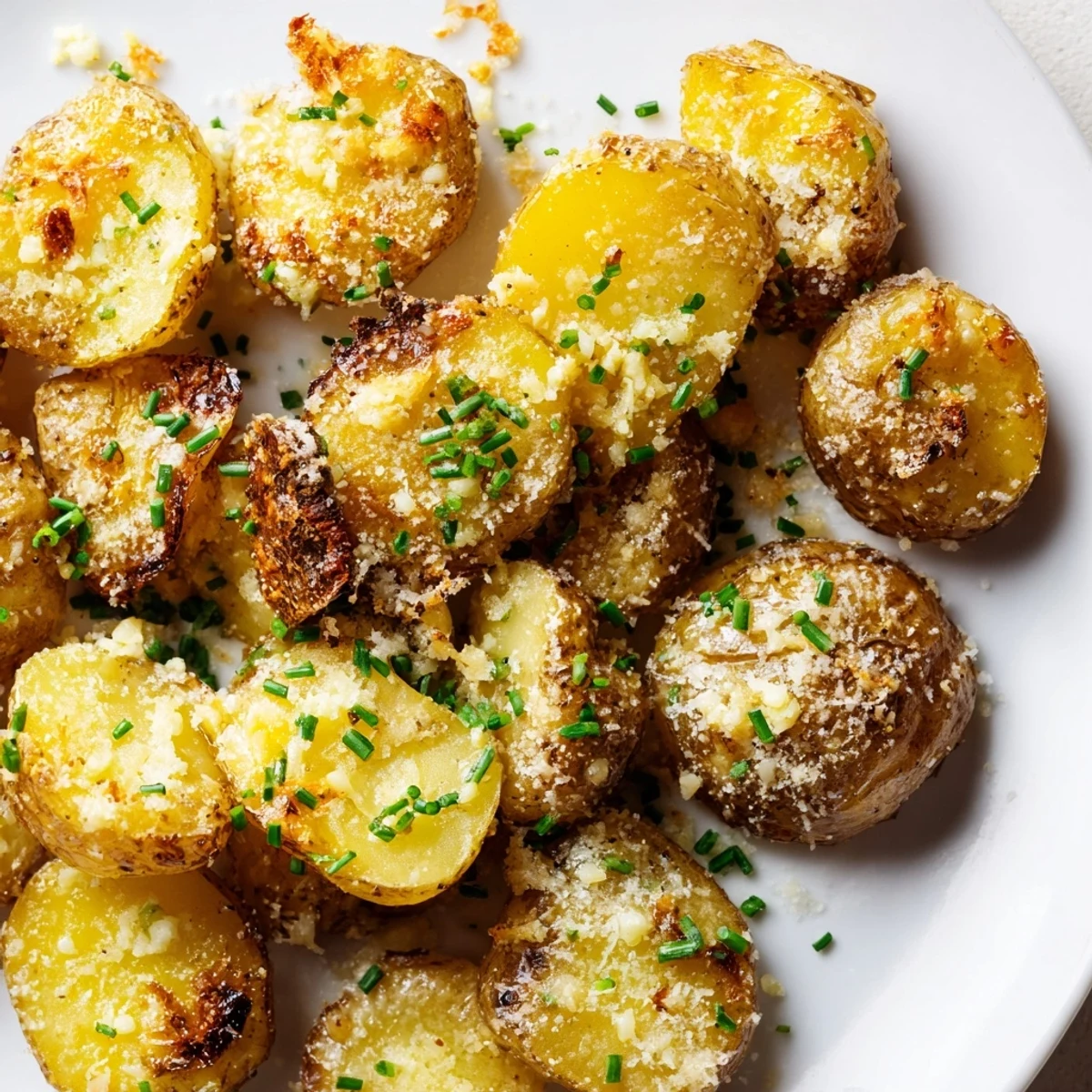
Save These smashed potatoes are cooked to tender perfection and lightly crushed before baking to achieve a crispy outside and fluffy inside. Tossed with minced garlic, olive oil, melted butter, and freshly grated Parmesan, they offer a rich, savory flavor enhanced with a sprinkle of fresh chives. Baking at a high temperature ensures a golden crust, and optional broiling adds extra crispiness. This dish pairs wonderfully with grilled meats or can stand alone as an indulgent vegetarian side.
My neighbor brought a casserole dish of these golden, crispy-edged potatoes to a dinner party last fall, and I watched them disappear faster than anything else on the table. When she finally shared the recipe, I realized the secret wasn't complicated—just really good potatoes, garlic sizzled in olive oil, and the courage to bake them until their edges turned dark and crunchy. Now I make them constantly, and they've become my go-to when I need something that feels both humble and special.
I once made these for a weeknight dinner when I was too tired to think, and my kid asked for seconds before finishing the first bite. That moment reminded me that sometimes the best food isn't about fancy technique—it's just good ingredients treated simply, the kind of dish that makes people happy without any fuss.
Ingredients
- Yukon Gold or red potatoes, 1.5 lbs: These varieties have naturally waxy skin and stay creamy inside, which means they won't turn gluey when you mash them.
- Olive oil, 3 tbsp: This carries the garlic flavor and helps the potatoes crisp up beautifully in the oven.
- Garlic, 3 cloves minced: Don't skip mincing finely—bigger pieces can burn while the potatoes are still cooking.
- Sea salt and black pepper: Season generously; potatoes absorb seasoning happily, so be confident here.
- Parmesan cheese, 1/2 cup freshly grated: Grate it fresh if you can; pre-shredded cheese has anti-caking agents that keep it from melting as smoothly.
- Unsalted butter, 2 tbsp melted: This goes on after baking, so it stays pure-tasting and adds richness without cooking off.
- Fresh chives, 3 tbsp chopped: These finish the dish with a subtle onion flavor and bright green color—parsley or dill work too if that's what you have.
Instructions
- Start with cold water:
- Cover your potatoes in a pot with cold water and a pinch of salt, then bring it all to a boil together. This helps them cook evenly from the inside out.
- Cook until they yield:
- Simmer for 15 to 20 minutes—you want a fork to slide through without resistance, but not so soft they're falling apart.
- Drain and cool slightly:
- Let them sit for about 5 minutes so they're easier to handle and won't stick to your hands.
- Flatten each one gently:
- Use the bottom of a glass or a potato masher to press them to about half an inch thick. Uneven thickness is fine; it actually creates more crispy edges.
- Mix your garlic oil:
- Combine olive oil, minced garlic, salt, and pepper in a small bowl, then drizzle it evenly over every potato so nothing gets left behind.
- Bake until golden:
- At 425°F, they'll take 20 to 25 minutes to turn crispy and golden brown—you'll smell the garlic toasting, which is your signal they're close to done.
- Add butter and cheese:
- Drizzle the melted butter on top, scatter the Parmesan over everything, and bake for another 3 to 5 minutes until the cheese melts and browns slightly.
- Finish with fresh chives:
- Sprinkle them on right when you take the potatoes out of the oven so they stay bright and don't cook down to nothing.
 Save
Save There's something about watching cheese bubble and brown in the oven that never gets old. My kitchen smelled incredible the first time I made these, and it reminded me why cooking for people matters—it's not really about the potatoes at all, it's about that moment when someone tastes something you've made and their face changes.
The Crispy Edge Secret
The real magic happens when you don't crowd the baking sheet. Give each potato some space so the bottom can contact the hot pan directly—that's what creates those crispy, golden edges everyone fights over. If you pack them in too tightly, they'll steam instead of roast, and you'll lose half the appeal.
Timing and Temperature
High heat is your friend here, but it also means you need to pay attention. Set a timer for the first bake so you don't accidentally let them sit too long—they should be golden, not burnt. I learned this by being a little too ambitious with the broiler once, and while the potatoes weren't ruined, they were darker than intended and taught me that checking them at the 20-minute mark prevents any guessing.
Making It Your Own
The beauty of this recipe is that it welcomes changes without falling apart. Swap in rosemary or thyme, add crispy bacon pieces, or dust with smoked paprika—whatever sounds good to you will probably taste amazing. These potatoes are a canvas, and your kitchen instincts are welcome here.
- If you want extra crispiness, broil them for 1 to 2 minutes after the Parmesan melts, but stay in the kitchen and watch closely.
- You can use parsley or dill instead of chives if that's what you have on hand.
- Serve them hot and fresh for the best texture; they're wonderful right out of the oven but less magical once they've cooled.
 Save
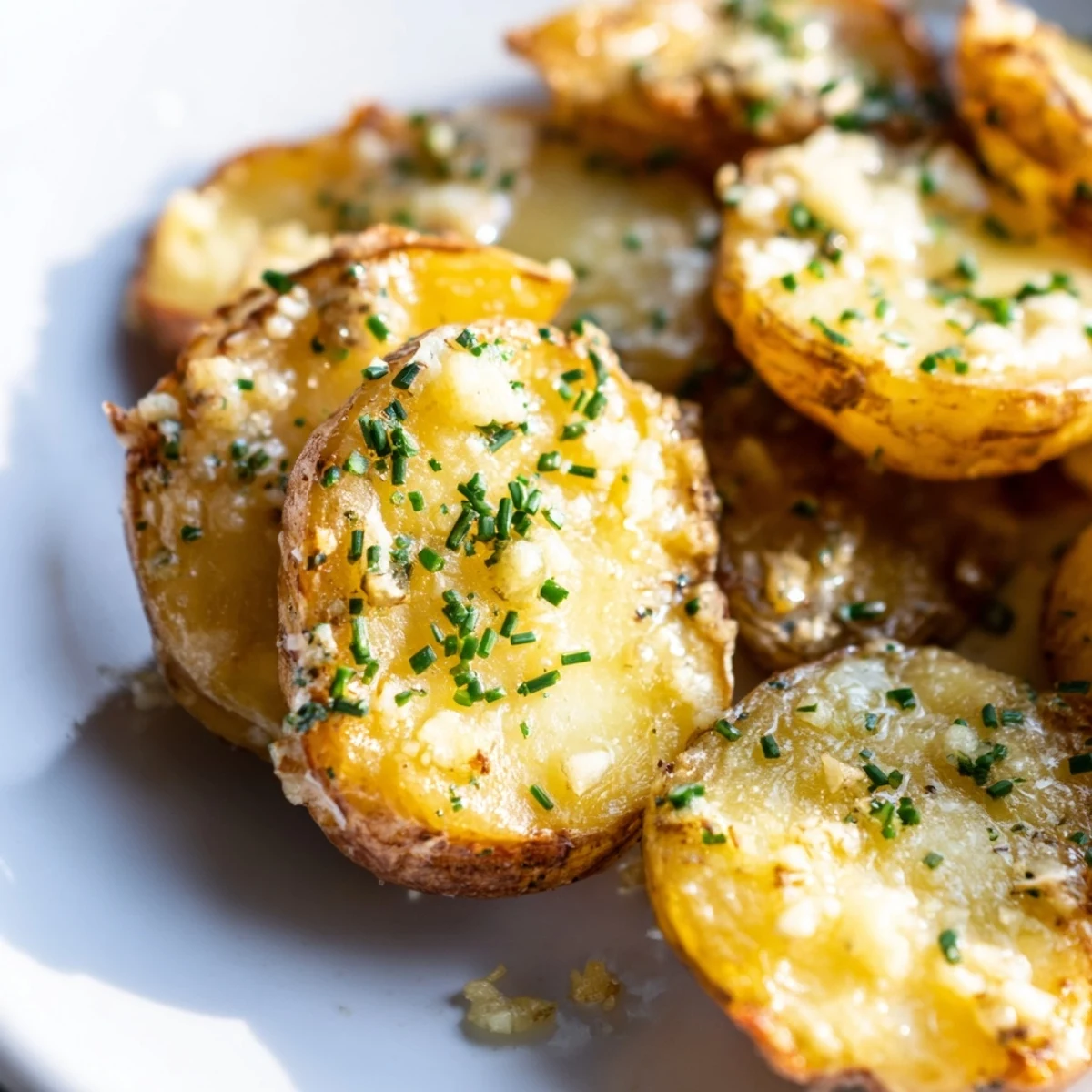
Save These potatoes have become the side dish I reach for when I want something that feels thoughtful but doesn't demand much effort. They're crispy, buttery, garlicky, and somehow always disappear first.
Recipe FAQs
- → What type of potatoes work best?
-
Baby Yukon Gold or red potatoes are ideal due to their creamy texture and ability to crisp well when smashed and baked.
- → How do I get the potatoes crispy?
-
After boiling until tender, smash them lightly, drizzle with olive oil and seasonings, then bake at 425°F until golden. Broiling briefly after adding cheese boosts crispiness.
- → Can I substitute Parmesan cheese?
-
Yes, similar hard cheeses like Asiago or Grana Padano can be used for a comparable nutty, savory flavor.
- → How long should potatoes be boiled?
-
Boil potatoes for about 15–20 minutes until they are fork-tender but still hold their shape for smashing.
- → What are some garnish alternatives to chives?
-
Fresh parsley or dill can be used as garnishes to provide a fresh herbal note that complements the rich flavors.
- → Is this dish suitable for gluten-free diets?
-
Yes, the ingredients used here are naturally gluten-free, but always double-check any packaged cheese for cross-contamination warnings.