 Save
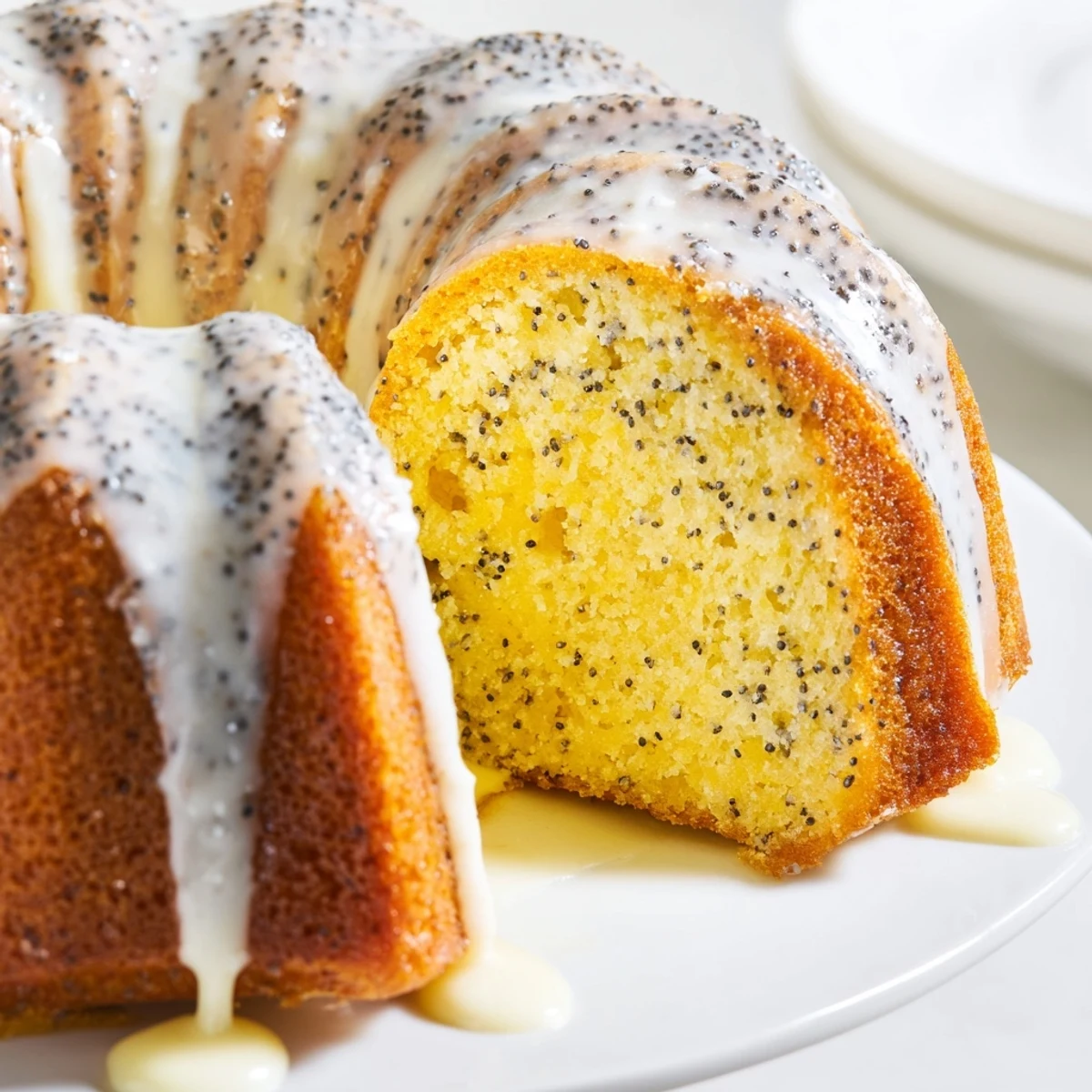
Save This elegant lemon poppy seed bundt cake combines bright citrus notes with delicate poppy seed texture. The cake is made by creaming butter and sugar until fluffy, then folding in eggs, fresh lemon zest and juice, alternating with a buttermilk mixture. Bake in a greased bundt pan at 350°F for 45–55 minutes until golden. The finishing touch is a simple glaze made from powdered sugar and fresh lemon juice drizzled over the cooled cake. Perfect for afternoon tea or special occasions.
The afternoon sunlight streamed through my kitchen window, catching the tiny black poppy seeds as I folded them into the lemony batter. I first discovered this Lemon Poppy Seed Bundt Cake recipe during a spring baking frenzy when life seemed to demand something bright and cheerful. The fragrance of fresh lemons filled the kitchen, instantly lifting my mood as the cake rose beautifully in the oven.
Last Easter, I brought this bundt cake to our family gathering, setting it down among the chaos of egg hunts and excited children. My usually stoic father-in-law took one bite and closed his eyes in appreciation, then quietly asked if I might make it for his birthday. In that moment, I realized how food bridges words when they fail us.
Ingredients
- Room temperature butter: I learned the hard way that truly room-temp butter creates that irreplaceable fluffy texture, so I now set mine out at least two hours before baking.
- Fresh lemon juice and zest: The oils in the zest contain even more flavor than the juice, so I always zest my lemons before juicing them.
- Poppy seeds: These tiny seeds add a delightful crunch and subtle nutty flavor that perfectly complements the brightness of lemon.
- Buttermilk: The slight tanginess works magic with the lemon and creates a tender crumb that practically melts in your mouth.
Instructions
- Prep your pan with care:
- Generously grease every nook and cranny of your bundt pan, then dust with flour, tapping out excess. This attention to detail will save you from the heartbreak of a stuck cake later.
- Cream until truly fluffy:
- Beat the butter and sugar until the mixture is noticeably lighter in both color and texture. You might be tempted to rush this step, but these full 3-4 minutes create the foundation for your cake.
- Add eggs patiently:
- Each egg needs time to fully incorporate before adding the next. Watch how the batter transforms, becoming silkier with each addition.
- Alternate wet and dry ingredients:
- Begin and end with your flour mixture, adding in three parts with buttermilk in between. This prevents overmixing and keeps your cake tender.
- Check for doneness carefully:
- Insert a toothpick into the thickest part of the cake, looking for a clean withdrawal or just a few moist crumbs. The cake continues cooking slightly as it cools.
- Cool strategically:
- The initial 15 minutes in the pan allows the cake to set up properly before unmolding. Place your cooling rack over the pan before flipping to minimize movement.
- Glaze with finesse:
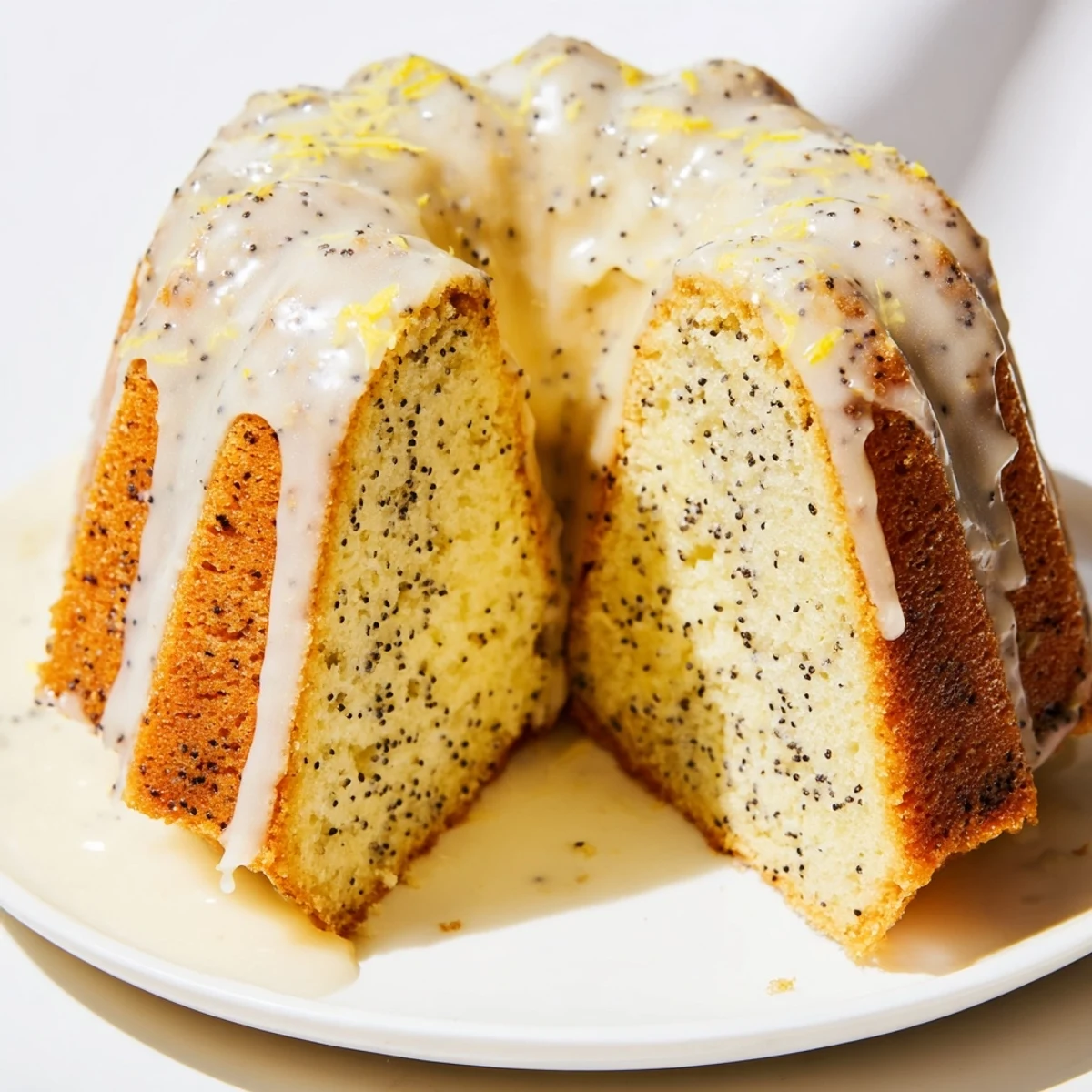
- Wait until the cake is completely cool before glazing, or it will soak in rather than create that attractive drizzle. Adjust the consistency by adding lemon juice a teaspoon at a time.
 Save
Save My daughter came home from college unexpectedly one weekend when I had just glazed this cake. We sat at the kitchen counter with forks, talking about her classes and new friends, somehow devouring half the bundt before we realized it. Now whenever she visits, I try to have one waiting, a sweet symbol that home remains constant even as life changes.
Storage and Serving Suggestions
This cake stays beautifully moist in an airtight container at room temperature for three days, though in my house it rarely lasts that long. The flavors actually intensify slightly overnight, making this an ideal make-ahead dessert when youre entertaining and want one less thing to worry about on the day.
Perfect Pairings
One snowy afternoon, I served slices of this cake alongside steaming cups of Earl Grey tea, and the bergamot notes in the tea danced perfectly with the lemon in the cake. For summer gatherings, try pairing with a chilled glass of Prosecco or even a scoop of raspberry sorbet for an elegant dessert that feels effortless.
Troubleshooting Your Bundt
After a disastrous stuck cake incident that led to tears, I developed a foolproof approach to bundt success. The key is patience at every stage from proper pan preparation to adequate cooling time before unmolding.
- If your cake stubbornly clings to the pan, try gently loosening the edges with a thin plastic spatula or knife, then place a damp, warm towel over the bottom of the pan for a few minutes.
- For a glaze that sets beautifully without being too thin or thick, start with less liquid and gradually add more until it ribbons smoothly from your spoon.
- Room temperature ingredients really do make a difference, so plan ahead and pull everything from the refrigerator at least an hour before baking.
 Save
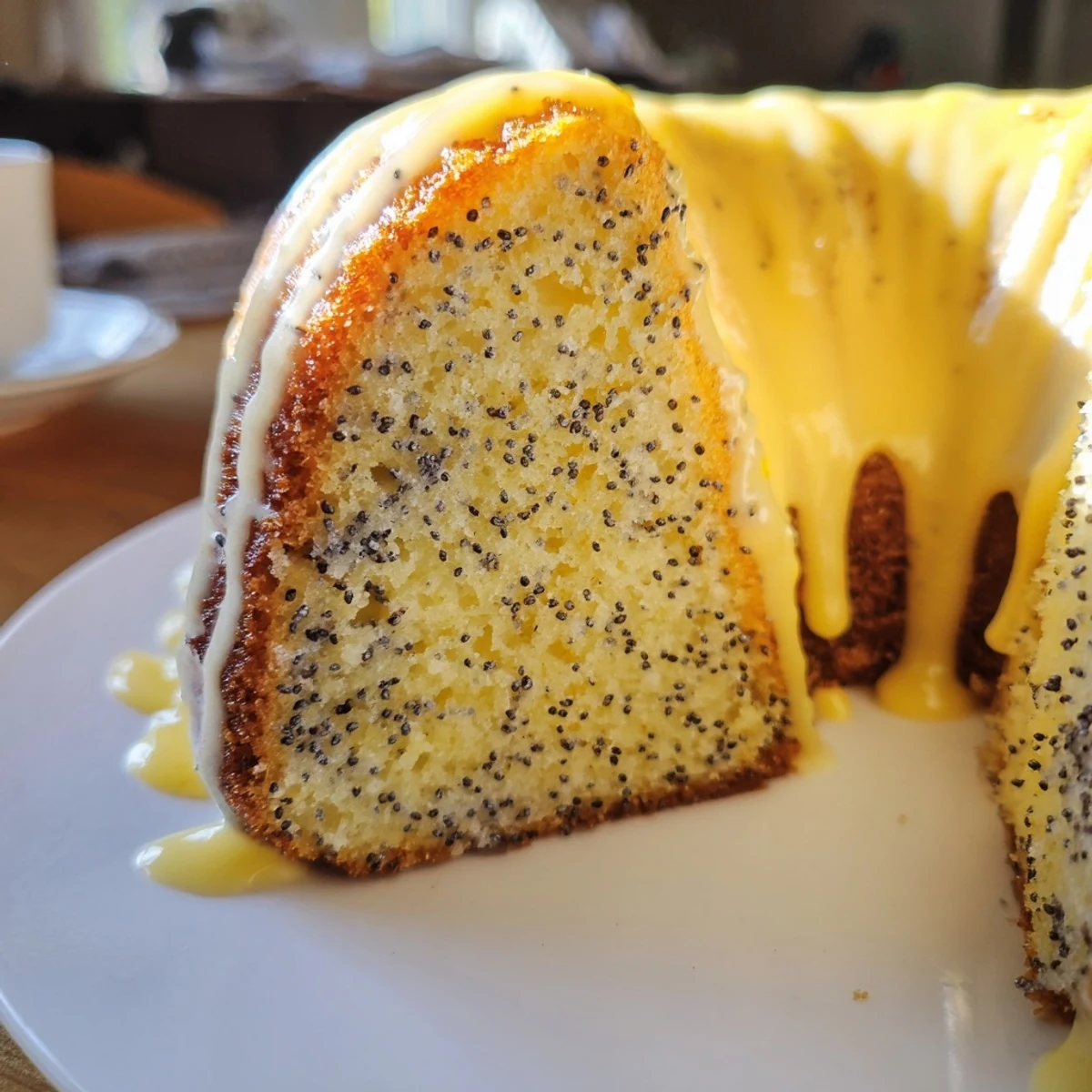
Save This lemon poppy seed bundt has become my signature bring-along dessert, requested for birthdays and celebrations by friends and family alike. Theres something deeply satisfying about watching peoples eyes light up with that first tangy-sweet bite, knowing that something made with care can create a moment of pure joy.
Recipe FAQs
- → Can I use bottled lemon juice instead of fresh?
-
Fresh lemon juice is recommended for the best flavor, as it provides a bright, natural tartness. Bottled juice can work in a pinch, though the taste may be slightly different. Use the same quantity as the fresh juice called for in the ingredients.
- → How do I prevent the cake from sticking to the bundt pan?
-
Generously grease the bundt pan with butter or cooking spray, then flour it thoroughly, making sure to coat all the ridges. Some bakers prefer using a baking spray designed for bundt pans for extra insurance. Cool the cake in the pan for 15 minutes before inverting to allow it to set slightly.
- → What's the best way to cool the cake completely?
-
After inverting the cake onto a wire rack, allow it to cool at room temperature for at least 2 hours before glazing. This ensures the cake is completely cool and the glaze will set properly without melting. You can speed this up slightly by placing the rack in a cooler room or near a fan.
- → Can I make this cake ahead of time?
-
Yes, the cake keeps well when stored in an airtight container at room temperature for up to 3 days. You can bake it the day before serving and glaze it on the day of. For longer storage, wrap it tightly and refrigerate for up to 5 days, or freeze for up to 2 months without the glaze.
- → How can I add more lemon flavor?
-
To intensify the lemon flavor, increase the lemon zest to 1.5 tablespoons or add an extra tablespoon to the batter as suggested in the notes. You can also add a few drops of lemon extract along with the vanilla, or increase the lemon juice in the glaze by an additional tablespoon for a tangier finish.
- → What can I substitute for buttermilk?
-
Plain yogurt or sour cream work well as buttermilk substitutes in equal quantities. Alternatively, make a quick buttermilk by adding 1 tablespoon of lemon juice or white vinegar to 1 cup of regular milk and letting it sit for 5 minutes before using. These alternatives maintain the tender crumb texture the cake requires.